Breakfast is a morning anchor. But when you're watching your iodine intake—whether because of a thyroid condition, preparation for radioactive iodine therapy, or a specific dietary protocol—that first meal can feel like a puzzle. Many breakfast staples are built on dairy, eggs, and enriched breads, all of which can be significant sources of iodine.
The goal isn't to eliminate iodine completely; it's to manage intake at a level that supports your current health needs. Eating a balanced, satisfying breakfast without relying on iodine-rich foods is entirely doable. It just requires a shift in perspective. Here are the strategies dietitians suggest for building a low-iodine breakfast that actually tastes good.
Why Breakfast Is Tricky on a Low-Iodine Diet
Iodine is a trace mineral that's essential for thyroid hormone production. It's found in a surprisingly wide range of common breakfast foods. The primary sources are:
- Dairy products: Milk, yogurt, and cheese contain iodine from cattle feed and disinfectants used in milking equipment. A single cup of milk can contain over 50 mcg of iodine.
- Eggs: The yolk is particularly high in iodine. One large egg can have around 25 mcg.
- Iodized salt: Most table salt in the US is iodized. Many processed breakfast items, from bread to breakfast sausages, use iodized salt.
- Cured and processed meats: Bacon and ham often contain iodine from both salt and additives.
- Certain grains: Commercial bread and baked goods frequently use iodized salt or dough conditioners that contain iodine.
“The key is to look at the whole day,” says registered dietitian nutritionist Melissa Mitri. “Breakfast itself doesn't have to be extremely low in iodine, but you need to be consistent across every meal.” This means even a moderate-iodine breakfast can be fine if lunch and dinner are carefully planned to be very low.
The Dietitian's Plate: Building a Low-Iodine Breakfast
Here's how to structure your morning meal without relying on dairy, eggs, or iodized salt.
1. Choose Unsalted and Unsweetened Grains
Grains are your foundation. The trick is finding ones that weren't made with iodized salt or enriched with certain additives.
- Oatmeal (rolled or steel-cut): Cook it with water (not milk) and a pinch of non-iodized sea salt or kosher salt. Add fresh fruit, unsalted nut butter, a drizzle of pure maple syrup, or a sprinkle of cinnamon.
- Cold cereals: Look for plain unsalted puffed rice, puffed millet, or shredded wheat. Check the ingredients—if “salt” is listed without specifying “non-iodized,” assume it may be iodized.
- Rice cakes and corn tortillas: Plain, unsalted rice cakes make a quick base. Corn tortillas can be warmed and topped with avocado, salsa, and black beans.
2. Load Up on Unsalted Nuts, Seeds, and Nut Butters
These provide healthy fats and protein without the iodine load of dairy or eggs. Almonds, walnuts, sunflower seeds, pumpkin seeds, and unsalted peanut butter are excellent. Spread them on a rice cake or stir them into oatmeal.
3. Prioritize Fresh Fruits and Vegetables
Fresh produce is naturally very low in iodine. This is your space to be generous.
- Whole fruits: Bananas, berries, apples, oranges, mangoes—any fresh fruit is a great choice.
- Vegetables: While some vegetables (like potatoes with the skin on and spinach) contain small amounts of iodine, they are generally fine in normal portions. Avoid seaweed-based ingredients (Kelp, nori, dulse) which are incredibly high in iodine.
- Avocado is your friend: A half avocado on a rice cake with salt-free seasoning is a filling, creamy option.
4. Explore Egg Whites (With Caution)
Whole eggs are off-limits because the yolk contains nearly all the iodine. Egg whites are very low in iodine, so they can be used in a scramble or an omelet. “Egg white omelets with vegetables and a little bit of salt-free seasoning can be a satisfying protein source,” Mitri says. Just be sure no yolk mixes in.
5. Cook with Non-Iodized Salt
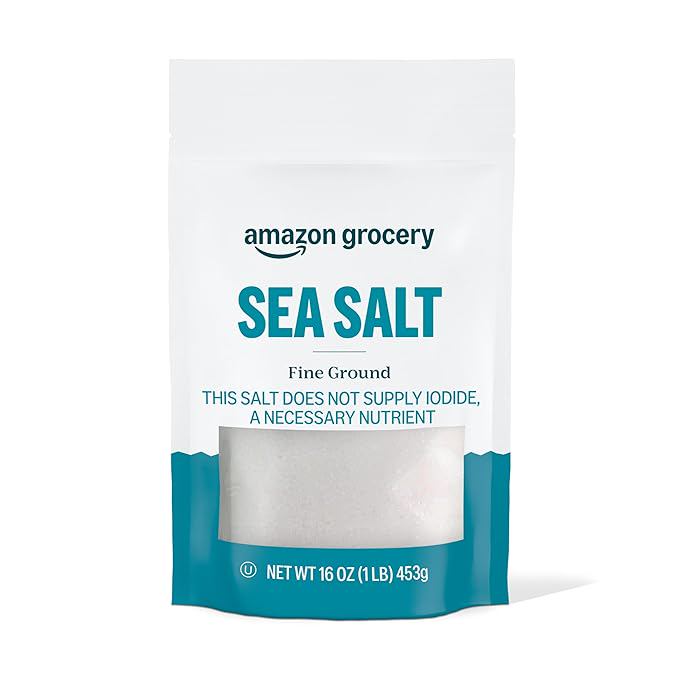
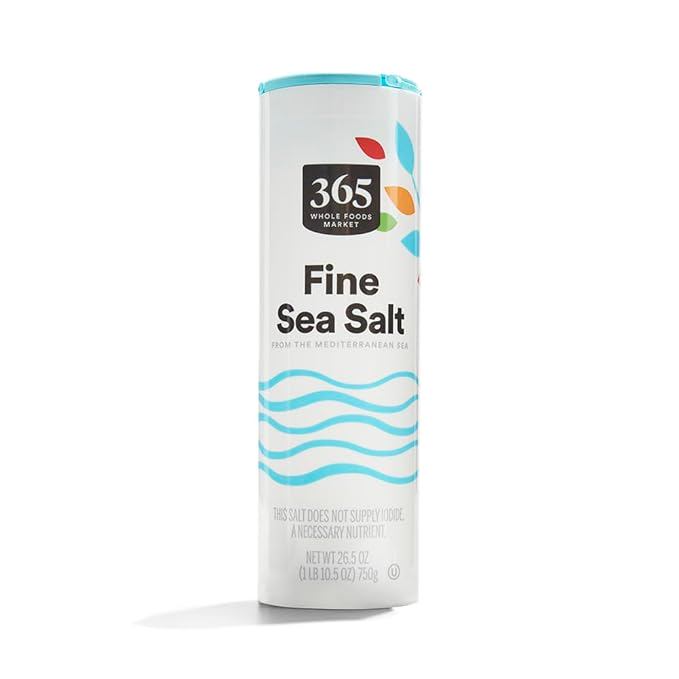
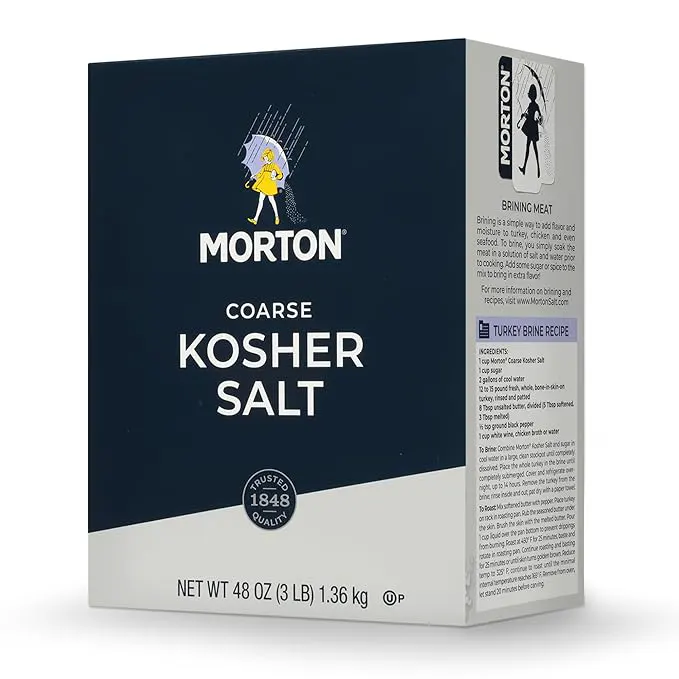
This is a simple but crucial swap. Replace your shaker of iodized table salt with a container of kosher salt, canning salt, or fine sea salt that explicitly states “not a source of iodine” or “no iodine added.”
Sample Low-Iodine Breakfast Ideas
Here are a few concrete combinations that follow the principles above.
- Sweet and savory oatmeal: Oatmeal cooked in water, topped with 1-2 tablespoons almond butter, a sliced banana, and a sprinkle of cinnamon. Use a pinch of non-iodized sea salt while cooking.
- Avocado rice cakes: 2 plain unsalted rice cakes, topped with half a mashed avocado, cumin, lime juice, and salt-free everything bagel seasoning.
- Egg white veggie scramble: Scrambled egg whites (from 2-3 eggs) with diced bell peppers, onions, and spinach. Cook in olive oil and season with black pepper and non-iodized salt.
- Fruit and nut bowl: A bowl of fresh mixed berries and sliced mango with a handful of unsalted walnuts and a drizzle of maple syrup.
- Corn tortilla breakfast tacos: Two warmed corn tortillas filled with refried black beans (canned, no added salt), diced avocado, chopped cilantro, and salsa.
What About Beverages?
Your morning drink matters too.
- Water is always the safest choice.
- Black coffee is generally very low in iodine, so it's fine. Be mindful of added creamers—dairy creamers are a source of iodine. Use plant-based milk like unsweetened almond milk, oat milk, or coconut milk.
- Tea (black, green, herbal) is also low. Avoid bubble tea or pre-made coffeehouse drinks.
- Juice: Fresh-squeezed or 100% juice without added preservatives is fine.
- Avoid milk, hot chocolate made with milk, and commercial smoothies that likely contain yogurt or milk.
The 3-Day Rule and Other Caveats
A low-iodine diet is typically short-term—often 1-2 weeks before a radioactive iodine scan or treatment. It's not a sustainable long-term eating pattern. “If you've been following a very strict low-iodine diet for more than two weeks, talk to your doctor or dietitian,” Mitri advises. “You risk iodine deficiency, which can cause thyroid issues of its own.”
Also be aware that many packaged foods, even those that seem simple, contain hidden iodine. Always read the ingredient label for “iodized salt,” “sodium alginate,” “red #3,” or “carrageenan.” Some of these are iodine-containing additives.
Quick Tip: When in doubt, stick with whole, single-ingredient foods. A fresh apple, a handful of unsalted almonds, and a glass of water will always be a safe low-iodine breakfast.
Starting your day on a low-iodine plan doesn't mean eating bland, boring meals. With a little creativity and the right ingredients, you can enjoy a hearty, flavorful breakfast that respects your dietary boundaries. Focus on fresh produce, unsalted grains, healthy fats, and the simple swap of non-iodized salt. Your morning meal can still feel like an anchor—just one built on different nutritional ground.