If you’ve found yourself standing in a room and forgetting why you walked in, or struggling to find the word for something you’ve said a thousand times, you’re not imagining it. Brain fog during perimenopause and menopause is a well-documented symptom, and the culprit is often a drop in estrogen. That shift isn’t just about hot flashes or disrupted sleep—it changes multiple systems, including how your brain uses energy and processes information. The upside? Certain foods can help stabilize your mental clarity, and we asked dietitians what they actually recommend.
What happens to your brain when estrogen drops
Estrogen is not only a reproductive hormone; it's a powerful neuroprotectant that influences blood flow to the brain, the production of neurotransmitters like serotonin and acetylcholine, and the maintenance of mitochondria in brain cells. When levels decline, especially during perimenopause and menopause, many women experience what clinicians call “brain fog”: short-term memory lapses, difficulty concentrating, slower recall, and a general sense of cognitive fuzziness. The research is still emerging, but we know that a decline in estrogen can reduce glucose metabolism in key brain regions, making it harder for your brain to fuel itself efficiently.
“Estrogen helps your brain use glucose as fuel. When it drops, your brain’s energy supply can become less stable. That’s why women often feel mentally sluggish mid-day, even after a good night’s sleep.” — Abby K. Greene, RDN, functional dietitian
Foods that target brain fog linked to low estrogen
The most effective dietary strategies focus on two things: providing alternative fuel sources for the brain and supporting the pathways estrogen used to manage. Forget any one-size-fits-all “brain diet” — instead, think of it as adding specific types of foods that fit your current biology.
Healthy fats and omega-3s
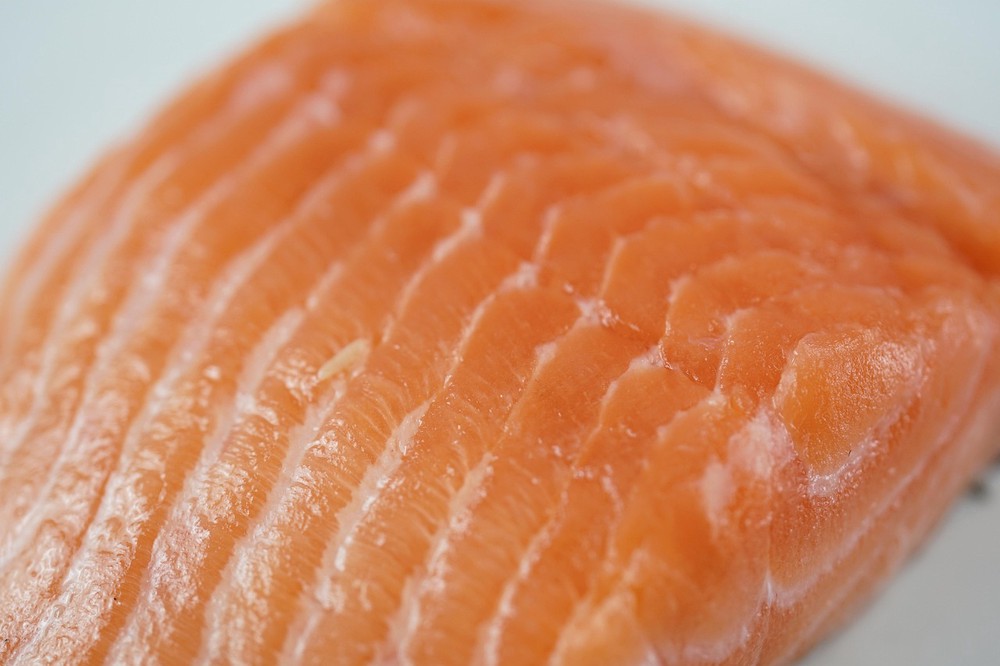
Brain cell membranes are made primarily of fat, and omega-3 fatty acids are especially abundant in the hippocampus, the center of memory and learning. When estrogen levels drop, the brain becomes more vulnerable to inflammation, and omega-3s help calm that inflammatory response. Dietitians recommend eating fatty fish like salmon, mackerel, or sardines two to three times a week, or adding ground flaxseed, chia seeds, and walnuts for plant-based ALA. If you use a fish oil supplement, choose one that lists both DHA and EPA content—DHA is especially important for cognitive function.
Fatty fish, avocado, and olive oil
Beyond omega-3s, monounsaturated fats from avocado, olives, and extra-virgin olive oil help insulin sensitivity and may improve blood flow to the brain. One small study found that the Mediterranean diet, rich in these fats, reduced subjective cognitive complaints in postmenopausal women over 18 months. A simple switch: swap butter or margarine for extra-virgin olive oil when cooking vegetables, and add half an avocado to your lunch salad. Small changes add up.
Protein to stabilize glucose and neurotransmitters
Your brain needs a steady supply of amino acids to make dopamine and serotonin, which affect focus and mood. Estrogen helps modulate these systems, so when it falls, eating high-quality protein at each meal becomes more important. Dietitians suggest aiming for about 20 to 30 grams of protein per meal—think eggs, Greek yogurt, lean poultry, or plant-based options like lentils and tofu. Protein also slows down how quickly sugar enters your bloodstream, preventing the crashes that leave you feeling hazy mid-afternoon.
Complex carbohydrates and fiber
Low estrogen makes blood sugar regulation trickier. Rapid spikes and dips in glucose can cause immediate brain fatigue. Complex carbs (such as oats, quinoa, beans, sweet potatoes) release glucose slowly, giving your brain a steady fuel supply without the crash. Fiber also feeds gut bacteria that produce short-chain fatty acids, which support the gut-brain axis. A 2022 review in Menopause linked higher fiber intake with fewer reports of cognitive fog among middle-aged women.
Phytoestrogen-rich foods
Some plant foods contain compounds that weakly mimic estrogen in the body. Foods like soy (tofu, edamame, and tempeh), flaxseeds, and sesame seeds contain lignans or isoflavones that may moderately ease menopausal symptoms, including cognitive complaints. The evidence is mixed, but several longitudinal studies suggest regular soy intake is safe and may help some women reduce perceived brain fog. To get a meaningful dose, try adding ½ cup of edamame or 1 tablespoon of ground flaxseed to your daily routine.
Foods to limit when brain fog strikes
While no food needs to be completely eliminated, some things make symptoms noticeably worse for many women. Refined sugars and high-fructose corn syrup destabilize blood glucose and trigger inflammatory cytokines. Caffeine can be a double-edged sword: a small amount may improve alertness, and too much can increase cortisol and worsen memory retrieval. Alcohol, especially in the evening, fragments sleep and interferes with the REM cycle that’s critical for cognitive repair. Many dietitians advise a simple rule: if it makes you feel jittery or cloudy within 30 minutes of eating it, try cutting back for two weeks and see if your clarity improves.
“I see women reduce brain fog by simply eating dinner earlier and stopping all food two to three hours before bed. That alone can improve morning mental sharpness.” — Maya S. Patel, RDN, menopause nutrition specialist
Sample daily eating pattern for mental clarity
You don’t need to change everything at once, but here is what a brain-supporting day could look like, according to dietitian recommendations:
- Breakfast: Greek yogurt (protein) topped with ground flaxseed (fiber and omega-3s) and a few walnuts (ALA) plus blueberries
- Lunch: Mixed greens with grilled salmon (DHA), avocado (monounsaturated fat), and a handful of chickpeas (fiber + steady glucose)
- Snack: Celery with almond butter (protein + fat) and a small apple
- Dinner: Tofu stir-fry (phytoestrogens) with broccoli, bell peppers, and quinoa (complex carbs)
Hydration is also essential: even mild dehydration can mimic brain fog. Aim for 8 cups of water or unsweetened herbal tea across the day.
What science says about supplements
Whole foods come first, but some dietitians mention targeted supplements for women who may not get enough nutrients from diet alone. Creatine (3–5 g per day) shows preliminary promise for cognitive function in postmenopausal women. Vitamin B12 and magnesium are also commonly low in this age group and play direct roles in nerve function and energy production. However, no supplement can replace the pattern of balanced meals, adequate sleep, and stress management. Always check with a healthcare provider before starting any new supplement, particularly for interactions with medications.
Brain fog during menopause can feel disorienting, but it's not a sign that you're losing your edge—it’s a sign that your brain is adapting to a new hormonal environment. By focusing on fats that fuel your neurons, protein that stabilizes your mood and glucose, and fiber that feeds your gut, you give your brain the support it needs to stay sharp. No single food is a magic cure, but a consistent, hormone-aware eating pattern can make a real difference in how clear and capable you feel each day.