
When hormones shift—whether during perimenopause, menopause, or other transitional phases—many people notice a frustrating brain fog. The ability to concentrate can waver, memory may feel less sharp, and simple tasks might take more effort. While several nutrients support cognitive function, calcium plays an often-overlooked role in nerve signaling and neurotransmitter release. Starting the day with a calcium-rich breakfast can help steady that connection between body and mind.
The good news is that getting more calcium at breakfast doesn't require a glass of milk if that's not your style. These five breakfast ideas are built around whole foods that naturally deliver calcium, so you can support your focus through the morning hours—without overhauling your entire diet.
Why calcium matters for focus during hormonal changes
Calcium isn't just for bones. This mineral is essential for proper nerve transmission and muscle function. When estrogen levels decline, calcium absorption can become less efficient, and the body may pull calcium from bones to maintain blood levels. This shift can affect brain function, because neurons rely on calcium ions to communicate. A morning meal that provides a solid calcium hit may help maintain the steady signaling your brain needs for clear thinking.
Aim for 100–250 mg of calcium per breakfast serving—this can come from dairy, fortified plant milks, leafy greens, or seeds.
1. Sesame seed and kale scramble
A classic scrambled egg dish gets a calcium boost from two unsung heroes: kale and sesame seeds. One cup of cooked kale offers around 180 mg of calcium, while a tablespoon of sesame seeds adds about 88 mg. Sauté chopped kale in a little olive oil until wilted, then pour in beaten eggs (or tofu for a plant-based version). Sprinkle sesame seeds over the top just before serving. Pair with a slice of whole-grain toast for added fiber and B vitamins, which also support energy and focus.
If you tolerate dairy, a sprinkle of shredded Parmesan (about 30 mg per tablespoon) can push the calcium content even higher without overpowering the dish.
2. Fortified oat bowl with almond milk and figs
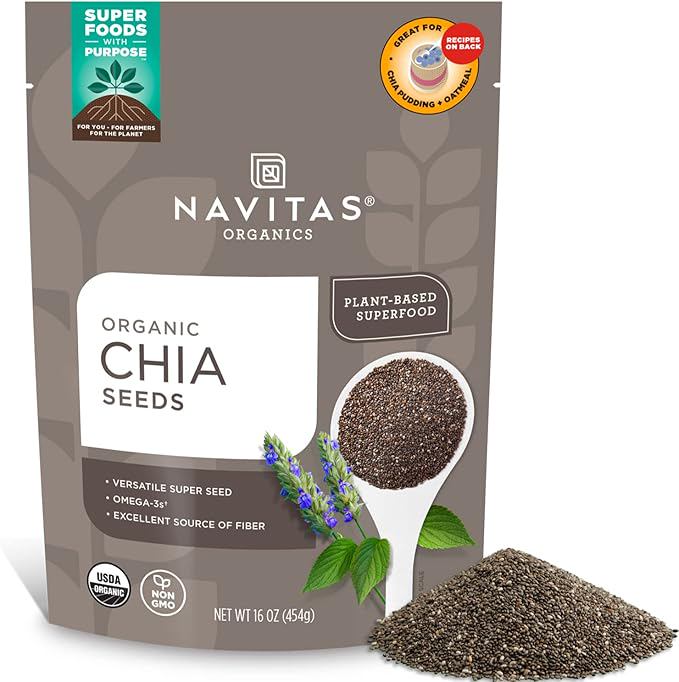
Oatmeal is a blank canvas for calcium. Cook your oats with fortified almond milk—many unsweetened varieties provide 300–450 mg per cup. Stir in a tablespoon of chia seeds (about 60 mg) and top with a few dried figs (around 50 mg per fig). The combination of complex carbohydrates from oats and healthy fats from chia seeds helps sustain blood sugar levels, which is key for maintaining focus throughout the morning.
For a touch of sweetness without a sugar crash, mash half a banana into the oatmeal as it cooks. Bananas also provide potassium, another electrolyte that supports nerve function.
3. Greek yogurt parfait with sunflower seeds and berries
A single serving of plain Greek yogurt (around 200 grams) contains roughly 200 mg of calcium. Layer it with a handful of fresh or frozen blueberries and a tablespoon of sunflower seeds (about 20 mg calcium). The protein in yogurt helps stabilize blood sugar, while the antioxidants in berries support brain health. Sunflower seeds add vitamin E, which may help protect nerve cells from oxidative stress.
If you prefer a dairy-free option, choose a fortified coconut or soy yogurt with a similar calcium content. Read labels to ensure the product is fortified—not all plant-based yogurts are.
4. Sardine and avocado toast on fortified bread
Sardines may not be the first breakfast food that comes to mind, but they are a calcium powerhouse. A 75-gram tin of sardines packed in oil (with bones) delivers about 350 mg of calcium. Mash the sardines with half a ripe avocado and spread over a slice of calcium-fortified whole-grain bread (check the label; some brands add 100–200 mg per slice). The healthy fats from avocado support brain cell membrane health, and the protein from sardines provides steady energy.
If the flavor of sardines feels too bold in the morning, try them on a bed of fresh spinach leaves and drizzle with lemon juice. Spinach adds another 30 mg of calcium per cup, plus iron to support oxygen transport to the brain.
5. Calcium-fortified smoothie with greens and orange
For mornings when you need something quick, a smoothie can deliver a concentrated calcium dose. Blend 1 cup of calcium-fortified plant milk (300–450 mg), a handful of fresh spinach (about 30 mg), one small orange (about 60 mg), and half a banana. Add a tablespoon of almond butter (around 40 mg) for creaminess and healthy fats. The vitamin C from orange helps improve calcium absorption, while the banana provides natural sweetness and potassium.
For an extra calcium boost, stir in a tablespoon of chia seeds or flaxseeds. This smoothie travels well in a thermos if you need to eat on the go.
Practical tips for building a calcium-focused breakfast routine
- Pair calcium with vitamin D. Vitamin D helps your body absorb calcium. A short morning walk or a serving of fortified foods (like the plant milks mentioned above) can make a difference.
- Spread calcium intake across the day. The body absorbs calcium more efficiently in amounts of 500 mg or less at a time. Breakfast is a great start, but aim for two to three calcium-rich servings daily.
- Watch for calcium blockers. High amounts of caffeine, excess sodium, and phosphate-rich sodas can interfere with calcium absorption. If you enjoy coffee with breakfast, keep it to one cup.
- Consider whole food sources first. While supplements exist, getting calcium from food means you also receive complementary nutrients like magnesium, potassium, and vitamin K that support bone and brain health.
These five breakfasts offer a practical way to support mental clarity during periods of hormonal change. By choosing foods that naturally deliver calcium—and pairing them with other focus-friendly nutrients—you can build a morning routine that works with your body, not against it. As always, consult with a healthcare provider for personalized advice regarding your individual nutritional needs.