
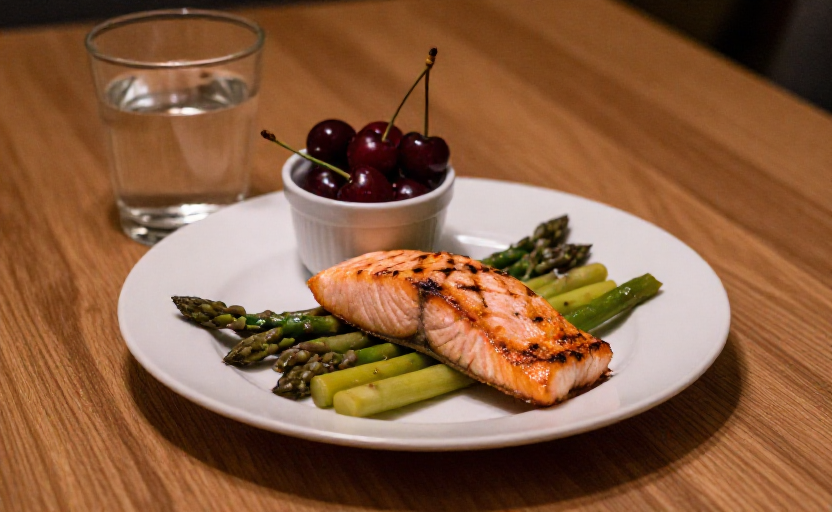
If you have sleep apnea, you know that a good night's rest can feel like an impossible goal. The standard treatment—a CPAP machine—is the cornerstone of managing the condition, but what you put on your plate matters more than you might think. While no food can replace medical treatment, research shows that strategic dietary choices can reduce inflammation, support healthy airway muscles, and improve sleep quality. The goal isn't a magic cure; it's about creating the best possible internal environment for restorative sleep.
How your diet affects sleep apnea
Sleep apnea occurs when the muscles in your throat relax too much during sleep, blocking your airway. Your diet influences this process in three key ways. First, body weight is a major factor; excess weight, especially around the neck, can put physical pressure on your airway. Second, inflammation from certain foods can make the tissues in your throat and nasal passages more swollen, narrowing the airway further. Finally, night time acid reflux—often triggered by what you eat—can irritate your throat and disrupt sleep.
Anti-inflammatory foods that support the airway
Chronic inflammation is a silent contributor to sleep apnea severity. A diet rich in anti-inflammatory compounds can help reduce swelling in the airway tissues. Think of it as creating a less hostile environment for your breathing passages.
Fatty fish like salmon, mackerel, and sardines are excellent sources of omega-3 fatty acids (EPA and DHA), which are potent inflammation fighters. Aim for two servings per week. Leafy greens such as spinach, kale, and Swiss chard provide magnesium—a mineral many people with sleep apnea are deficient in. Magnesium helps relax muscles, including those in the throat, and may improve sleep quality. Berries (blueberries, strawberries, raspberries) are loaded with antioxidants that combat oxidative stress, which is often elevated in people with sleep disordered breathing.
A simple evening snack: a handful of cherries (natural melatonin source) with a small handful of walnuts. Both support sleep hormone regulation in a gentle way.
Foods to limit or avoid before bed
What you don't eat can be just as important as what you do. The following items can directly worsen sleep apnea symptoms, especially if consumed within three hours of bedtime.
- Heavy, fatty meals: High-fat foods, particularly fried items and fatty cuts of meat, slow digestion and increase the risk of acid reflux. At night, this can trigger throat irritation and coughing, fragmenting your sleep.
- Alcohol: Alcohol relaxes the muscles in your throat even more than natural sleep does, making airway collapse more likely. It also can suppress your brain's arousal response to apnea events, meaning you may stop breathing for longer periods. Even one drink before bed can worsen your AHI (Apnea-Hypopnea Index) score.
- Dairy for some: Milk, cheese, and ice cream can increase mucus production for some individuals. If you wake up feeling congested or with a phlegmy throat, try cutting out dairy at dinner for a week and see if it helps.
- Sugar and refined carbs: Cookies, pastries, white bread, and sugary drinks spike blood sugar and increase systemic inflammation. They also contribute to weight gain over the long term, which directly worsens sleep apnea.
Smaller plate, lighter load at night
Portion size matters, especially at dinner. Eating a very large meal close to bedtime taxes your digestive system and keeps your body from fully entering rest-and-digest mode. A full stomach can also push against your diaphragm, making it harder for your lungs to expand fully. Try to finish your last real meal at least three hours before you plan to sleep. If you need a small snack closer to bed, keep it under 200 calories.
Hydration and sleep apnea
Dehydration thickens mucus, which can make breathing more difficult and snoring worse. On the flip side, drinking too much water right before bed means middle-of-the-night bathroom trips. The sweet spot is consistent hydration throughout the day. Stop drinking fluids about 90 minutes before bedtime. A small sip of water is fine; guzzling a full glass is not. For many people with sleep apnea, a dry mouth from CPAP therapy is a real problem; consider a humidifier on your CPAP rather than reaching for water during the night.
Sample evening meal ideas
These combinations are designed to be light, anti-inflammatory, and supportive of sleep:
- Grilled salmon with roasted asparagus and a side of quinoa
- Turkey and avocado lettuce wraps (skip the bread) with a small side of berries
- A large mixed-green salad with grilled chicken, olive oil vinaigrette, and a sprinkle of pumpkin seeds
- Vegetable stir-fry with tofu (or shrimp) and brown rice, using ginger and turmeric as spices
The role of weight management
It's impossible to talk about diet and sleep apnea without acknowledging body weight. If you are overweight, even a 10% reduction in body weight can significantly reduce the severity of sleep apnea. This doesn't mean crash dieting or extreme restriction. Slow, steady weight loss through a balanced, whole-foods diet is sustainable and effective. Focus on adding nutrient-dense foods first, then naturally the less healthy foods will take up less space on your plate. The Mediterranean diet has good evidence for both general health and for reducing sleep apnea severity.
What about caffeine?
Most people know caffeine disrupts sleep, but with sleep apnea, there is an extra layer to consider. Caffeine is a diuretic, which can dehydrate you. It also stimulates the nervous system, potentially making it harder to fall asleep and stay asleep. If you have sleep apnea, try to stop consuming caffeine by noon or early afternoon. Even a 4 PM coffee can linger in your system enough to affect early-night sleep structure.
When to check with your doctor
Dietary changes are not a substitute for your CPAP, oral appliance, or other prescribed therapies. If you are struggling to tolerate your treatment, or if you suspect your diet is making your symptoms worse, talk to your sleep specialist or a registered dietitian who understands sleep disordered breathing. They can help you fine-tune your eating habits while keeping your medical needs front and center.
Building a sleep-friendly diet doesn't happen overnight. Start with one small change—maybe swapping a bedtime snack for a handful of cherries, or moving your dinner one hour earlier. Over weeks and months, these shifts add up to real improvements in how you feel during the day and how you sleep at night.