
You've turned off the screens, dimmed the lights, and crawled into bed on time. Yet, after an hour of staring at the ceiling, you find yourself wandering into the kitchen. A small snack feels like the answer—something to quiet your growling stomach and finally drift off. But what if that snack is the very thing keeping you awake?
There is one specific mistake people make with late-night eating that can transform a mildly restless night into a full-blown cycle of sleep deprivation. It’s not about eating before bed in general—it’s about what you eat and, more critically, what that food does to your body’s internal clock. Understanding this single misstep can break the frustrating loop of poor sleep and low energy.
The Mistake: Choosing Foods That Spike Your Blood Sugar
The primary culprit is consuming high-glycemic, sugary, or refined-carbohydrate snacks right before sleep. This includes obvious choices like cookies, ice cream, or a bowl of sugary cereal, but also sneaky options like a piece of white bread with jam, a granola bar, or even a glass of fruit juice. When you eat these types of foods, your blood sugar rises rapidly. In response, your pancreas releases a surge of insulin to bring that sugar down. For many people, this sharp drop can trigger the release of stress hormones like cortisol and adrenaline, which are designed to wake you up and stabilize your blood sugar.
A rapid crash in blood sugar can rouse you from deep sleep, often making you feel anxious, hot, or suddenly wide awake.
How This Deepens Sleep Deprivation
This isn’t just about a single bad night. The cycle works like this: poor sleep makes you more likely to crave quick-energy, sugary foods the next day. You eat more sugar during the day, which disrupts your next night’s sleep, leading to more cravings. This is how a simple snack mistake becomes a feedback loop of chronic sleep deprivation.
The Disruption to Deep & REM Sleep
Your body needs stable blood sugar to enter and maintain the restorative stages of sleep: deep sleep and REM sleep. When your glucose levels are roller-coastering during the first few hours after you fall asleep, your brain is partially alert, managing this metabolic stress. You may not fully wake up, but you won’t get the restful, uninterrupted sleep your brain and body require to repair and consolidate memories. Over time, this leads to daytime fatigue, brain fog, and a weakened immune system.
The Reactive Hypoglycemia Effect
For those particularly sensitive to sugar, the late-night snack can trigger reactive hypoglycemia—a blood sugar crash that occurs a few hours after eating. This often happens around 2:00 or 3:00 AM, causing you to wake up suddenly, possibly with a racing heart or feeling shaky. You might then reach for another quick snack to feel better, perpetuating the cycle.
What to Eat Instead for Restful Sleep
The goal of a late-night snack is not to fuel your body for activity, but to provide subtle, stable support for your sleep cycle. The ideal snack is small, balanced, and contains a combination of lean protein and a complex, fiber-rich carbohydrate. This combination slows digestion and prevents blood sugar spikes and crashes.
- A small banana with a thin spread of unsweetened almond butter.
- A few whole-grain crackers with a slice of turkey or a small piece of cheese.
- A small bowl of plain Greek yogurt with a few berries.
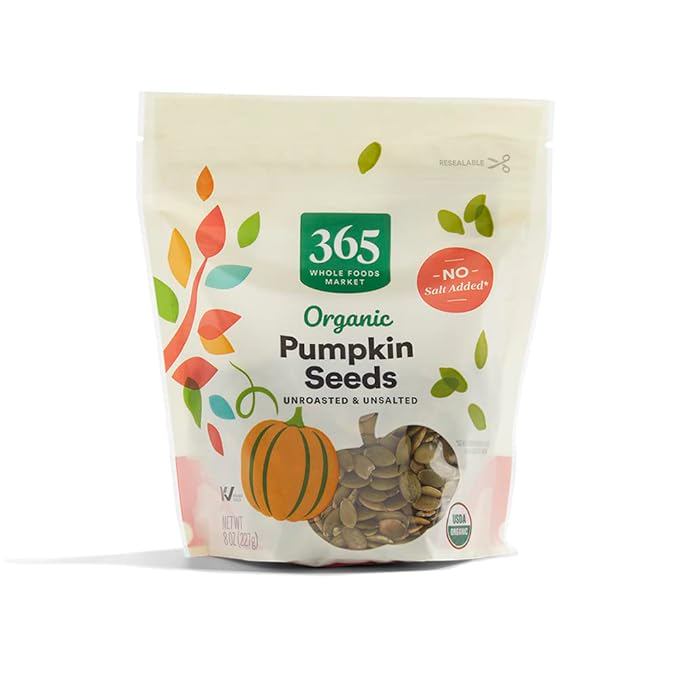
- A handful of pumpkin seeds or a few walnuts.
These choices provide tryptophan (an amino acid that helps produce sleep-regulating melatonin) and magnesium, both of which support relaxation. Keep the portion very small—roughly 150–200 calories maximum.
Practical Tips to Break the Cycle
Beating the sugar-driven sleep deprivation loop requires a small shift in habits. Here are three concrete strategies to implement starting tonight.
- Set a two-hour cut-off. Try to finish your last food intake (including that snack) at least two hours before your head hits the pillow. This gives your digestive system time to settle into a resting state.
- Choose water first. Sometimes, what feels like hunger is actually mild dehydration. Drink a small glass of water and wait ten minutes before deciding if you truly need a snack.
- Prepare in advance. If you know you’ll want a snack before bed, portion it out earlier in the evening. Do not bring the whole container of ice cream or bag of chips into the bedroom or living room. Having a pre-portioned, sleep-safe snack ready removes the decision-making which is impaired when you are tired.
Your sleep environment isn't just about darkness and temperature—what you eat in the final hours of your day plays a vital role in how deep and restorative your night will be.
Breaking the habit of sugary late-night snacking can be difficult because the cravings are biological, not just behavioral. However, by recognizing that this one mistake—choosing a high-sugar food before bed—can actively deepen your sleep deprivation, you can make a conscious shift. A small, protein-rich snack can make the difference between a fragmented night of wakefulness and a solid, deep sleep that leaves you feeling restored the next morning.