
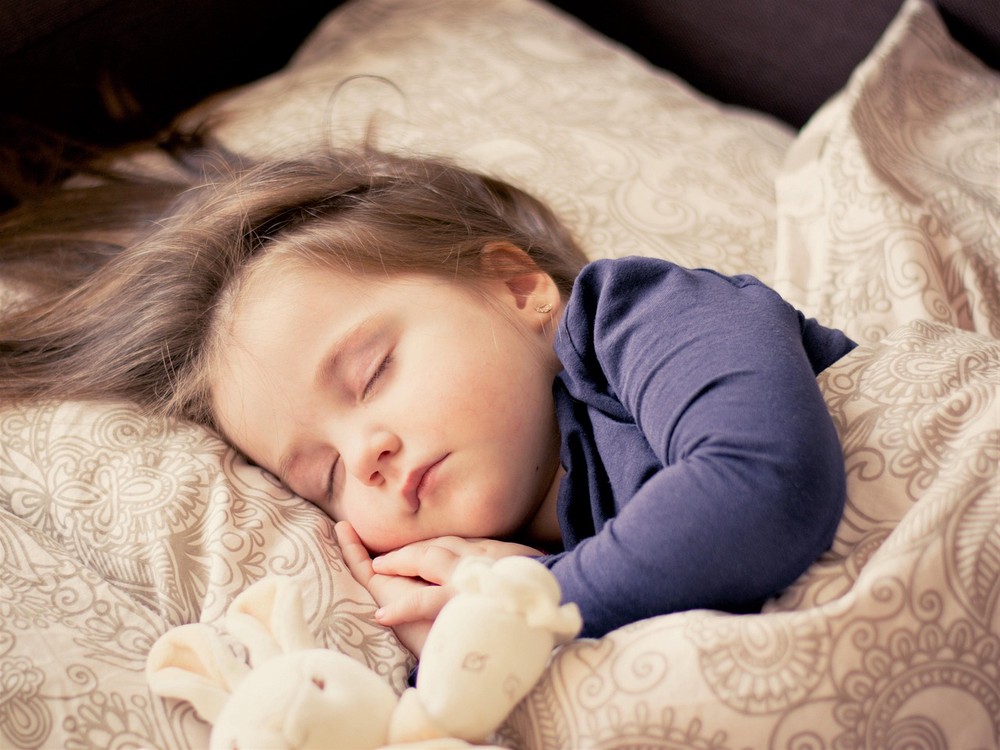
You’ve been there: It’s the afternoon after a rough night, your eyelids feel like sandpaper, and you’d do almost anything for a quick jolt of energy. Reaching for a familiar pick-me-up is almost instinctive. But when you’re running on a serious sleep deficit, not all drinks are created equal. Some can actually backfire, making your fatigue worse or setting you up for another night of restless tossing.
If you’re already sleep-deprived, your body is in a delicate state. Your hormones are off, your cognitive function is slowed, and your nervous system is on edge. The wrong beverage can disrupt what little natural balance you have left, prolonging the fog. Here are the two specific drinks you should steer clear of—and smarter swaps to help you make it through the day.
1. Energy Drinks
Energy drinks might seem like the obvious answer to exhaustion, but they’re a trap. These cans are loaded with caffeine—often far more than a standard cup of coffee—plus sugar, taurine, and other stimulants. When you’re sleep-deprived, your brain is already flooded with adenosine (the chemical that makes you feel tired). Caffeine works by blocking adenosine receptors, which is why you feel more alert temporarily.
The problem? Energy drinks deliver that caffeine hit all at once, along with a massive sugar spike. You get a sharp peak in energy, followed by a steep crash a few hours later. That crash can leave you feeling more depleted than before. Additionally, the combination of high caffeine and other stimulants can ramp up your heart rate and increase anxiety—two things you don’t need when your body is already stressed from lack of sleep. You might also find it harder to fall asleep later, creating a vicious cycle.
2. High-Caffeine Coffee on an Empty Stomach
This one is tricky because coffee is often considered a morning staple. But when you’re severely sleep-deprived, drinking strong coffee first thing on an empty stomach can worsen your situation. Sleep deprivation elevates cortisol levels (your primary stress hormone). Adding a large dose of caffeine too quickly can cause an even greater cortisol surge, leading to jitteriness, irritability, and a sense of being “wired but tired.”
Coffee also has a diuretic effect, and if you’re already dehydrated from a poor night’s sleep, this can increase headaches and fatigue. The jolt of energy from coffee is real, but it’s short-lived. Once it wears off, you may experience a rebound in fatigue that’s worse than before. If you do choose coffee, it’s smarter to have it after eating something, and to keep it to one moderate serving.
Why Smarter Choices Matter
Your body processes food and drink differently when it’s exhausted. The liver and kidneys have to work harder to metabolize stimulants and sugars, and your digestive system may be more sensitive. Energy drinks and coffee without food are the most likely to cause dramatic peaks and crashes.
A better approach: drink water consistently, have a small balanced snack with protein, and consider moderate caffeine from sources like green tea, which provides a gentler lift due to its L-theanine content.
Hydration itself is critical because fatigue often mimics dehydration. If you feel drained, a glass of cold water might actually help more than a stimulant would.
Wrapping Up
When you’re sleep-deprived, the urge to grab something strong is understandable. But energy drinks and high-caffeine coffee on an empty stomach can set you up for a crash, increased anxiety, and another poor night’s sleep. Stick with water, herbal tea, or a light snack first. Your body will thank you—and tonight’s rest will come more easily.