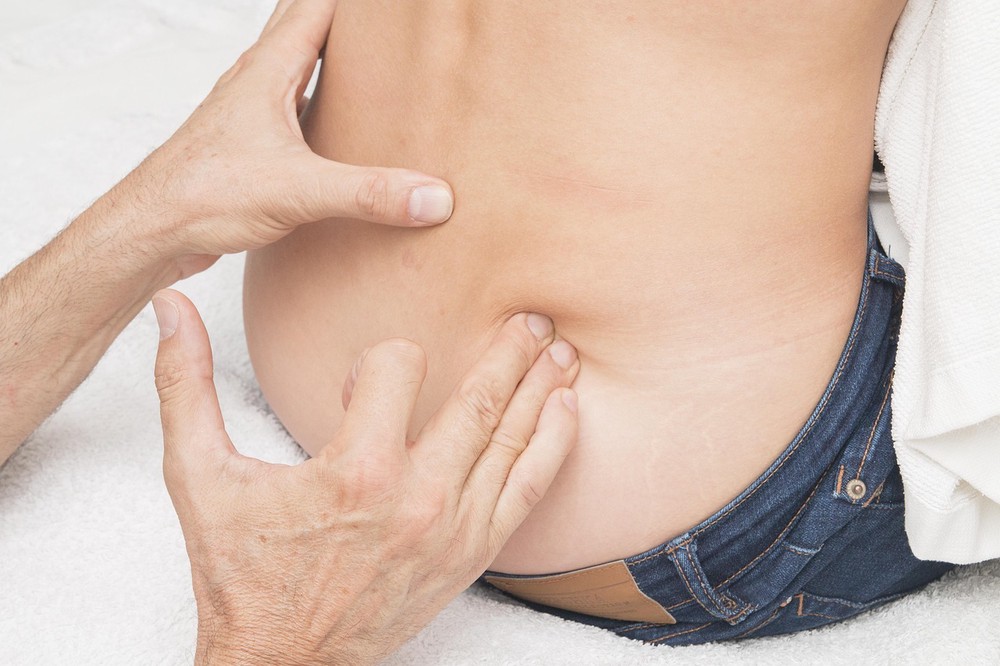
Pelvic floor health often sits quietly in the background of our wellness conversations—until something changes. Leaking during a workout, feeling pressure in the pelvis, or noticing changes in bladder habits can be unsettling. While there are many factors at play, including movement patterns, stress, and childbirth history, what you put on your plate matters more than you might think.
The pelvic floor is a sling of muscles that supports the bladder, uterus, and rectum. Like any other muscle group in the body, it needs proper fuel to function well. A targeted approach to nutrition—centered on collagen-building nutrients, anti-inflammatory compounds, and circulation-supporting foods—can give these muscles the foundation they need to stay strong, responsive, and resilient. Here is a practical look at which nutrients matter most and the foods that deliver them.
Why nutrient density matters for pelvic floor muscles
Pelvic floor muscles are skeletal muscles, meaning they respond to the same nutritional demands as your biceps or quadriceps—but with a unique twist. These muscles are under constant, gentle tension to support organs and maintain continence. They also participate in pressure management during coughing, sneezing, jumping, and lifting. When they lack key building blocks, they can become weak, slow to recover from injury, or prone to spasms and tenderness.
A thought to keep in mind: it is not about a single "miracle" food. Consistency across a few nutrient categories makes the real difference.
Protein and collagen: the building blocks of strong tissues
Collagen is the most abundant protein in connective tissue, including the fascia and ligaments that lace through the pelvic floor. Without a steady supply of the amino acids needed to build and repair this tissue, the pelvic support system becomes less elastic and more vulnerable to stress.
Good sources include bone broth, chicken skin, fish skin, and cuts of meat that contain connective tissue. Plant-based eaters need to pay extra attention: while plants do not directly contain collagen, they provide the raw materials your body uses to make its own. Eating plenty of vitamin C-rich foods—bell peppers, citrus, strawberries—alongside protein sources such as beans, lentils, and soy helps the body synthesize collagen more efficiently.
Practical ways to add more support
- Sip a cup of bone broth a few times per week (or use it as a base for soups).
- Add a handful of berries to oatmeal or yogurt for both vitamin C and antioxidants.
- Include a serving of lentils or chickpeas in grain bowls and salads for steady plant protein.
Magnesium: the relaxation mineral
Magnesium plays a central role in muscle relaxation. For the pelvic floor, that translates to less tension, fewer spasms, and better coordination between contraction and release. Many people—especially women—run low on magnesium because of stress, certain medications, or a diet low in whole foods. A deficiency can show up as tightness, discomfort with intimacy, or difficulty relaxing the pelvic floor during exercises.
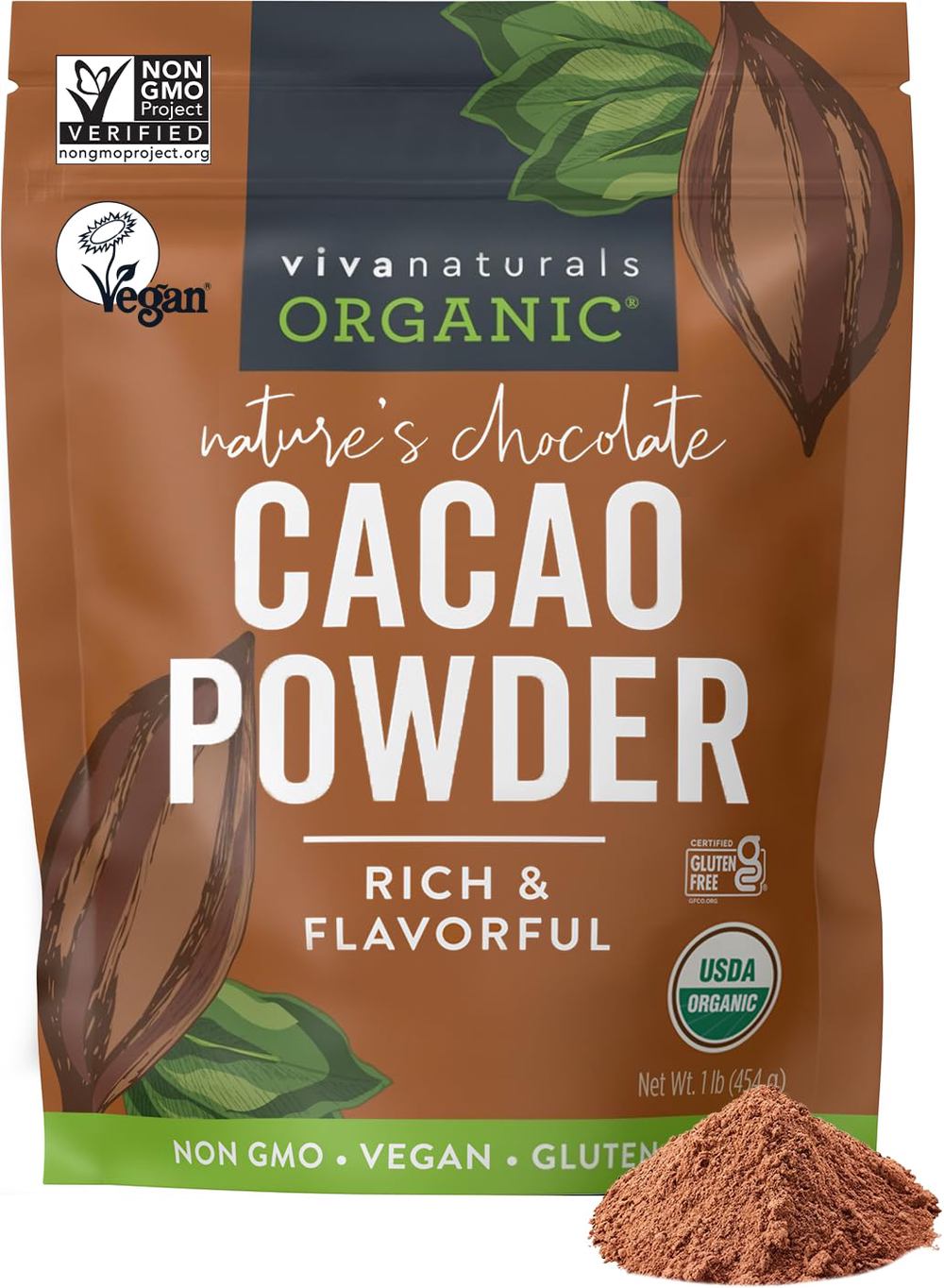
Food sources of magnesium include dark leafy greens (spinach, kale, swiss chard), pumpkin seeds, almonds, black beans, bananas, and dark chocolate. Soaking nuts and seeds can improve absorption. Aiming for two generous servings of leafy greens per day and a small handful of seeds or nuts covers a solid base.
A small shift: swap your afternoon snack for a banana with a few almonds or a square of dark chocolate (70% cacao or higher).
Omega-3 fatty acids for inflammation control
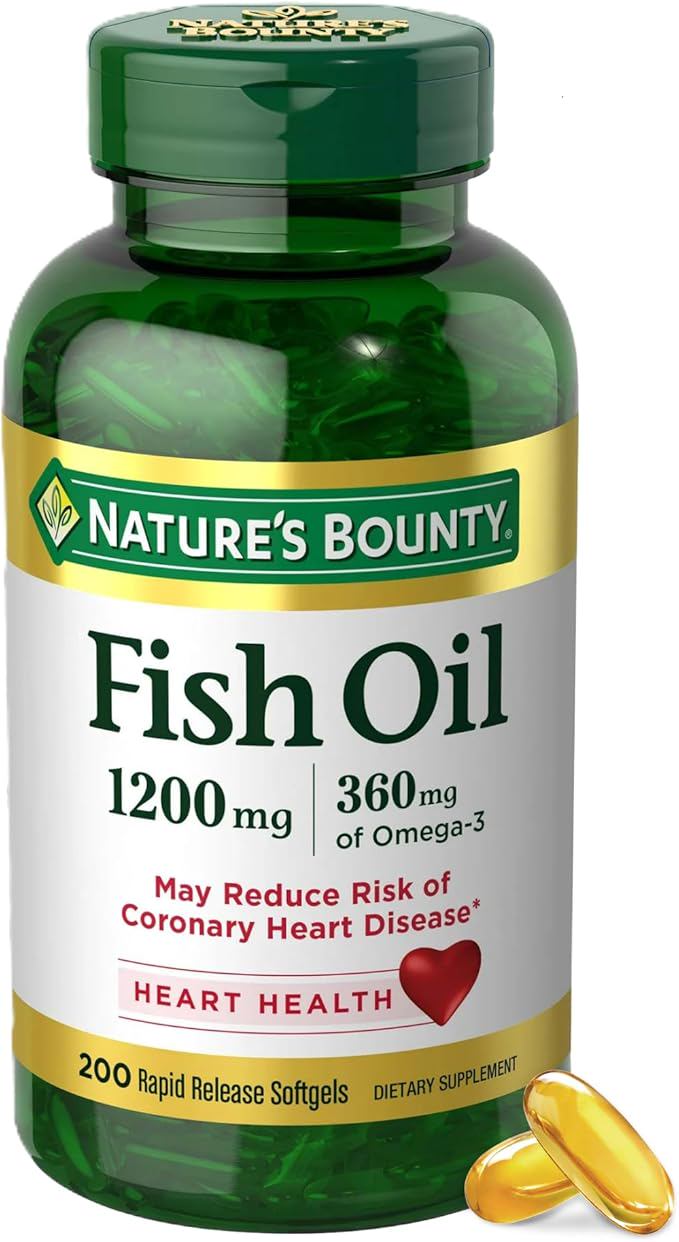
Chronic low-grade inflammation can stiffen connective tissue and make pelvic floor muscles less responsive. Omega-3 fatty acids, particularly EPA and DHA, help calm this inflammatory state. This is often relevant for people dealing with interstitial cystitis, endometriosis, or chronic pelvic pain—conditions that feed on inflammation and exacerbate pelvic floor tension.
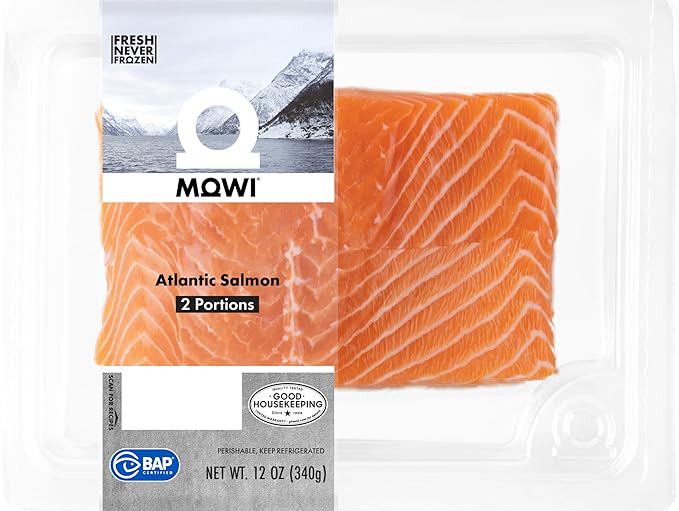
Fatty fish such as salmon, sardines, mackerel, and anchovies are the richest sources. For plant-based options, ground flaxseeds, chia seeds, and walnuts provide alpha-linolenic acid (ALA), which the body partially converts to EPA and DHA. Including at least two servings of fatty fish per week or a daily tablespoon of ground flaxseed can help tip the balance toward less inflammation.
Fiber and hydration: the unsung duo
Constipation is one of the most common drivers of pelvic floor dysfunction. Straining on the toilet puts extreme downward pressure on the pelvic floor, stretching and weakening the muscles over time. Preventing constipation is therefore a fundamental part of pelvic floor nutrition. Soluble and insoluble fiber do the heavy lifting here, but only when accompanied by adequate water intake.
High-fiber foods to lean on include oats, barley, chia seeds, apples, pears, carrots, broccoli, and legumes. A gradual increase in fiber (sudden jumps cause bloating) combined with a goal of about 8 cups of fluid daily—more if you exercise heavily or live in a warm climate—keeps bowel movements soft and regular. For those with a sensitive gut, cooked vegetables and well-soaked legumes are easier to digest than raw counterparts.
Don't overlook posture while eating: sitting upright during meals and taking a short walk afterward helps the digestive process move along smoothly.
Vitamin D and zinc: hormonal harmony
The pelvic floor is sensitive to hormonal shifts. Atrophy during menopause, for example, can thin the tissues in the pelvic region and reduce muscle tone. Vitamin D and zinc are two nutrients that support healthy hormone production and tissue integrity. Vitamin D also influences muscle strength directly—low levels are linked to generalized muscle weakness, including pelvic floor weakness.
Sun exposure remains the best source of vitamin D, but during winter or for those with limited sun, dietary sources include fatty fish, egg yolks, and fortified dairy or plant milks. Zinc is abundant in oysters, red meat, poultry, pumpkin seeds, and chickpeas. Pairing zinc-rich foods with a source of vitamin C (a squeeze of lemon on a chickpea salad, for instance) boosts absorption.
This article is for informational purposes only and does not constitute medical advice. Individual health conditions vary; consult a healthcare provider or a pelvic floor physical therapist for a regimen tailored to your needs.