On short, gray days, energy can feel like a scarce resource. Sunlight is limited, melatonin production might be up, and reaching for comfort foods can be tempting. But choosing the right foods can make a real difference in how you feel, supporting your mood and focus without a sugar crash. Here’s what to prioritize when the light is low.
Why Dark Days Drain Your Energy
Lack of sunlight can impact your circadian rhythm and serotonin levels. Your body may crave quick carbohydrates for a fast lift, but those often lead to an energy slump later. The goal is to support natural energy production and stable blood sugar, which in turn helps you feel steadier throughout the day.
Complex Carbohydrates: Your Slow-Burn Fuel
Instead of reaching for refined carbs like white bread or sugary snacks, choose complex carbohydrates. These release glucose slowly into your bloodstream, providing steady energy for hours. Think about adding these to your meals:
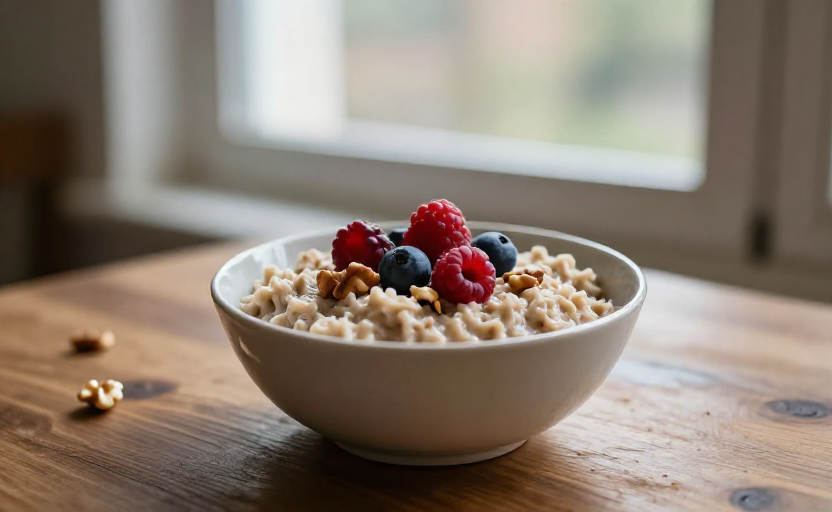
- Oats – A warm bowl of oatmeal starts your day with steady fuel.
- Quinoa and brown rice – Great bases for lunch or dinner bowls.
- Sweet potatoes and legumes – Packed with fiber and nutrients.
A simple shift: Swap a sugary breakfast pastry for oatmeal topped with nuts and berries. This can help avoid the mid-morning energy crash.
Protein: Building Blocks for Focus and Stamina
Protein helps stabilize blood sugar and supports the production of neurotransmitters that regulate focus and alertness. Include a source of protein at every meal, especially if you feel sluggish in the afternoon. Good options include:
- Eggs – Easy, versatile, and nutrient-dense.
- Greek yogurt or cottage cheese – A quick snack with sustained energy.
- Lean poultry, fish, or tofu – Perfect for lunch or dinner.
Healthy Fats: Brain Fuel for Dreary Days
Your brain is about 60% fat, so healthy fats are essential for mood and cognitive function. On overcast days, they can help maintain mental clarity and satiety. Focus on:
- Avocado – Add to toast, salads, or smoothies for creaminess.
- Nuts and seeds – Almonds, walnuts, chia, and flaxseeds are easy to sprinkle on yogurt or oatmeal.
- Fatty fish like salmon or sardines – Rich in omega-3s, which support brain health and mood regulation.
Vitamin D: The Sunshine Vitamin You Can Eat
When sunlight is scarce, dietary sources of vitamin D become crucial. Low levels are linked to fatigue and low mood. Incorporate these foods regularly:
- Fatty fish – Salmon, mackerel, and tuna are excellent sources.
- Egg yolks – A simple, daily way to get a little more.
- Fortified dairy or plant milks – Check labels to see if vitamin D has been added.
Iron: Covert Energy Thief
Iron deficiency can cause significant fatigue, especially in women. Dark days might make you less aware of your overall energy levels. Combine iron-rich foods with vitamin C for better absorption. Good sources include:
- Spinach and leafy greens – Add to smoothies, eggs, or pasta.
- Red meat or poultry in moderation – Heme iron is highly absorbable.
- Lentils and beans – Pair with bell peppers or citrus dressing.
Hydration: The Often-Forgotten Energy Booster
It is easy to let water intake slide when the weather is gray and cold. Even mild dehydration can cause fatigue and brain fog. Keep a water bottle nearby and consider:
- Herbal teas – Warm, comforting, and hydrating.
- Warm lemon water – A simple morning habit.
- Water-rich fruits like oranges or grapefruit – These also provide vitamin C.
Practical Swaps to Try This Week
You don't need to overhaul your diet overnight. Small, consistent changes often stick better. Try one or two of these this week:
- Breakfast: Replace your sugary cereal with oatmeal with a spoonful of peanut butter and sliced banana.
- Lunch: Build a grain bowl with quinoa, roasted sweet potatoes, chickpeas, and a handful of spinach.
- Snack: Choose an apple with a few walnuts instead of a granola bar.
- Dinner: Bake a piece of salmon with roasted broccoli and a side of brown rice.
Food is not a cure-all, but it is a powerful tool for how we feel. On days when the sky is heavy and your energy feels low, reaching for nutrient-dense whole foods can help you weather the season with a little more resilience. Listen to your body, honor your cravings in a healthy way, and keep a gentle approach to nourishing yourself.