The way you start your morning often sets the tone for the rest of the day. For anyone prone to irritability or short temper, the first few hours can feel like navigating a minefield — especially without the right fuel. Anger management experts and nutrition researchers agree that certain foods can help stabilize mood, blood sugar, and stress hormones from the moment you wake up. Here’s what they recommend eating for a truly calmer morning.
Why your breakfast matters for emotional control
When you wake up, your body has been fasting for hours. Your cortisol levels are naturally high to help you get going, but that spike can tip over into anxiety or agitation if your blood sugar crashes soon after. A breakfast built on refined carbs and sugar — think pastries, sweetened cereals, or white toast with jam — sends your glucose on a roller coaster. That rapid rise and fall can trigger jitters, anger, and fatigue before lunchtime.
Anger management specialists point out that stable blood sugar is foundational for emotional regulation. The goal is to keep your energy even-keeled so your brain isn’t scrambling for fuel when you need patience the most.
Protein: the steadying force
Protein is the single most important nutrient for a calm morning. It slows the absorption of carbohydrates, blunts the cortisol spike, and provides amino acids — like tryptophan — that your brain uses to produce serotonin.
Eggs are a go-to choice. A simple scramble or a couple of hard-boiled eggs can keep you satisfied and even-tempered for hours. If you’re plant-based, Greek yogurt, cottage cheese, or a tofu scramble work just as well. A 2022 study in the Journal of Nutrition linked higher-protein breakfasts to lower anger ratings in adults compared to carb-heavy morning meals.
Complex carbohydrates for a slow-burn release
Not all carbs are the enemy. Complex carbohydrates — whole oats, quinoa, buckwheat, or whole-grain rye — provide a slow, steady release of glucose. That helps maintain stable blood sugar levels and prevents the mid-morning crash that can leave you irritable.
Consider a bowl of steel-cut oats topped with a handful of berries and a scoop of nut butter. The fiber and protein together form a reliable energy base. Anger management experts emphasize that skipping carbs entirely can backfire, because the brain needs glucose to regulate mood — it just needs the right type.
Healthy fats to cool inflammation
Inflammation is increasingly linked to mood disorders, including heightened anger and aggression. Omega-3 fatty acids, in particular, play a protective role. A 2021 meta-analysis in Neuropsychopharmacology found that people with higher omega-3 intake reported fewer angry outbursts.
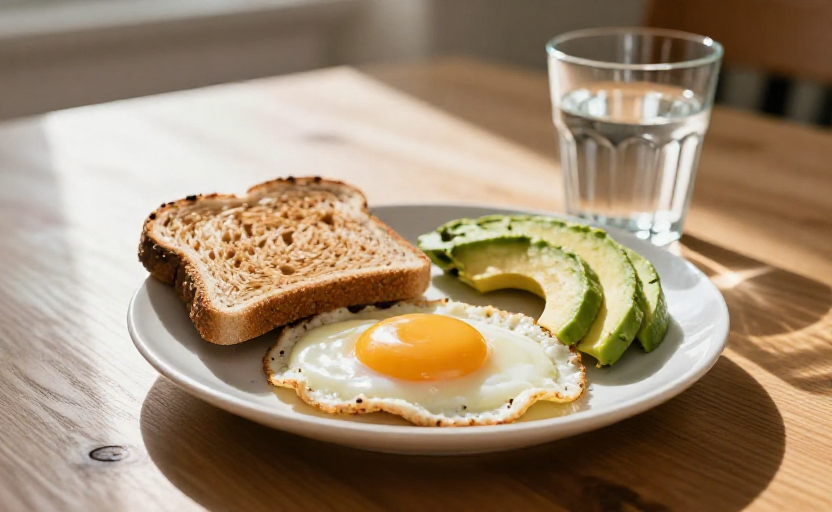
You can get these fats from foods like walnuts, chia seeds, flaxseed, or avocado. Adding half an avocado to your morning eggs or mixing ground flaxseed into your oatmeal is a small change that supports a calmer nervous system.
The magnesium connection
Magnesium is often called nature’s relaxant. It helps regulate the stress response and keeps the nervous system from going into overdrive. Yet many people are deficient, especially if they drink coffee or alcohol regularly.
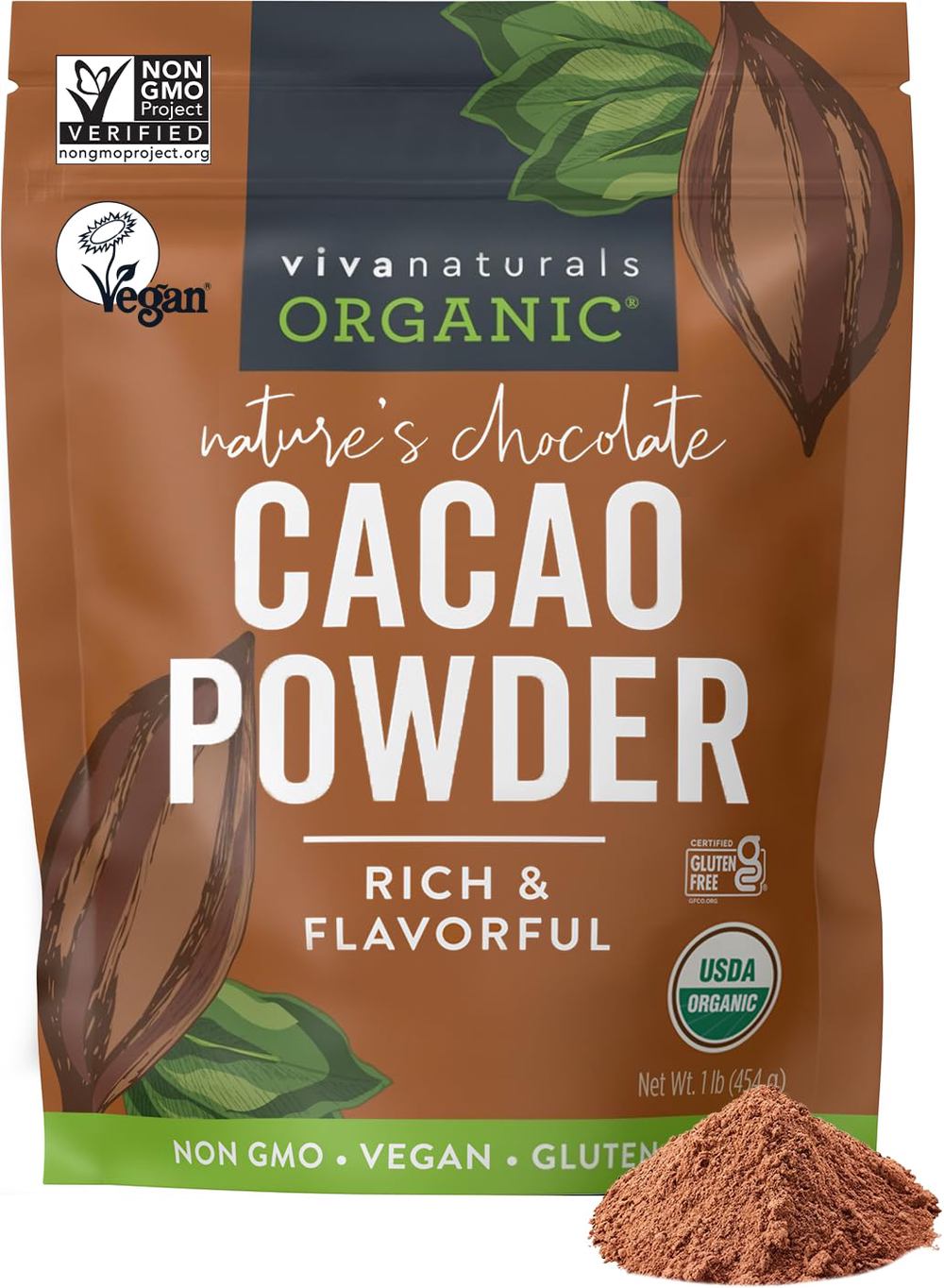
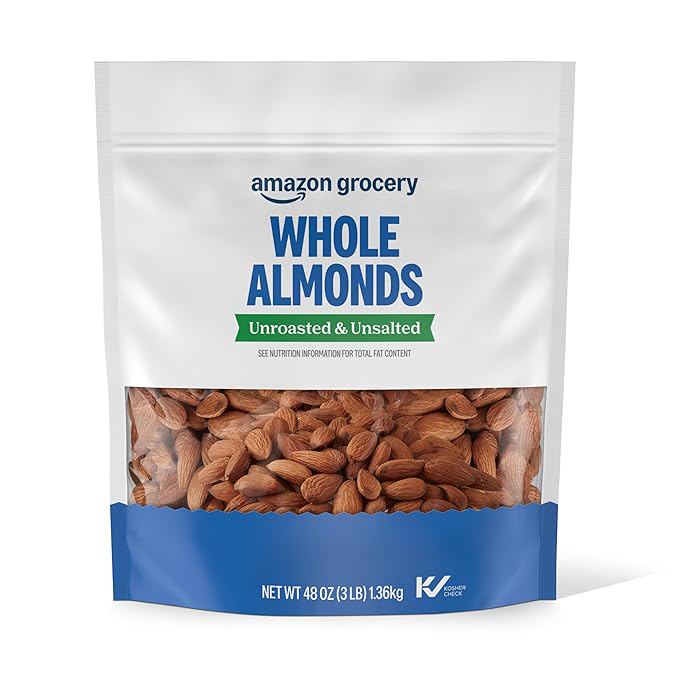
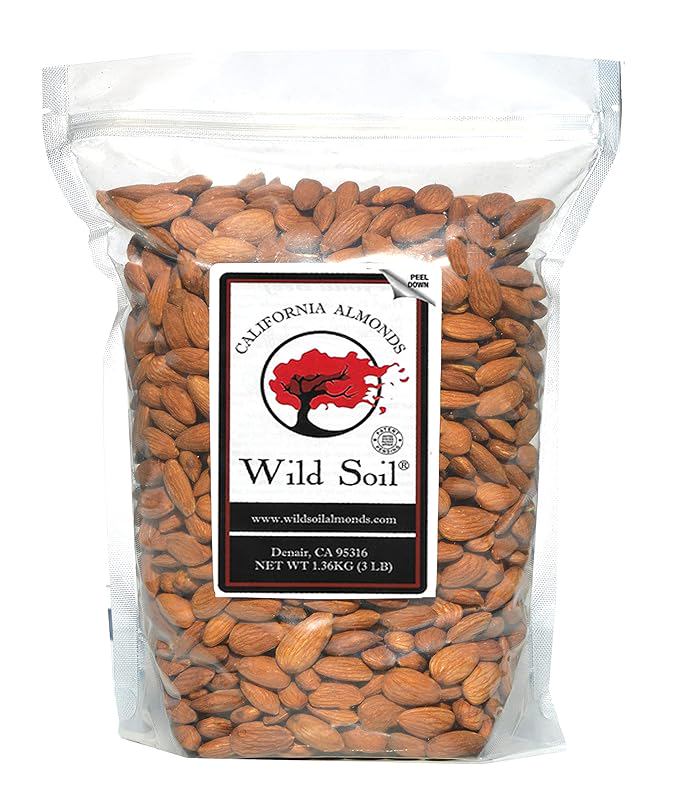
Pumpkin seeds, almonds, spinach, and dark chocolate are all rich in magnesium. A handful of almonds on your oatmeal or a small square of dark chocolate (at least 70% cocoa) with your breakfast can provide a subtle calming effect.
What to avoid (and what to swap in)
High-sugar breakfasts are the most common trigger for reactive anger. That includes sugary coffee drinks, fruit juice, and processed cereals. Even “healthy” smoothies can become sugar bombs if they rely heavily on fruit without enough protein or fat.
Swap that orange juice for a whole orange — you get fiber and less sugar. If you crave something sweet in the morning, try a few slices of apple with almond butter or a small bowl of plain yogurt with fresh berries and a drizzle of honey. The fiber in whole fruit buffers the sugar effect.
Real-world routines from experts
Many anger management therapists recommend a breakfast template that includes protein, fat, and fiber at every meal. A sample morning plate might be two eggs scrambled in olive oil with spinach, half an avocado, and a slice of rye toast. Another common suggestion is overnight oats made with whole rolled oats, chia seeds, milk or a milk alternative, and topped with walnuts.
“The calmer start you give yourself nutritionally, the less reactive you'll be when something goes wrong,” says Dr. Fiona Brennan, a clinical psychologist who specializes in anger management. “Your breakfast isn’t just fuel — it’s a mood strategy.”
Hydration matters too
Even mild dehydration can impair mood and increase tension. Start your morning with a glass of water before coffee. Herbal teas like chamomile, lavender, or lemon balm are also good choices — they provide hydration and have mild calming properties. If you can’t give up your morning coffee, keep it to one cup and avoid adding too much sugar or cream.
Putting it all together
Building a calm morning meal doesn’t require elaborate recipes. The principle is simple: combine protein, healthy fat, fiber, and complex carbs. Avoid sugar spikes and crashes. Eat slowly, and if possible, give yourself 15 minutes to eat without looking at your phone or email. That mindful pause amplifies the benefits of the food itself.
Anger management is about building small habits that accumulate over time. A steady breakfast is one of the most reliable ways to protect your mood before the day’s stressors even arrive.