Walking into a room full of people—whether it's a networking mixer, a family gathering, or a friend's dinner party—can send your nervous system into overdrive. Your heart races, your palms get clammy, and your mind starts spinning through every possible awkward scenario. While you can't control the guest list or the conversation, you can control what goes onto your plate before you walk out the door. The right foods can help settle your nerves, steady your blood sugar, and keep your brain from spiraling. Here's what to reach for when you want a calmer mind before a social event.
Why what you eat matters for social anxiety
Your gut and your brain are in constant conversation through the vagus nerve. When you're nervous, digestion slows down—which means a heavy, greasy meal can leave you feeling bloated and sluggish just when you need to feel sharp and present. On the flip side, certain nutrients directly support the production of calming neurotransmitters like serotonin and GABA. About 90% of your serotonin is made in your gut, so feeding it wisely can genuinely shift your mood. The goal before a social event is to eat foods that stabilize your blood sugar, provide steady energy, and avoid any digestive discomfort that might amplify your anxiety.
Complex carbohydrates: the foundation of calm
Carbohydrates often get a bad rap, but they are your brain's preferred fuel source. The trick is choosing the right kind. Simple carbs—white bread, sugary snacks, a can of soda—cause a rapid spike and then a sharp crash in blood sugar. That crash can trigger feelings of shakiness, irritability, and even panic. Complex carbohydrates, on the other hand, release glucose slowly into your bloodstream, providing a steady stream of energy that keeps your mood even.
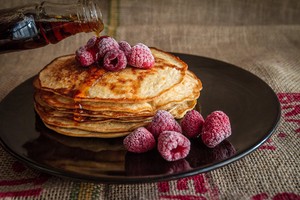
Think oats, quinoa, sweet potatoes, or whole-grain toast. These foods also help tryptophan—an amino acid that's a precursor to serotonin—cross the blood-brain barrier more easily. A bowl of oatmeal with a handful of berries a couple of hours before you head out can be surprisingly grounding.
Lean protein: steady energy without the jitters
Protein helps keep your blood sugar stable, but not all protein is created equal when you're trying to stay calm. A heavy steak or a plate of fried chicken takes a lot of energy to digest and can leave you feeling lethargic. Lean protein sources like grilled chicken, turkey, eggs, or tofu are lighter and provide amino acids that support neurotransmitter function.
Turkey is particularly interesting because it contains relatively high levels of tryptophan. While the idea that turkey makes you sleepy is oversimplified, combining it with a complex carbohydrate can indeed promote a sense of calm. A turkey and avocado wrap on a whole-wheat tortilla is a smart pre-event lunch.
Magnesium-rich foods: nature's relaxant
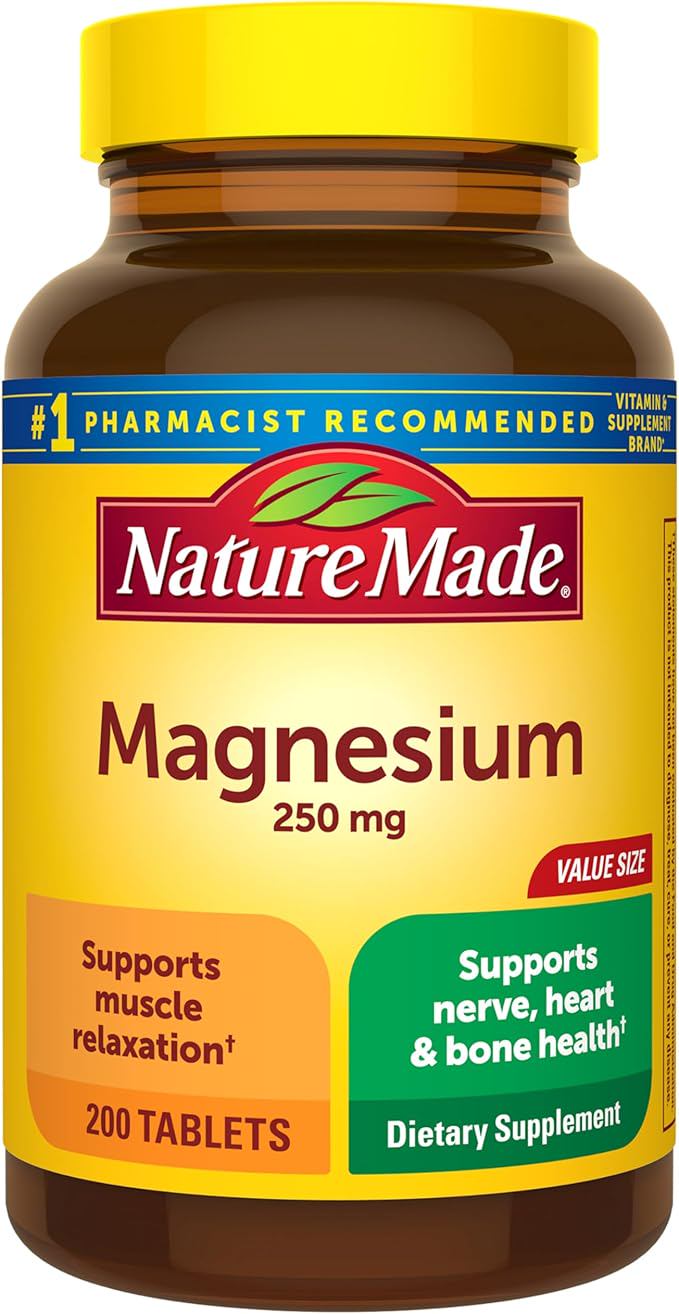
Magnesium is often called the relaxation mineral, and for good reason. It helps regulate the hypothalamic-pituitary-adrenal (HPA) axis, which controls your stress response. Low magnesium levels are linked to increased anxiety, muscle tension, and trouble sleeping. Eating magnesium-rich foods before a social event can help take the edge off that jittery feeling.
Leafy greens like spinach and kale are excellent sources, as are almonds, pumpkin seeds, black beans, and bananas. A small smoothie made with spinach, a banana, and some almond milk can be both soothing and portable. You could also snack on a small handful of almonds and a piece of dark chocolate—dark chocolate, not milk chocolate, is high in magnesium and also contains antioxidants that can lower stress hormones.
Omega-3 fatty acids: for a cooler brain
Inflammation in the body can actually contribute to anxiety. Omega-3 fatty acids are powerful anti-inflammatory compounds that also support brain health. Research suggests that people with higher omega-3 levels tend to have lower levels of anxiety. While the benefits of omega-3s are most pronounced with regular dietary intake over time, eating a source of them a few hours before an event can still contribute to an overall sense of equilibrium.
Fatty fish like salmon, mackerel, or sardines are the most direct sources. If fish isn't your thing, chia seeds, flaxseeds, and walnuts are good plant-based alternatives. A small bowl of chia pudding made with coconut milk and topped with a few walnuts is a light, calming option.
Probiotics and fermented foods: tending the gut-brain axis
Since so much of your mood-regulating chemistry starts in the gut, supporting your gut microbiome with probiotics can make a real difference. Fermented foods like yogurt, kefir, kimchi, sauerkraut, and miso contain live beneficial bacteria that help maintain a healthy gut environment. A healthy gut lining is less likely to trigger systemic inflammation, and a balanced microbiome is associated with better mood regulation.
A small bowl of plain Greek yogurt with a drizzle of honey and some sliced banana is a good pre-event snack—provided you know your body tolerates dairy well. If dairy tends to make you feel bloated or foggy, skip it and try a small serving of miso soup or a few forkfuls of sauerkraut as part of a light meal.
Hydration: the overlooked factor
Dehydration can mimic and even amplify anxiety. When you're even mildly dehydrated, your heart may beat faster, your concentration can dip, and you might feel more irritable. That familiar anxious flutter in your chest can be caused by nothing more than not drinking enough water. Aim to sip water steadily throughout the day leading up to the event. Herbal teas like chamomile or lavender can also contribute to fluid intake and have their own mild calming effects.
Be mindful of caffeine. For some, a small amount of caffeine can boost alertness, but if you're prone to anxiety, it can push your nervous system into overdrive. If you do want coffee or tea, stick to a modest amount, and avoid it completely in the two hours before the event. Similarly, alcohol is not a solution. It might seem to take the edge off at first, but it disrupts sleep, destabilizes blood sugar, and can actually increase anxiety as it wears off.
What to avoid before you walk in the door
Just as important as what you eat is what you skip. Fried foods, heavy sauces, and ultra-processed snacks can cause bloating, indigestion, and sluggishness—exactly what you don't need when you're trying to feel confident and energetic. Very high-sugar foods—candy, pastries, sugary coffee drinks—set you up for a blood sugar roller coaster that can end in a crash during the event itself. Spicy foods can trigger acid reflux or general digestive upset, especially if you're already nervous. Stick with simple, whole foods that you know agree with you, and eat a moderate portion—enough to feel satisfied, but not stuffed.
A sample pre-event eating plan
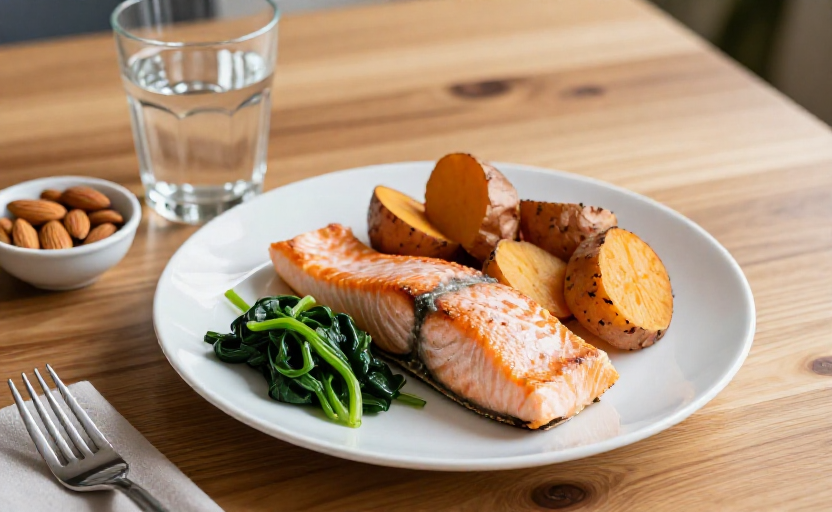
If you're looking for a practical template, here's one approach that covers the bases. About three hours before the event, have a balanced meal: a palm-sized portion of lean protein like grilled salmon or chicken, a serving of complex carbs like quinoa or roasted sweet potato, and a generous portion of steamed greens like spinach or broccoli. If that's too heavy or you're eating closer to the event, scale it down to a snack-sized portion about 90 minutes before—maybe a rice cake with almond butter and sliced banana, or a small smoothie with spinach, banana, and a tablespoon of chia seeds.
The key is to give your body enough time to digest the food before you start mingling. Eating too much right before you walk in the door can leave you feeling physically uncomfortable, and that discomfort can easily be misinterpreted by your brain as anxiety.
A final note on building a calmer baseline
No single meal will cure social anxiety, and you shouldn't expect food to replace professional support if you're struggling with intense or persistent nervousness. But food is a powerful tool you have control over. Paying attention to what you eat before a social event is a practical, immediate way to steady your nervous system and reduce the physical sensations that fuel anxiety. Over time, building these habits into your routine can help you walk into any room feeling a little more grounded and a lot more like yourself.