
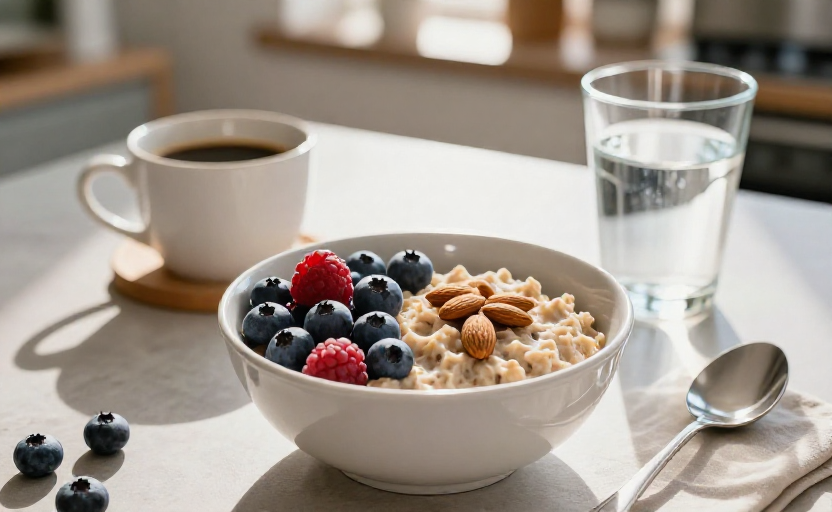
Morning anxiety can make the start of a workday feel overwhelming. For those prone to panic attacks, the right breakfast choices may help steady the nervous system and reduce the likelihood of a spike in symptoms. Experts in nutrition and mental health agree that certain foods—and the timing of eating them—can play a meaningful role in managing anxiety before the workday begins.
The connection between food and mood is not new, but research continues to deepen our understanding of how specific nutrients influence stress hormones, blood sugar stability, and neurotransmitter activity. A thoughtful pre-work meal is one tool you can use to create a calmer morning baseline.
Why morning eating matters for panic prevention
Skipping breakfast or choosing a high-sugar option can send blood sugar on a roller coaster. When blood sugar drops rapidly, the body releases adrenaline and cortisol—the same hormones that trigger the fight-or-flight response. For someone already vulnerable to panic, this can feel like a false alarm that spirals into a full attack.
A balanced meal that includes protein, fiber, and healthy fat helps maintain stable blood glucose levels. This steadiness also supports the adrenal glands, which manage your stress response, and provides the brain with a steady supply of fuel.
Key nutrients that calm the nervous system
Certain nutrients have a direct effect on brain chemistry and the autonomic nervous system. Including them in your morning meal may help lower baseline anxiety and reduce panic reactivity.
Magnesium
Magnesium is often called nature's relaxant. It helps regulate the hypothalamic-pituitary-adrenal (HPA) axis, which controls your stress response. Low magnesium levels have been linked to increased anxiety and panic symptoms. Foods rich in magnesium include spinach, almonds, pumpkin seeds, black beans, and avocado. A morning smoothie with spinach and almond butter or a bowl of oatmeal with pumpkin seeds are easy ways to get more magnesium at breakfast.
Omega-3 fatty acids
Omega-3s, particularly EPA and DHA found in fatty fish, support brain health and reduce inflammation that can worsen anxiety. While fish may not be a typical breakfast food, you can get omega-3s from chia seeds, flaxseeds, or walnuts. A chia pudding made the night before or a sprinkle of ground flaxseed on yogurt are practical morning options.
B vitamins
B vitamins—especially B6, B12, and folate—are essential for producing neurotransmitters like serotonin and GABA, which promote calm. Eggs are a great source of B vitamins, as are nutritional yeast, leafy greens, and legumes. A scrambled egg with sautéed spinach or a lentil-based breakfast bowl can help meet these needs.
Tryptophan and complex carbohydrates
Tryptophan is an amino acid that the body converts into serotonin, which then becomes melatonin. This pathway supports mood regulation and sleep. Pairing tryptophan-rich foods like eggs, turkey, or tofu with complex carbohydrates (such as oats, quinoa, or sweet potatoes) helps the body absorb tryptophan more effectively.
What to put on your plate
A panic-reducing breakfast should combine protein, fiber, and healthy fats. Here are a few expert-backed examples:
- Oatmeal with nuts and berries: Rolled oats provide steady-release carbohydrates. Add almonds or walnuts for magnesium and omega-3s, plus blueberries for antioxidants that combat oxidative stress.
- Eggs and avocado on whole-grain toast: Eggs supply B vitamins and tryptophan. Avocado adds healthy fats and magnesium. The whole grain provides complex carbs for sustained energy.
- Greek yogurt with pumpkin seeds and chia: Greek yogurt is high in protein and contains probiotics that support the gut-brain axis. Pumpkin seeds offer magnesium; chia seeds add omega-3s and fiber.
- Green smoothie: Blend spinach or kale with a banana, almond butter, and unsweetened almond milk. This gives you magnesium, B vitamins, and potassium, which helps regulate blood pressure during stress.
- Quinoa breakfast bowl: Quinoa is a complete protein with complex carbs. Top it with sautéed vegetables, a fried egg, and a drizzle of tahini for a savory, grounding meal.
Foods to avoid before work
Just as certain foods help, others can trigger or worsen anxiety symptoms. High-sugar cereals, pastries, and sweetened coffee drinks cause rapid blood sugar spikes and crashes. Caffeine is another common trigger, as it can increase heart rate and mimic the physical sensations of a panic attack. If you are sensitive to caffeine, consider switching to herbal tea or a low-caffeine option like matcha, which contains L-theanine, an amino acid that promotes relaxation.
Alcohol is worth mentioning here, even though it is rarely consumed at breakfast. If you have been drinking the night before, the effects of alcohol withdrawal and dehydration can amplify morning anxiety. Staying hydrated with water throughout the morning is equally important.
A simple rule: protein, fiber, and healthy fat before you leave the house. This combination gives your brain and body the steadiness they need to face the day.
Timing and portion size
Eating too much can cause discomfort and sluggishness, while eating too little may leave you hungry and stressed. Aim for a moderate portion that feels satisfying but not heavy. Ideally, eat your pre-work meal at least 30 minutes before you expect to start your commute or work tasks. This gives your body time to digest and allows blood sugar to stabilize.
If you exercise in the morning, eat a small snack like a banana with almond butter before your workout, then follow with a full breakfast afterward. This approach maintains energy without burdening your digestive system during physical activity.
Putting it all together
There is no single perfect breakfast for everyone, but the principles remain the same. Focus on whole, minimally processed foods that deliver a mix of protein, fiber, and healthy fat. Include magnesium-rich ingredients, B vitamins, omega-3s, and complex carbohydrates. Avoid high sugar and high caffeine options. And give yourself time to eat without rushing—eating calmly is itself a form of self-regulation that can reduce panic risk.
If your morning anxiety persists despite dietary changes, it is wise to speak with a healthcare provider. A registered dietitian or a mental health professional can help you tailor a plan that fits your specific needs and medical history.