
Walking into a sexual health screening can stir up a lot of nerves. You're not alone if your stomach feels tight or your mind races. While you can't control the test itself, you can control what you put on your plate beforehand. Dietitians say the right pre-appointment meal can steady your blood sugar, calm frayed nerves, and help you feel more grounded. The goal isn't a magic bullet—it's practical, gentle nutrition that supports a clear head and a settled stomach.
Why what you eat matters before a screening
Your digestive system and your nervous system are closely linked. When you're anxious, your body diverts blood flow away from digestion, which can cause queasiness, cramping, or a fluttery feeling. Eating foods that are easy to break down and rich in certain nutrients can help counter that stress response. Dietitians point to three key areas: steady blood sugar, adequate hydration, and nutrients that support the nervous system's calming pathways.
A quick note: Nothing you eat will change the results of your screening. These suggestions are about how you feel during the process.
Foods that help settle pre-appointment jitters
Complex carbohydrates are your first line of defense. They take longer to digest than simple sugars, providing a slow release of energy that helps keep blood sugar even. Think whole-grain toast with a thin layer of nut butter, a small bowl of oatmeal with berries, or a banana. These options are gentle on the stomach and provide a steady fuel source without the spike-and-crash of a sugary pastry.
Lean protein for staying power
Adding a modest amount of lean protein—like a hard-boiled egg, a few slices of turkey, or a spoonful of Greek yogurt—can help you feel full and focused. Protein also supplies amino acids that are precursors to neurotransmitters like serotonin, which plays a role in mood regulation. You don't need a huge portion; a small serving alongside your carb of choice is enough.
Magnesium-rich foods to relax the body
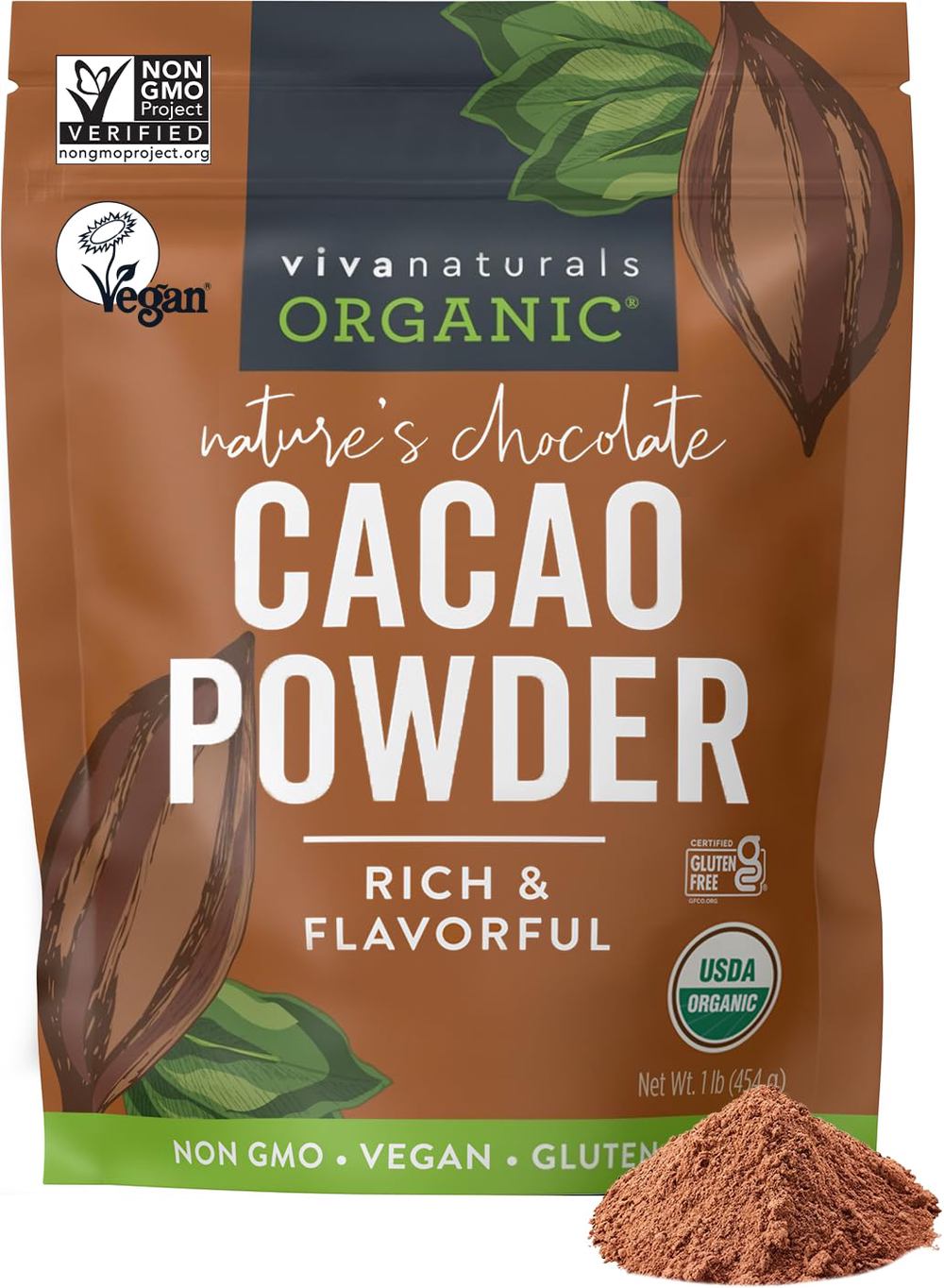
Magnesium is a mineral often called nature's relaxant. It helps regulate the nervous system and may reduce symptoms of mild anxiety. Foods like spinach, almonds, pumpkin seeds, and dark chocolate (a square or two) are good sources. A simple snack like a handful of almonds and a few dark chocolate chips can hit both the magnesium and the comfort-food craving without overloading your stomach.
What to avoid before your appointment
Just as important as what you eat is what you skip. High-sugar foods, ultra-processed snacks, and heavy, greasy meals can ramp up anxiety. Sugar causes a rapid rise and then a sharp drop in blood glucose, which can mimic or worsen physical symptoms of anxiety—shakiness, irritability, dizziness. Similarly, a heavy, fatty meal (think fast food or a rich pasta dish) sits in the stomach for a long time and can make you feel sluggish or bloated.
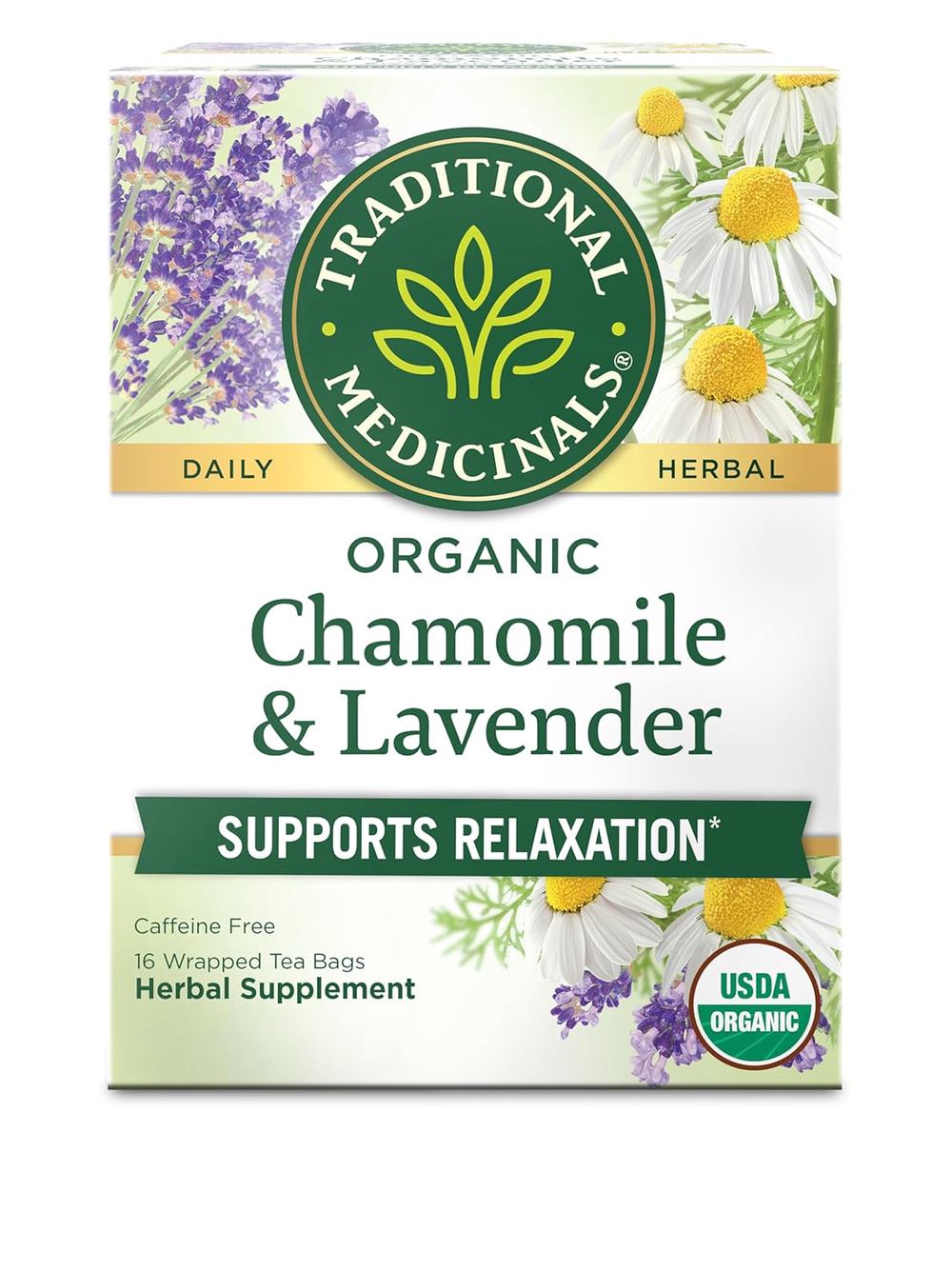
- Caffeine: It's a stimulant that can increase heart rate and jitteriness. If you usually drink coffee, a smaller cup or switching to herbal tea (like chamomile or peppermint) is a better choice on screening day.
- Carbonated drinks: Bubbles can lead to bloating and gas, which might make you feel uncomfortable or self-conscious during the exam.
- Spicy foods: These can irritate the digestive tract and cause heartburn or stomach upset for some people.
Hydration matters more than you think
Dehydration can amplify feelings of fatigue and anxiety. Being well-hydrated also makes blood draws easier if that's part of your screening. Water is the best choice. Herbal teas count too. Sip steadily through the morning rather than chugging a large amount right before the appointment to avoid a full bladder.
A sample pre-screening meal plan
Here's what a dietitian might suggest depending on when your appointment is scheduled:
If your screening is in the morning
A small, balanced breakfast: half a whole-grain English muffin with a scrambled egg and a few slices of avocado. Or a smoothie made with a handful of spinach, half a banana, a tablespoon of almond butter, and unsweetened almond milk.
If your screening is in the afternoon
A light lunch: a green salad with grilled chicken or chickpeas, plus a piece of whole-grain bread. Or a bowl of lentil soup with a side of sliced apple.
A quick snack for right before
If you need something very close to the appointment time, keep it small. A handful of whole-grain crackers, a piece of fruit, or a small yogurt cup works. The key is to avoid being either too full or too hungry.
Disclaimer: The information provided in this article is for general educational purposes only and does not constitute medical advice. Always consult with a qualified healthcare professional regarding your individual health needs and before making any changes to your diet or lifestyle.