Menstrual migraines can feel like a monthly ambush—a throbbing headache that arrives right before or during your period, often more intense and harder to treat than regular migraines. The good news is that emerging research points to specific dietary changes that may help reduce their frequency and severity. While no single food can act as a cure, what you put on your plate (and what you leave off) appears to play a meaningful role in managing these hormonally-triggered headaches.
The connection lies in the drop of estrogen that happens right before menstruation. This hormonal shift can trigger a cascade of events in the brain, including inflammation and changes in blood vessel tone—both of which are key players in migraine attacks. Certain foods can either support or disrupt this delicate balance. Here’s a closer look at what science says about eating to calm, rather than provoke, period migraines.
Magnesium-Rich Foods to Stabilize Brain Excitability
Magnesium is one of the most studied nutrients for migraine prevention. It helps regulate neurotransmitter function and blood vessel tension, both of which become unstable during a menstrual migraine. Research suggests that women who experience migraines tend to have lower magnesium levels during their menstrual cycle.
Adding magnesium-rich foods to your daily routine—especially in the week before your period—may help calm the nervous system. Look for leafy greens like spinach, seeds such as pumpkin and chia, almonds, black beans, and bananas. Some studies have also found that magnesium supplementation can reduce the frequency of migraine attacks, but you can start by increasing dietary sources first. A smoothie with spinach, almond butter, and a banana is a practical pre-period addition.
Omega-3 Fatty Acids to Tame Inflammation
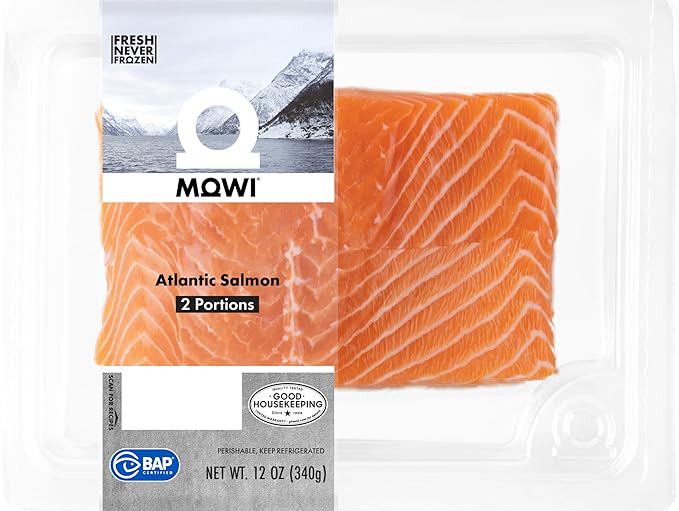
Inflammation is a known driver of migraine pain, and omega-3 fatty acids are powerful anti-inflammatory compounds. In a 2021 study, participants who ate a diet high in omega-3s (from fish like salmon, mackerel, sardines, and also from walnuts and flaxseeds) experienced significantly fewer migraine days and less severe pain compared to those on a standard diet.
For period migraines specifically, omega-3s may help counteract the pro-inflammatory effects of prostaglandins—hormone-like compounds that rise just before menstruation and can trigger pain. Aim for two servings of fatty fish per week, or incorporate plant-based sources like ground flaxseed into oatmeal or smoothies. If you’re vegetarian or vegan, a high-quality algae-based omega-3 supplement may be worth discussing with a healthcare provider.
Steady Blood Sugar with Complex Carbohydrates
Fluctuations in blood sugar can mimic or worsen the hormonal shifts that trigger migraines. When estrogen drops, your body becomes more sensitive to low blood sugar. This can set off a headache before you even feel hungry. Eating regularly and choosing complex carbohydrates helps keep blood sugar stable.
Focus on whole grains like oats, quinoa, and brown rice, as well as starchy vegetables like sweet potatoes and legumes. These foods release glucose slowly, preventing the spikes and crashes that can invite a migraine. Pair them with protein or healthy fat at each meal—for example, oatmeal with walnuts and berries, or quinoa with roasted vegetables and grilled chicken. Skipping meals, especially breakfast, is a known trigger, so try to eat at consistent times throughout the day.
Foods to Avoid: Common Triggers for Period Migraines
Just as certain foods can help, others can actively provoke a menstrual migraine. While triggers are highly individual, a few culprits appear consistently in research and clinical practice.
Caffeine: A Double-Edged Sword
Caffeine can sometimes relieve a migraine by constricting blood vessels, but it’s also a common trigger, especially when consumed irregularly or in large amounts. For period migraines, the issue is often withdrawal. If you regularly drink coffee or tea and then skip a day, the resulting caffeine withdrawal can trigger a headache. Consistency matters: if you use caffeine, keep your intake steady and moderate (around 200 mg daily, roughly one to two cups). Avoid sudden changes around your period.
Alcohol, Especially Red Wine
Alcohol is a well-known migraine trigger, and red wine is particularly problematic for many. It contains histamines and sulfites, compounds that can dilate blood vessels and promote inflammation. For women prone to menstrual migraines, alcohol’s effects may be magnified in the days leading up to menstruation. If you notice a pattern, consider skipping alcohol during your luteal phase (the week before your period).
Processed Meats and Aged Cheeses
Foods high in tyramine—a compound that affects blood pressure and neurotransmitter release—have long been linked to migraines. Aged cheeses (like cheddar, blue cheese, and parmesan), cured meats (salami, pepperoni, bacon), and smoked fish are common sources. Tyramine levels increase as foods age, so choose fresh proteins and dairy when possible, especially in the week before your period.
A quick caveat: Not everyone reacts to the same foods. Keeping a simple diary—what you ate, when your period started, and when a migraine hit—can reveal your unique triggers. This is more reliable than cutting out all potential culprits at once.
Hydration and Electrolytes: The Often Overlooked Factor
Dehydration is one of the most common migraine triggers, and it’s easy to overlook during a busy day. During the menstrual cycle, fluid retention and loss can fluctuate, making hydration especially important. Aim for plain water as your main beverage, and consider adding a pinch of salt or an electrolyte packet if you’re also experiencing bloating or diarrhea (common with PMS). Electrolytes like sodium, potassium, and magnesium help maintain nerve function and blood volume, both of which can influence headache onset.
Herbal teas like ginger or peppermint may also provide mild anti-inflammatory benefits and add to your fluid intake. Just avoid sugary sports drinks, which can spike blood sugar.
Putting It Into Practice: A Sample Pre-Period Approach
Rather than overhauling your entire diet overnight, try these manageable shifts in the week before your period:
- Add magnesium at breakfast: A small bowl of oatmeal topped with pumpkin seeds and sliced banana.
- Include omega-3s at lunch: A salad with grilled salmon, leafy greens, and a lemon-tahini dressing.
- Choose complex carbs at dinner: Quinoa bowl with black beans, roasted sweet potatoes, and avocado.
- Stay hydrated: Keep a water bottle at your desk and sip throughout the day.
- Limit trigger foods: Reduce or avoid alcohol, aged cheese, and cured meats in the five to seven days before your period.
Every body responds differently. Start with one or two changes and observe how your next cycle feels. Some people notice a difference within a month; for others, it may take a few cycles to see patterns. If migraines remain severe or frequent, consult a healthcare provider. Dietary adjustments work best as part of a broader plan that may include medication, stress management, and sleep hygiene.
Ultimately, the goal isn’t to create a rigid “migraine diet” that feels restrictive—it’s to nourish your body in a way that supports hormonal balance and reduces inflammation. Small, consistent choices can add up to fewer days lost to pain.