If you're navigating the waves of menopause, you know hot flashes aren't just a minor inconvenience. They're a full-body experience that can disrupt your day, your sleep, and your sense of control. While you can't stop the hormonal shifts happening within, you have more influence over your comfort than you might think. The food on your plate plays a surprisingly direct role in either calming the internal thermostat or turning up the heat.
This isn't about a restrictive diet or quick fixes. It's about understanding how everyday choices—your morning coffee, your lunchtime salad, that evening snack—interact with your changing body. By making a few strategic adjustments, you can create a foundation of stability that helps smooth out the peaks and valleys of your symptoms.
How does food affect hot flashes?
Hot flashes are primarily driven by fluctuating estrogen levels, which confuse the hypothalamus—your brain's temperature control center. Think of it as a thermostat that's become overly sensitive. Certain foods and drinks can act as triggers, directly stimulating this sensitive system or causing blood vessels to dilate rapidly, mimicking a hot flash. Others can have a stabilizing effect, providing nutrients that support your body's natural cooling mechanisms and hormonal balance.
The goal isn't to eliminate every potential trigger (an impossible and joyless task), but to identify patterns. What you eat consistently builds your body's resilience day by day.
Foods and drinks that may help cool hot flashes
Focus on building your meals around these supportive choices. They provide key nutrients that work with your body, not against it.
Plant-based phytoestrogens
Phytoestrogens are plant compounds with a mild, estrogen-like effect. They can gently bind to estrogen receptors in the body, potentially helping to moderate the dramatic dips in your own hormone levels. Consistency is key here; think of them as a daily part of your diet rather than an occasional addition.
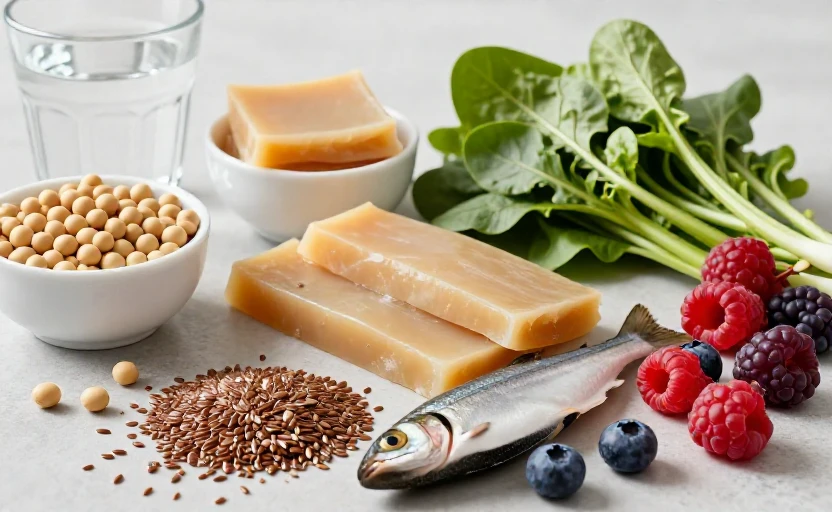
- Soy products: Opt for whole, fermented, or minimally processed forms like edamame, tempeh, miso, and tofu. These are rich in isoflavones, a well-studied type of phytoestrogen.
- Flaxseeds: A tablespoon of ground flaxseed daily is an excellent source of lignans. Sprinkle it on oatmeal, yogurt, or blend it into a smoothie.
- Other sources: Lentils, chickpeas, sesame seeds, and whole grains like oats and barley also contain beneficial phytoestrogens.
Introduce phytoestrogen-rich foods gradually. Your gut needs time to adjust to the increased fiber.
Cooling, water-rich fruits and vegetables
Staying well-hydrated is crucial for temperature regulation. Foods with high water content help from the inside out.
- Cucumber, celery, watermelon, and leafy greens: These are naturally hydrating and packed with vitamins and minerals.
- Berries: Blueberries, strawberries, and raspberries are rich in antioxidants and vitamin C, which support blood vessel health.
Healthy fats and omega-3s
These fats are building blocks for hormones and help fight inflammation, which can be heightened during menopause.
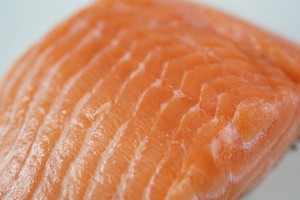
- Fatty fish: Salmon, mackerel, and sardines are top sources of anti-inflammatory omega-3 fatty acids.
- Avocados, nuts, and seeds: Provide vitamin E and monounsaturated fats, supporting overall cellular health.
Calcium and vitamin D for bone and beyond
While crucial for bone health as estrogen declines, these nutrients also play a role in overall nervous system function. Include leafy greens, fortified plant milks, yogurt, and canned fish with bones (like salmon). Safe sun exposure is the best source of vitamin D, but a supplement may be necessary for many; discuss this with your healthcare provider.
Common triggers to be mindful of
These items don't need to be banned, but observing their effect is wise. Try eliminating one for a few weeks to see if you notice a difference in frequency or intensity.
Caffeine and alcohol
Both are vasodilators, meaning they cause blood vessels near the skin's surface to widen. This sudden rush of blood can feel exactly like the onset of a hot flash. Caffeine also stimulates the nervous system. Notice if that afternoon coffee or evening glass of wine reliably precedes a flush. You might find switching to herbal tea or limiting alcohol to one drink earlier in the day makes a noticeable difference.
Spicy foods and added sugars
Spicy foods containing capsaicin directly trick your nervous system into thinking you're overheated, triggering a sweating response. High-sugar foods and refined carbs (white bread, pastries) cause a rapid spike and subsequent crash in blood sugar, which can stress the body and provoke symptoms. Opt for warming herbs like ginger or cinnamon instead of chili heat, and choose whole fruits over sugary desserts.
Processed and high-sodium foods
Heavily processed meals, fast food, and salty snacks can contribute to dehydration and blood pressure fluctuations, placing additional strain on your system. Cooking at home more often allows you to control both salt and ingredient quality.
Building your daily approach
This isn't about perfection. Start with one or two manageable changes.
- Keep a simple symptom journal: For a week, note what you eat and drink and the timing of any hot flashes. Look for patterns, not judgments.
- Prioritize balanced meals: Combine protein, healthy fats, and fiber at each meal to stabilize blood sugar. For example, an apple with almond butter, or grilled chicken with quinoa and roasted vegetables.
- Eat mindfully and regularly: Don't skip meals. Extreme hunger can be a trigger itself. Slow, relaxed eating aids digestion.
- Stay consistently hydrated: Sip water throughout the day. Sometimes, thirst can be misinterpreted by the body.
Remember, food is one piece of the puzzle. Pairing these dietary approaches with stress-reducing practices like paced breathing, regular gentle exercise, and wearing breathable, layered clothing creates a comprehensive strategy for greater comfort.
If your hot flashes are severe or drastically impacting your life, have a conversation with your doctor. Dietary changes are a powerful tool for many, but they work best as part of a personalized plan that addresses your whole health.