
You’ve finished your workout, you’re sweaty and a little tired, and now the question hits: what should I eat? It’s not just about refueling — what you put on your plate in that post-exercise window can make a real difference in how well your body repairs muscle and recovers for the next session. Dietitians and sports nutrition experts agree that the right combination of nutrients helps you preserve lean mass, restore energy, and get the most out of all that effort.
The goal isn't complicated: you want to give your muscles the building blocks they need without overdoing it or eating the wrong things. Let's walk through what the evidence says about post-workout eating, and how to make smart choices whether you're lifting weights, running, doing yoga, or trying a HIIT class.
Why what you eat after exercise matters for muscle
When you exercise, especially during resistance training or high-intensity interval work, you create tiny tears in your muscle fibers. That sounds alarming, but it's actually the normal process that leads to stronger muscles — provided you give your body the raw materials to repair them. Protein provides amino acids, which are the building blocks for that repair. Carbohydrates replenish the glycogen stores you just depleted so you have energy for tomorrow. Fat, in moderate amounts, supports hormone function and overall health.
Registered dietitians often refer to the “anabolic window” — a period after exercise when your muscles are especially receptive to nutrients. While the exact timing isn't as tight as once believed, eating within a couple of hours is still a good rule of thumb. Waiting too long can slow recovery and, over time, make it harder to preserve muscle mass.
Protein: the cornerstone of muscle preservation
Protein is the star player in post-workout nutrition. Most research points to a target of about 20 to 40 grams of high-quality protein after a workout, depending on your body weight and the intensity of your session. The key is getting a complete source — one that contains all nine essential amino acids, with a special emphasis on leucine, which directly triggers muscle protein synthesis.
Good options include:
- Grilled chicken or turkey — lean, versatile, and easy to pair with carbs.
- Eggs — whole eggs contain leucine and healthy fats.
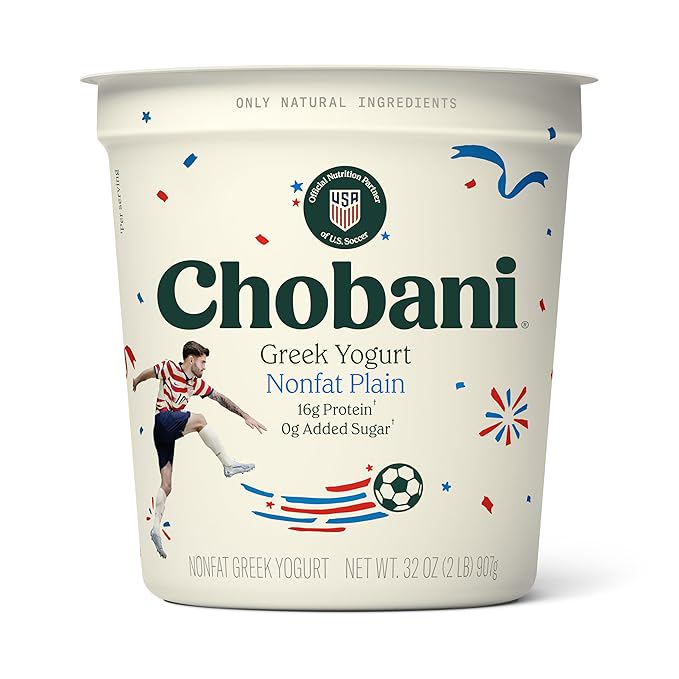
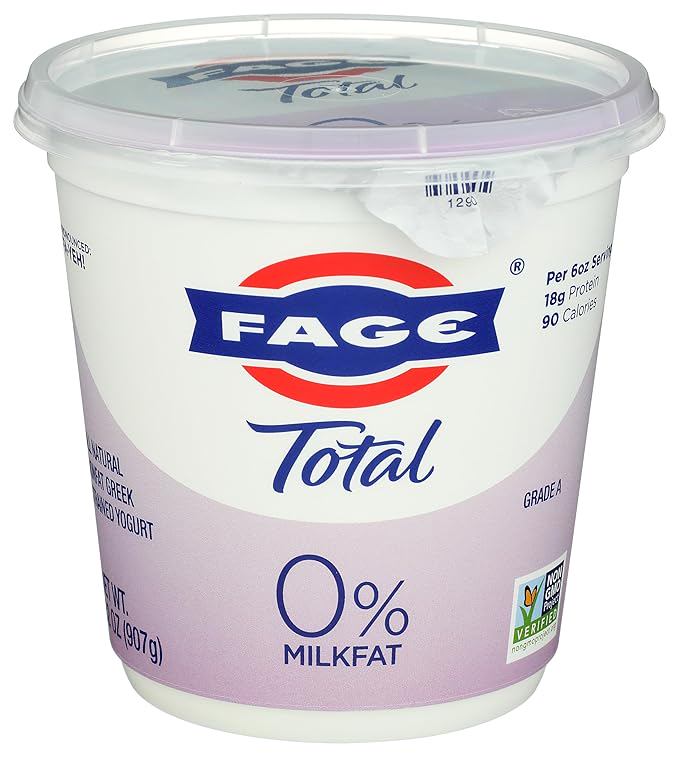
- Greek yogurt or cottage cheese — rich in casein and whey protein.
- Fish like salmon or tuna — bonus omega-3s for reducing inflammation.
- Plant-based options like tofu, tempeh, or edamame — pair them with grains for a complete amino acid profile.
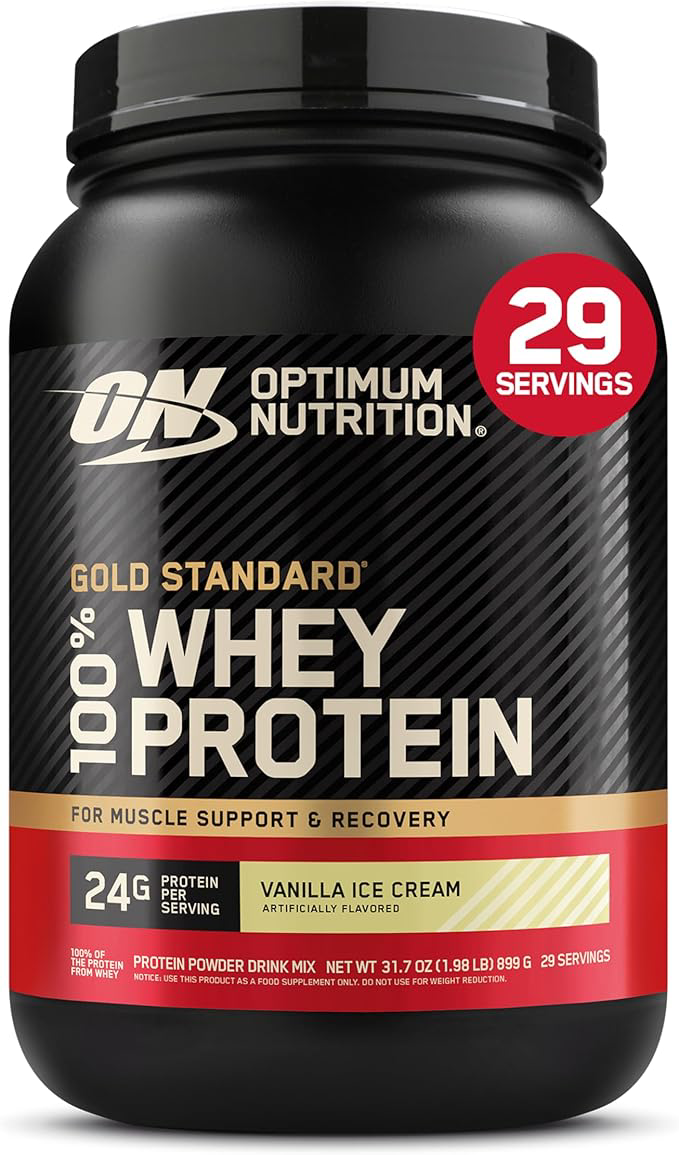
For convenience, a protein shake can be effective, but whole foods offer additional vitamins, minerals, and fiber that supplements don't provide. Dietitians suggest relying on food first and using shakes when you're on the go.
Carbohydrates: don't skip them
If you're only thinking about protein, you're missing half the picture. Carbohydrates replenish glycogen, the fuel your muscles used during exercise. Without enough carbs, your body can break down muscle tissue for energy, which is exactly what you're trying to avoid.
What kind of carbs work best? That depends on how quickly you need energy. For most people, whole food sources are ideal:
- Sweet potatoes or white potatoes
- Brown rice or quinoa
- Oats
- Fruit like bananas, berries, or apples
- Whole grain bread or pasta
Aim for a ratio of about 2:1 or 3:1 carbohydrates to protein for general recovery. If you did a very long or intense session — think a two-hour run or a heavy leg day — lean closer to 3:1. For a moderate workout, a balanced meal with roughly equal protein and carbs works well.
A simple rule: if your workout left you drenched and exhausted, your glycogen stores are low. Prioritize carbs alongside protein.
Fats matter, but timing is flexible
Healthy fats are essential for overall health, but they digest more slowly than carbs and protein. Some older advice suggested avoiding fat right after a workout because it might slow nutrient absorption. Current thinking is more relaxed. A moderate amount of fat in your post-workout meal is fine — it won't hinder recovery for most people. The caveat: a very high-fat meal right after exercise might sit heavy, so stick with moderate portions. Think avocado on toast, a handful of nuts, or a drizzle of olive oil on your roasted vegetables.
Hydration: the fourth macronutrient
Water isn't technically a nutrient, but it's critical for muscle function and recovery. You lose fluid through sweat, and even mild dehydration can impair muscle repair. Drink water consistently throughout your post-workout period. If you sweated heavily (especially in hot weather or during long sessions), consider a drink with electrolytes — but skip the sugary sports drinks unless you’re doing endurance exercise lasting more than an hour.
One easy indicator: check the color of your urine. Pale yellow means you're well hydrated; dark yellow means you need more fluids.
Practical meal ideas for real life
Here are a few combinations dietitians suggest that hit the right balance of protein, carbs, and healthy fats:
- Scrambled eggs with spinach and a side of sweet potato hash — quick to make, packed with protein and complex carbs.
- Greek yogurt parfait with berries, granola, and a drizzle of honey — no cooking required.
- Grilled chicken wrap with whole wheat tortilla, avocado, and mixed vegetables — easy to prep ahead.
- Salmon with roasted broccoli and quinoa — rich in omega-3s and fiber.
- Peanut butter and banana on whole grain toast — about as simple as it gets, and nutritionally solid.
If you're eating a main meal more than two hours after your workout, a small snack immediately after can bridge the gap — a piece of fruit with a handful of almonds, or a glass of milk.
Common mistakes to avoid
Even with good intentions, it's easy to slip into patterns that undermine muscle preservation. Here are a few to watch for:
- Skipping the post-workout meal entirely — your muscles need fuel to recover. Going too long without eating can lead to muscle breakdown.
- Relying only on protein shakes — they're convenient, but whole foods offer a wider range of nutrients. Use shakes as a supplement, not a replacement.
- Overdoing sugary recovery drinks — unless you're doing intense endurance training, you don't need them. They add calories without much nutritional value.
- Eating too little carbohydrate — low-carb approaches can work for everyday life, but after a workout, your muscles need glycogen. Don't skip the carbs.
Everybody is different. What works for one person might not be ideal for another, especially if you have specific health conditions or dietary restrictions. Listening to your body and adjusting portion sizes based on your appetite and energy levels is a practical approach that dietitians endorse.
The bottom line: eating with intention after exercise is one of the simplest ways to support your fitness goals and maintain the muscle you've worked to build. A balanced plate — with protein, carbohydrates, and a little fat — eaten within a few hours of your workout, gives your body exactly what it needs. No complicated rules, just real food that tastes good and keeps you moving.