We have all been there: you climb into bed, exhausted, only to lie awake staring at the ceiling for what feels like hours. That frustrating gap between hitting the pillow and actually drifting off is called sleep latency. While many sleep tips focus on what to avoid before bed, a growing body of research suggests that what you eat—and precisely when you eat it—can play a significant role in helping you fall asleep faster.
The sweet spot, according to sleep nutritionists and chronobiologists, appears to be about three hours before bedtime. This timing allows your body to complete the initial stages of digestion, preventing disruptive bloating or blood sugar spikes while still providing the raw materials your brain needs to transition into rest. Here is a look at the specific foods and nutrients that experts recommend for trimming down that latency period.
The Science of the Three-Hour Window
Digestion is an active metabolic process. When you eat a large meal right before sleeping, your body remains in a state of high alert, diverting energy to the stomach and intestines instead of allowing your core temperature to drop—a key physiological signal for sleep. Eating too early, on the other hand, may leave you hungry by midnight.
Eating a targeted snack or meal roughly three hours prior to bed strikes a unique balance. It ensures your blood glucose is stable, your stomach is not empty, and key sleep-promoting compounds have time to cross the blood-brain barrier.
Key Nutrients That Support Sleep Onset
Experts highlight several specific compounds that directly influence the sleep-wake cycle. The goal is to include them in your pre-bed snack without overloading on calories or sugar.
Magnesium
Often called the relaxation mineral, magnesium helps regulate the parasympathetic nervous system (the rest-and-digest mode) and supports GABA production, a calming neurotransmitter. Studies suggest magnesium deficiency is linked to insomnia. A small portion of magnesium-rich food can quiet a racing mind.
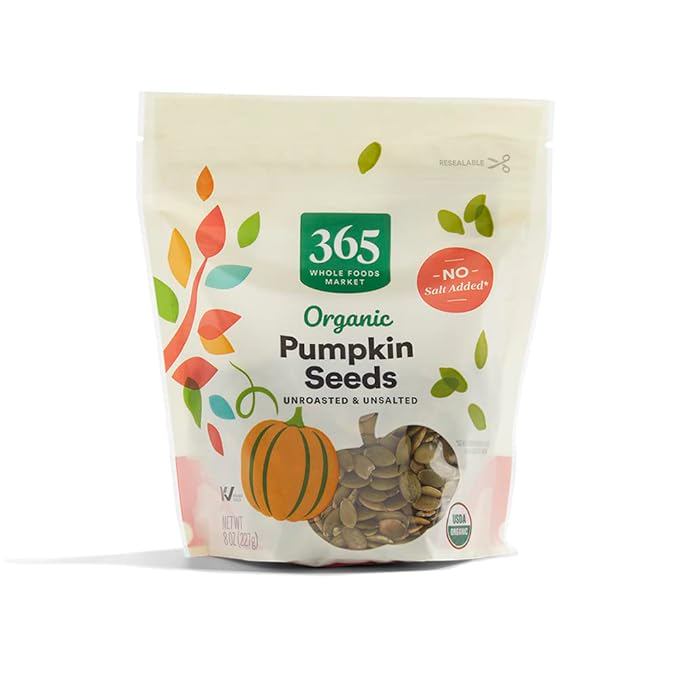
Good sources for a 3-hour window: A handful of pumpkin seeds, a small banana, or a thin slice of whole-grain toast with a drizzle of tahini.
Tryptophan
Tryptophan is an essential amino acid that the body converts into serotonin and then into melatonin. While most famously found in turkey, combining it with a small amount of complex carbohydrate helps shuttle it into the brain more efficiently.
Smart pairings: A few tablespoons of Greek yogurt with a quarter-cup of cherries, or a small glass of warm milk (which, anecdotally, has real merit).
Potassium and Vitamin B6
Potassium helps relax muscles and supports nerve signaling, while vitamin B6 is a cofactor needed to convert tryptophan into serotonin. Bananas are a power player here, offering both. Kiwis are also unique; research has shown that eating two kiwis an hour before bed can significantly improve sleep onset time, likely due to their high concentration of serotonin and antioxidants.
Practical Mini-Meals and Snacks for Faster Sleep
Avoid heavy, high-fat, or spicy foods in this window. Fat takes a long time to digest, and spices can cause an irritating rise in core body temperature. You are aiming for a light, balanced combination that is roughly 150 to 250 calories. Here are a few specific options that experts frequently recommend.
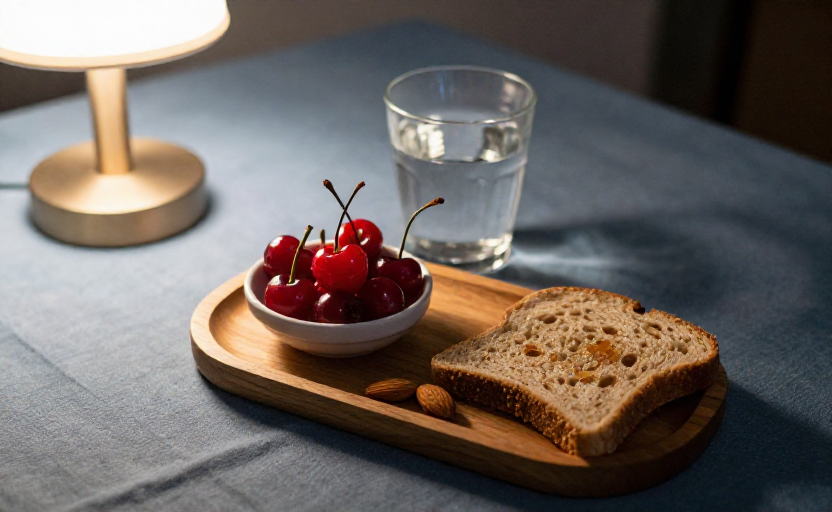
- Cherry and Almond Bowl: Half a cup of tart cherries (fresh, frozen, or unsweetened juice) with a dozen almonds. Tart cherries are one of the few natural food sources of melatonin.
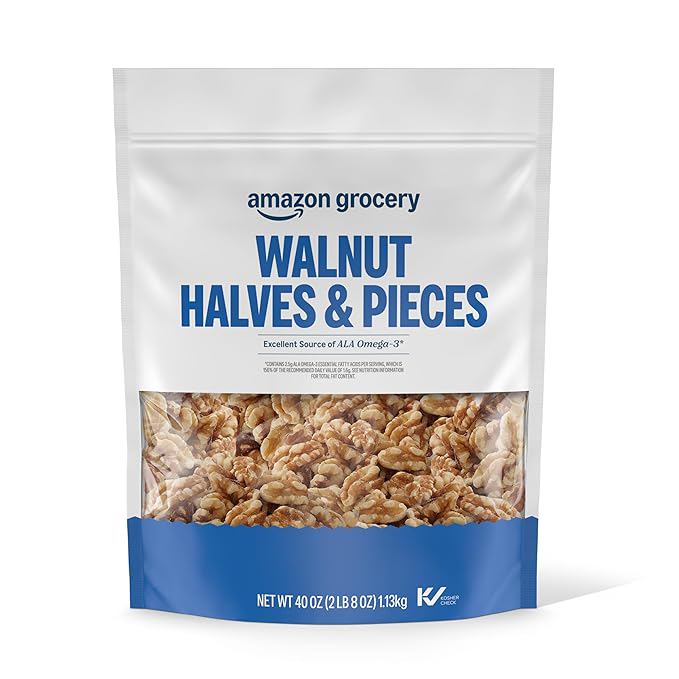
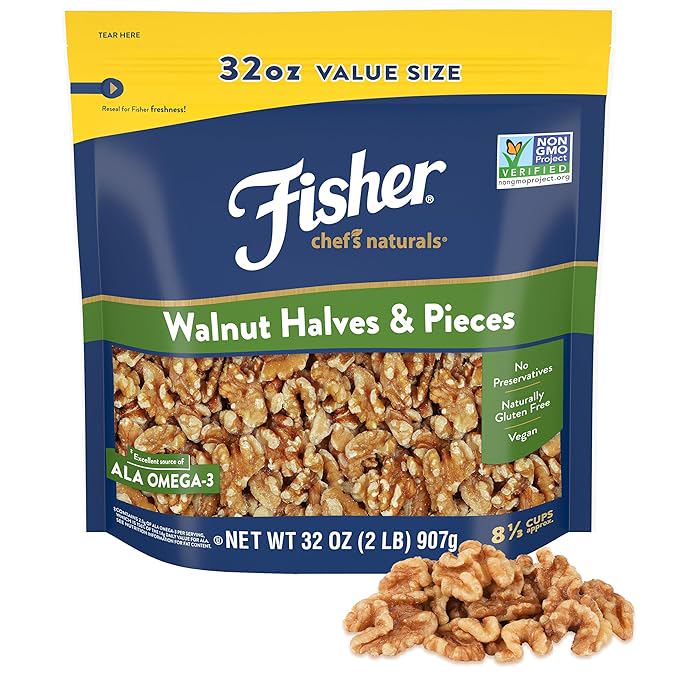
- Banana and Walnut Bites: Half a banana sliced, topped with a few walnut pieces. The walnuts provide omega-3 fatty acids, which have been linked to better sleep regulation.
- Warm Oatmeal (a small serving): Half a cup of cooked oats made with water or milk. Oats are a natural source of melatonin and complex carbohydrates that support steady blood sugar.
- Plain Popcorn: Three cups of air-popped popcorn (no heavy butter) provides a light, crunchy complex carbohydrate that promotes calm without being heavy.
A quick caveat on timing: If you need to eat closer to two hours before bed, keep the portion very small (think a single kiwi or a few almonds). If you eat a full meal, keep the window closer to four hours. The three-hour mark is a flexible target, not a hard rule.
Foods to Avoid in the Three-Hour Window
Just as important as what to eat is what to skip. Certain items can directly sabotage your sleep latency even if they seem healthy.
High-sugar desserts and refined carbs cause a rapid blood sugar spike followed by a crash. That crash can trigger the release of adrenaline and cortisol, waking you up or making sleep feel restless. Spicy foods containing capsaicin can interfere with thermoregulation, making it harder for your body to cool down. Caffeine has a half-life of roughly five to six hours, meaning a 2:00 PM coffee might still be active at 8:00 PM, disrupting sleep onset. Alcohol is a classic trap: it might make you feel drowsy initially, but it fragments sleep cycles and increases the likelihood of waking up during the night.
Why Hydration Timing Matters
Drinking a large glass of water right before bed will inevitably lead to a middle-of-the-night bathroom run, which extends sleep latency and disrupts sleep architecture. However, being dehydrated has its own negative effects, including leg cramps and dry mouth that can keep you awake.
The solution is to front-load your hydration. Drink plenty of water early in the day, and taper off in the two hours before sleep. If you are eating a snack three hours before bed, have a small sip of water with it, but avoid gulping down a large volume.
Ultimately, the best food for shortening sleep latency is the one that fits your personal digestive comfort and routine. Consistency matters more than a single perfect snack. When you pair a small, nutrient-dense pre-bed snack with consistent sleep and wake times, your body learns the rhythm—and you spend less time waiting for sleep to arrive.