
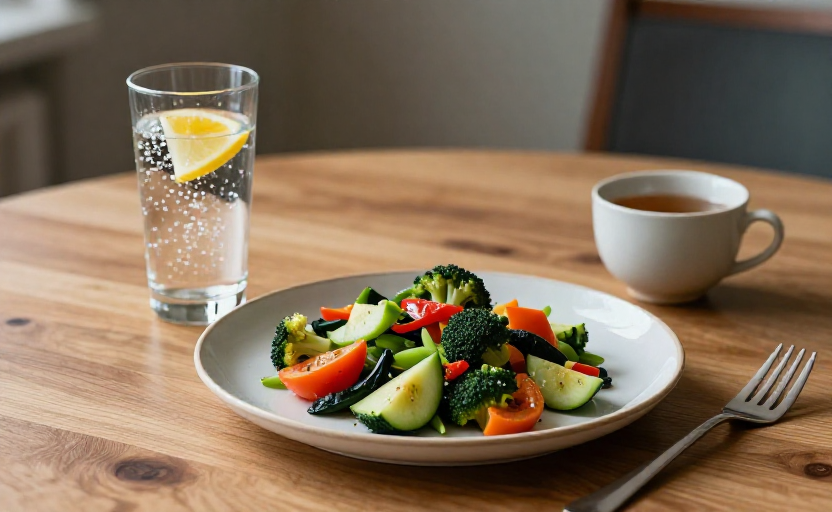
The ritual of sitting down to a meal is about more than the food on your plate. What you choose to sip alongside those bites plays a surprising role in how you experience your food, how full you feel, and how your body handles digestion. Mindful eating isn't just about chewing slowly or putting down your fork between bites—it extends to the cup in your hand.
Most national nutrition guidelines, including the Dietary Guidelines for Americans, stress the importance of hydration throughout the day. But they also point to a quieter truth: the right beverage at mealtime can support satiety, encourage a slower pace, and keep your focus on the present moment. Here is what the evidence suggests.
Why plain water is the gold-standard mealtime drink
From a purely physiological standpoint, water is the only beverage the body truly needs to perform digestion efficiently. It helps break down soluble fiber, moves food smoothly through the gastrointestinal tract, and plays a role in nutrient absorption. But there is a mindful eating angle here too.
When you sip water between bites rather than gulping it down, you create a natural pause. That pause gives your brain time to register satiety signals from your stomach. Research published in Appetite found that people who drank a glass of water before or during a meal reported feeling fuller and consumed fewer calories overall—not because water flushes out fat, but because it provides a gentle physical cue that the meal is progressing.
A practical tip: Keep a glass of still or sparkling water on the table and take a sip after every third or fourth bite. This simple rhythm slows your eating rate and helps you tune into flavor and texture.
Sparkling water is just as effective as still in terms of fullness, so if bubbles help you feel more satisfied at a meal, there is no reason to avoid them. Just be mindful of added sugars, artificial sweeteners, or sodium in flavored seltzers.
Unsweetened tea and coffee: fine in moderation
Both black coffee and unsweetened tea have well-documented antioxidant benefits and can be part of a mindful meal—with a few caveats. Caffeine is a mild stimulant, and for some people it can increase gastric acid secretion, which may cause discomfort if consumed in large amounts on an empty stomach. But with food, this effect is usually blunted.
The real issue with coffee and tea at meals, at least from a mindfulness perspective, is temperature. Scalding-hot drinks encourage haste. You sip quickly, burn your tongue, and lose awareness of the food in your mouth. Let your tea or coffee cool to a warm-but-comfortable temperature so you can take small, deliberate sips.
If you are trying to practice mindful eating, choose unsweetened varieties. Added sugar in sweetened iced tea or flavored lattes can dull your palate over time and make it harder to detect subtle flavors in whole foods.
Milk and plant-based milks: creamy options with a nutrient boost
A glass of cow's milk with a meal provides protein, calcium, and vitamin D, which can be especially beneficial for bone health. For many people, the creamy texture and mild flavor create a comforting, familiar pairing that naturally slows the meal. Plant-based milks like unsweetened soy, almond, or oat milk can serve a similar role, though nutritional profiles vary widely.
From a mindful eating perspective, milks offer something water does not: a calorie-dense liquid that contributes to satiety. If you find yourself feeling hungry shortly after a meal, swapping water for a small glass of plain milk might help stabilize appetite. The key is to keep portions moderate—roughly 4 to 8 ounces—so you do not displace room for nutrient-dense foods on your plate.
Fermented beverages: kefir and kombucha at the table
Fermented dairy drinks like kefir and unsweetened kombucha have gained popularity as gut-friendly options. They contain live probiotics, which may support digestive health when consumed regularly. But they are not a replacement for water or milk in every meal. Their tangy, acidic profiles can clash with certain foods—think delicate fish or mild grains—so they pair best with robust dishes like spicy curries or grilled meats.
Mindful eating is about sensory awareness, so pay attention to how a fermented beverage tastes alongside the food. If the flavors compete or cause an unpleasant reaction, it may be better to enjoy kefir or kombucha as a standalone snack rather than a mealtime companion.
Drinks that work against mindful eating
Some beverages are actively counterproductive if your goal is to eat slowly and with intention.
- Sugary sodas and fruit drinks: These provide a rapid spike in blood sugar followed by a crash, which can trigger cravings and disrupt the steady energy that helps you stay present during a meal. They also tend to be consumed quickly, bypassing the kind of sipping rhythm that water supports.
- Alcohol: A glass of wine or beer may feel relaxing, but alcohol can lower inhibition around portion sizes and dull your awareness of fullness cues. The Dietary Guidelines for Americans recommend limiting alcohol to one drink per day for women and two for men, and if you do drink with meals, sip slowly and alternate with water.
- Energy drinks and highly caffeinated beverages: These can create a jittery state that makes it hard to sit still and focus on the taste and texture of food. They have no place in a mindful meal.
How to choose the right drink for your meal
There is no single perfect beverage for every person or every meal. Instead, ask yourself three questions before you pour:
- Does this drink complement or overpower the flavors on my plate?
- Will it help me slow down and pay attention, or encourage me to rush?
- Is it adding unnecessary sugar, calories, or stimulants that I do not want right now?
The answers will guide you toward water most of the time, with occasional room for unsweetened tea, coffee, or milk. Mindful eating is not about rigid rules—it is about making conscious choices that align with your body's needs in the moment. Your drink can be part of that awareness.
Ultimately, the best mealtime drink is the one that keeps you hydrated, supports digestion, and helps you stay present with your food. That is almost always plain water, but a small glass of milk or a cup of unsweetened tea can work beautifully too. The goal is not perfection—it is intention.