After a tense conversation, a difficult meeting, or an encounter with someone who drains your energy, your body often feels it first. Your shoulders tighten, your thoughts race, and your nervous system can feel wired or completely wiped out. While you cannot always control who you interact with, you can take small, deliberate steps to help your body return to a calmer state. One of the simplest and most accessible tools is choosing the right beverage.
What you drink after a stressful or toxic interaction can gently guide your nervous system out of fight-or-flight mode and toward a state of rest and repair. This is not about a quick fix or a magic elixir—it is about using hydration, specific nutrients, and calming rituals to support your body's natural recovery process. Below are several drinks that research and traditional wisdom suggest can be helpful for restoring balance after emotional strain.
Why your nervous system needs support after a difficult encounter
When you experience a stressful social interaction, your sympathetic nervous system activates—often called the "fight, flight, or freeze" response. Cortisol and adrenaline surge, heart rate increases, and digestion slows. This response is designed for short-term survival, but when it lingers, it can leave you feeling exhausted, irritable, or unable to focus.
The parasympathetic nervous system, sometimes called the "rest and digest" branch, is what helps you calm back down. Certain drinks can actively support this shift by providing compounds that reduce cortisol, hydrate tissues stressed by tension, or signal safety to the brain. The goal is not to numb or escape the feeling but to give your body the raw materials it needs to regulate itself.
Warm chamomile tea: a gentle signal to slow down
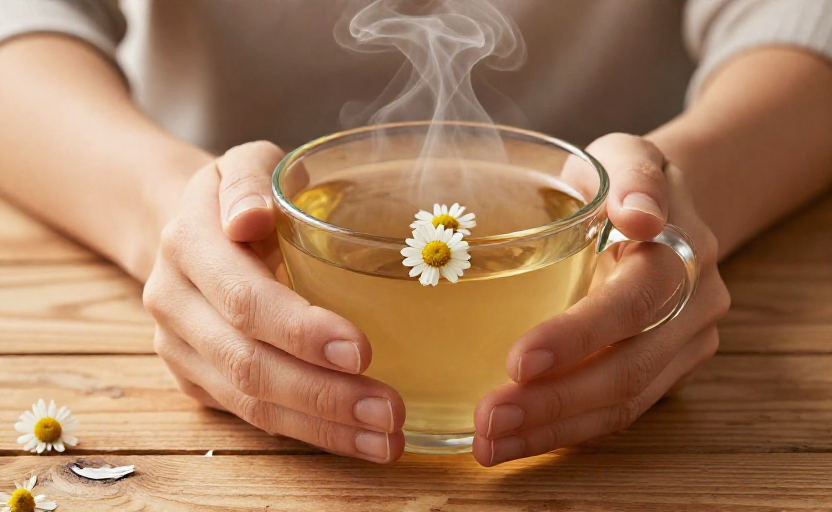
Chamomile tea is one of the most well-studied beverages for promoting calm. It contains apigenin, an antioxidant that binds to benzodiazepine receptors in the brain, producing a mild sedative effect without the risks of medication. After a toxic interaction, sipping a warm cup of chamomile can help lower the volume on racing thoughts and reduce muscle tension.
Research also indicates that long-term use of chamomile extract can significantly reduce symptoms of generalized anxiety disorder. While a single cup will not erase the effects of a difficult encounter, it can act as a ritualized pause—a physical signal to your body that the threat has passed. For best results, steep a quality chamomile tea bag or loose flowers in hot water for five to ten minutes, and drink it slowly, away from screens or distractions.
Green tea for L-theanine: focused calm without drowsiness
Green tea contains L-theanine, an amino acid that promotes a state of calm alertness. Unlike the sedation of chamomile, L-theanine encourages alpha brain wave activity—the same pattern associated with meditation and relaxed focus. This can be particularly useful if you need to process what happened or return to work after a stressful interaction, rather than nap.
Studies show that L-theanine can reduce subjective stress responses and lower heart rate during stressful tasks. A cup of green tea after a toxic encounter may help you feel more grounded and clear-headed, without the jitters that coffee can sometimes amplify. If you are sensitive to caffeine, look for a green tea that is lower in caffeine, or opt for a decaffeinated version, which still retains significant L-theanine.
Hydration with electrolytes: resetting the physical toll
Stress depletes the body. When you are tense, you breathe more shallowly, you may sweat more, and your cells work harder to maintain balance. Replenishing fluids is a fundamental but often overlooked step. Plain water is good, but water with electrolytes—sodium, potassium, and magnesium—can be more effective at restoring cellular hydration after a stress response.
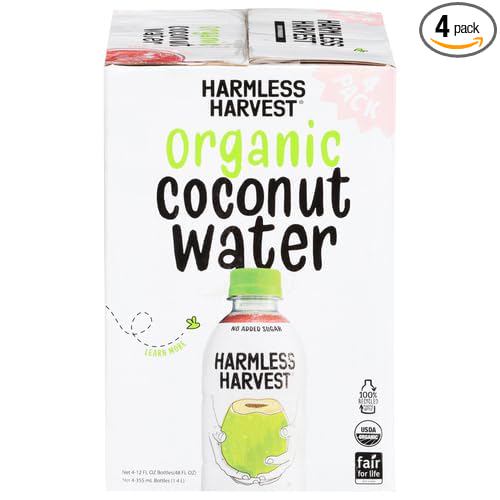
Coconut water is a natural source of potassium and magnesium, making it a gentle choice for rehydration. Alternatively, you can add a pinch of high-quality sea salt and a squeeze of lemon to warm water. The salt helps your body retain fluid and supports adrenal function, while lemon provides vitamin C, which is used by the adrenal glands during stress. This simple drink is not a cure, but it addresses the basic physiological deficit that stress creates.
Golden milk (turmeric latte): an anti-inflammatory nightcap
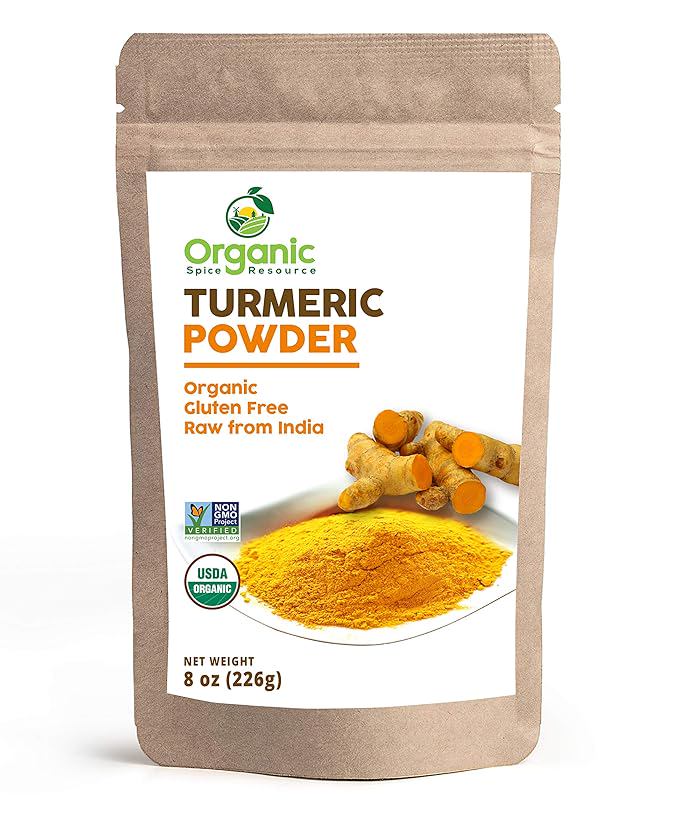
Inflammation is a hidden consequence of psychological stress. Cytokines, which are inflammatory markers, can rise after emotional strain, contributing to brain fog and fatigue. Golden milk—a warm blend of turmeric, black pepper, and a milk of your choice—offers curcumin, a potent anti-inflammatory compound.
Black pepper dramatically increases curcumin absorption, and the fat in milk (dairy or plant-based) helps it dissolve. A warm cup in the evening can serve a dual purpose: reducing stress-related inflammation and providing a comforting bedtime ritual. If you prefer a caffeine-free option, this is an excellent choice, as it contains no stimulants and pairs well with a magnesium-rich supplement if you choose to take one.
A quick caveat: While these drinks can support your nervous system, they are not substitutes for professional mental health care. If you experience persistent anxiety, panic attacks, or symptoms of post-traumatic stress after certain interactions, please seek guidance from a healthcare provider or therapist.
What to avoid drinking after a toxic interaction
It is equally important to know what to skip. Caffeinated coffee or energy drinks can amplify the jittery, hyper-aroused state your nervous system is already in. Alcohol, while it may feel relaxing initially, disrupts sleep architecture and can increase anxiety as it wears off. Sugary sodas or fruit juices cause blood sugar spikes and crashes, which worsen mood instability.
Stick to beverages that are low in sugar, free of stimulants, and hydrating. Your nervous system is already working hard to recalibrate—do not add extra metabolic challenges.
Building a post-interaction ritual
The drink itself matters, but so does the act of making it. Taking three to five minutes to boil water, steep tea, or prepare a warm cup can be a mindfulness practice. Use that time to breathe deeply, notice the sensation of warmth in your hands, and let go of the mental replay of the conversation. This combination of a supportive beverage and a conscious pause is more powerful than either alone.
You can also keep a few pre-portioned tea bags or electrolyte packets at your desk or in your bag so the ritual is easy to access when you need it most. Consistency matters more than perfection—even one intentional cup can shift the trajectory of your recovery after a draining interaction.