
You have a difficult conversation coming up — maybe it is with a partner about finances, a colleague about a missed deadline, or a family member about boundaries. Your stomach knots up, your thoughts race, and your mouth goes dry. Before you speak, you might reach for a glass of water or a cup of coffee. But what you drink in those minutes matters more than you think. The right beverage can steady your nerves, sharpen your focus, and literally strengthen the connection between your brain and your body, so you can say what needs to be said with clarity and calm.
Why the mind-body connection matters in tense talks
When stress hits, your nervous system shifts into a fight-or-flight state. Your heart rate climbs, your breathing becomes shallow, and your prefrontal cortex — the part of your brain responsible for rational thought and impulse control — takes a back seat. That is why you may say something you regret, freeze up, or cry when you did not plan to. Restoring balance requires more than willpower. It requires grounding the body so the mind can follow. Certain drinks contain compounds that actively support this process, helping to lower cortisol, improve blood flow to the brain, and create a sense of steadiness before you even open your mouth.
Warm herbal tea with adaptogens
Chamomile is famous for its calming effect, but for a hard conversation you want something with a bit more targeted support. Look for teas containing adaptogenic herbs like holy basil (tulsi), ashwagandha, or lemon balm. Adaptogens help the body regulate cortisol and bring the nervous system back to equilibrium without drowsiness. A warm cup of tulsi tea about 20 minutes before a discussion can reduce that jittery edge and keep your mind from spiraling into worst-case scenarios. Avoid black tea or green tea if you are already anxious — the caffeine can amplify the stress response and make it harder to stay centered.
Warm water with lemon and a pinch of salt
This sounds almost too simple, but it works for a few physiological reasons. Dehydration — even mild — impairs cognitive function, increases irritability, and makes emotional regulation harder. Warm water with a squeeze of lemon provides hydration and a small dose of vitamin C, which is known to lower cortisol levels. Adding a tiny pinch of high-quality salt (such as pink Himalayan salt or sea salt) supplies electrolytes that support nerve signaling and blood pressure stability. When your body is hydrated and your electrolytes are balanced, your brain can process information more clearly and your voice stays steady. Sip this 10–15 minutes before the conversation to feel grounded and present.
Golden milk (turmeric latte)
Golden milk — a warm blend of milk (dairy or plant-based), turmeric, black pepper, and a touch of ginger or cinnamon — is an ancient drink with modern science behind it. Turmeric contains curcumin, a compound with potent anti-inflammatory and antioxidant properties. Stress triggers systemic inflammation, which can fog your thinking and heighten emotional reactivity. By reducing that inflammation, golden milk helps you think more clearly and react less impulsively. The black pepper is essential — it dramatically increases curcumin absorption. Ginger adds a mild warming effect that can soothe anxiety-related nausea, common before tough talks. This drink works best as a pre-conversation ritual, not something you gulp down in the car. Let the warmth and spice bring you into your body and out of your racing thoughts.
Beetroot juice
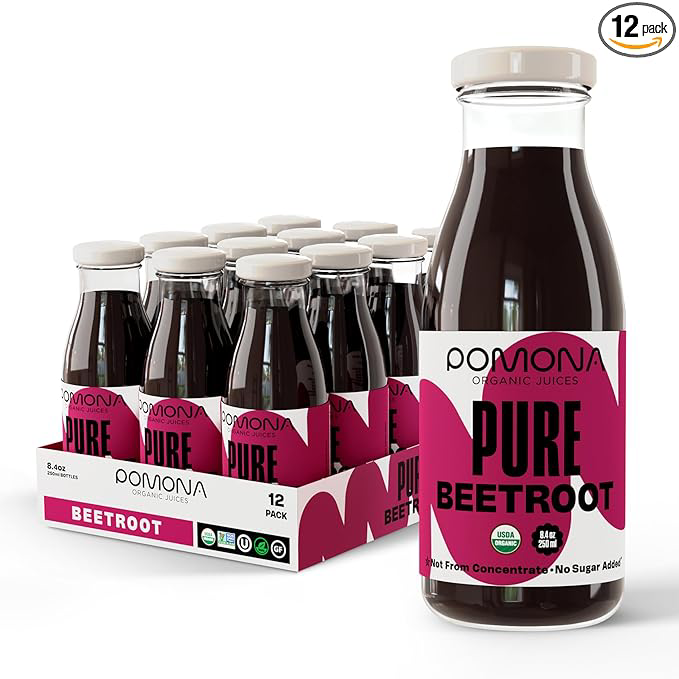
Beetroot juice is rich in dietary nitrates, which your body converts into nitric oxide. Nitric oxide relaxes blood vessels, improves circulation, and increases blood flow to the brain. Better blood flow means more oxygen and nutrients reach the areas of the brain responsible for focus, emotional control, and verbal fluency. A small glass of beetroot juice (about 4–6 ounces) 30 minutes before a tough discussion can give you a subtle cognitive edge that feels like mental sharpness, not nervous energy. Unlike caffeine, beetroot juice does not spike adrenaline. It supports calm alertness. If you dislike the earthy taste, blend it with a little apple or carrot for sweetness — but keep the serving small so your stomach does not feel full or heavy.
Coffee and energy drinks: what to avoid
It is tempting to grab a coffee for a quick jolt of confidence, but caffeine works against you in high-stakes conversations. It raises cortisol, speeds up heart rate, and can make you feel more anxious or irritable. Energy drinks are even worse — the combination of caffeine, sugar, and stimulants like taurine can create a crash mid-conversation or amplify emotional reactivity. If you are used to morning coffee, do not suddenly quit before a talk (that can cause withdrawal headaches). Instead, switch to half-caff or drink a full glass of water with your coffee to buffer the side effects. The goal is to enter the conversation with a steady baseline, not a spike-and-crash cycle.
How to time your drink for the best effect
Timing matters almost as much as what you choose. Plan to finish your drink 10–15 minutes before the conversation begins. This gives your body time to absorb the nutrients and signal safety to your nervous system. If you drink too early, the effects may fade. If you drink right at the moment you start talking, your focus is divided. Use the sipping period as a mindful pause — no phone, no rehearsing lines. Just breathe, feel the warmth or coolness of the drink in your hands, and let the liquid ground you in the present moment. That simple act of intentional drinking is itself a mind-body exercise.
A quick note for sensitive stomachs: If you have acid reflux, IBS, or other digestive sensitivities, try these drinks at a neutral time first — not right before an important talk. Herbal teas and warm lemon water are generally gentle, but golden milk and beetroot juice can trigger symptoms in some people.
The bigger picture: drinks as part of a preparation ritual
No single drink will make a difficult conversation easy. But when you pair a thoughtful beverage choice with a few minutes of slow breathing, a quick walk, or a grounding exercise, you send a powerful signal to your brain and body: I am safe, I am prepared, I can handle this. Over time, these small rituals become cues that your nervous system learns to trust. The drink is not a magic fix — it is a tool. And tools work best when you use them with intention.