When you're navigating a heavy period, it can feel like your body is working overtime. Beyond the cramps and fatigue, there's a significant physical process happening that demands extra support—especially when it comes to hydration. Losing more fluid than usual can leave you feeling drained, headachy, and just plain off. While reaching for a sanitary pad might be your first thought for management, reaching for the right drink is a powerful, often overlooked, way to care for yourself from the inside out.
Staying well-hydrated helps your body manage the physiological demands of menstruation more comfortably. It can ease headaches, combat fatigue, and help maintain your energy levels. But not all beverages are created equal when your body needs gentle, effective replenishment.
Why Hydration Matters More on Heavy Flow Days
During menstruation, your body loses blood and fluid. On heavier days, this loss is more pronounced. Even if it doesn't seem like a vast amount, this shift can disrupt your fluid balance, leading to subtle dehydration. This isn't about dramatic thirst; it's about your cells and systems having what they need to function smoothly.
Mild dehydration can amplify common period symptoms. It can make headaches feel sharper, increase feelings of lethargy, and even contribute to muscle cramping. By consciously sipping the right fluids, you're giving your body a fundamental tool to cope, recover, and find its equilibrium.
Your Go-To Hydration Menu
Think of your drink choices as part of your self-care toolkit for the week. The goal is to replenish not just water, but also electrolytes—minerals like sodium, potassium, and magnesium that are lost in bodily fluids and are crucial for nerve function and muscle relaxation.
Water: The Obvious (And Best) Foundation
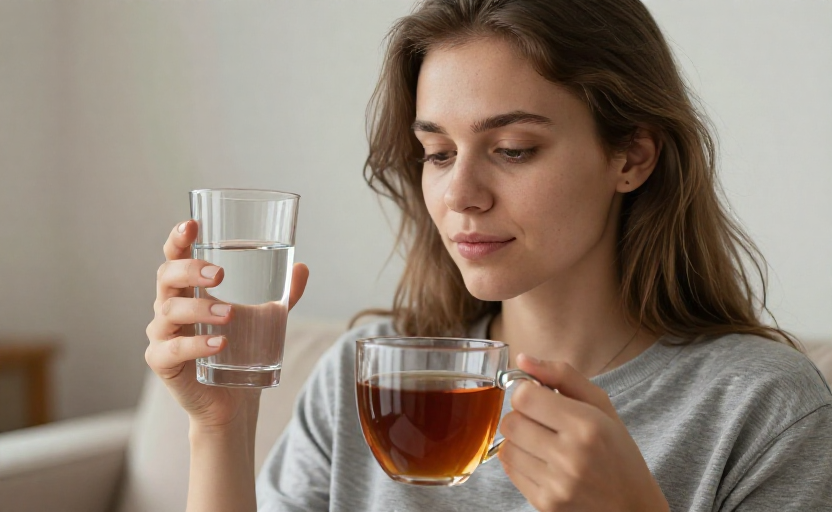
Plain water is always the gold standard. It's exactly what your body needs without any additives. If you find it boring, try keeping a dedicated water bottle at your desk or in your bag as a visual reminder to sip throughout the day. Infusing it with a few slices of cucumber, a sprig of mint, or some lemon or orange slices can make it more appealing without adding sugar.
Your baseline goal is your usual daily water intake, plus a few extra glasses on your heaviest days. Listen to your body—if you feel thirsty or notice dark yellow urine, you need more.
Electrolyte-Enhanced Waters & Natural Alternatives
For a direct boost, look for plain electrolyte waters or tablets that dissolve in water. Choose options with no or very low sugar. A more natural approach is coconut water, which is rich in potassium. Just be mindful of the natural sugar content and opt for versions without added sweeteners.
Herbal Teas for Warmth and Comfort
A warm mug can be deeply soothing for cramps and a sense of overall unease. Certain herbal teas offer a double benefit:
- Ginger tea: Known for its anti-inflammatory properties, it may help soothe an upset stomach and ease cramping.
- Peppermint tea: Can help relax digestive muscles and alleviate bloating.
- Chamomile tea: Promotes relaxation and may help with sleep, which is often disrupted during your period.
These are all excellent, caffeine-free ways to increase your fluid intake while addressing other symptoms.
Broth-Based Soups
Don't overlook hydration you can eat. A warm bowl of clear vegetable, chicken, or bone broth is comforting, provides easy-to-digest nutrients, and contributes significantly to your fluid and electrolyte intake for the day. The sodium in broth helps your body retain the fluids you're drinking.
What to Limit or Avoid
Some beverages can work against your hydration goals or exacerbate symptoms.
- Caffeine: Found in coffee, black tea, many sodas, and energy drinks, caffeine is a diuretic. It can increase urine output, potentially leading to further fluid loss. If you can't skip your morning coffee, try to limit it to one cup and balance it with plenty of water.
- Alcohol: Alcohol is also dehydrating and can worsen bloating and mood swings. It's best avoided, especially on your heaviest days.
- Sugary Sodas and Juices: The high sugar content can cause blood sugar spikes and crashes, worsening fatigue and cravings. They're poor substitutes for effective hydration.
Listening to Your Body's Signals
Hydration isn't about forcing gallons of water. It's about consistent, mindful intake. Pay attention to cues like the color of your urine (aim for pale yellow), feelings of thirst, dry mouth, or headache. Fatigue and dizziness can also be signs. Keep a drink you enjoy within reach, and take small sips regularly rather than chugging large amounts infrequently.
Remember, your nutritional needs are also slightly higher during your period, particularly for iron. Pairing your hydration strategy with iron-rich foods like leafy greens, lentils, and lean red meat can help you feel more resilient. If you experience extremely heavy bleeding (soaking through a pad or tampon every hour for several hours), or severe symptoms like dizziness that doesn't improve with rest and fluids, it's important to consult a healthcare provider.
Ultimately, choosing what to drink during a heavy period is a simple yet profound act of self-care. It’s a way to honor what your body is doing and to provide it with the basic, essential support it needs to carry you through.