Nausea is one of the most common side effects people report when starting a weight loss medication. While your body adjusts to a new GLP-1 or similar prescription, that queasy feeling can throw off your appetite, your energy, and your daily routine. The good news: small changes in what you sip throughout the day can make a real difference. Here, experts share what to drink to reduce nausea from weight loss medications—and what to avoid.
Why fluids matter when you feel sick
Staying hydrated is always important, but when you're nauseated, the fear of triggering another wave of discomfort often leads people to stop drinking altogether. That can backfire. Dehydration can worsen nausea, leave you lightheaded, and make it even harder to keep food down. The key is choosing beverages that settle rather than disturb your stomach, and drinking them in small, slow sips.
Ginger tea tops the list
Ginger has been used for centuries to ease nausea, and modern research supports it. Compounds called gingerols and shogaols help calm the stomach. A warm cup of ginger tea, made from fresh grated ginger or a quality tea bag, is gentle on the system and can reduce queasiness within 20–30 minutes. Avoid adding much sweetener, and keep the tea weak if strong flavors bother you.
Expert tip: Let the ginger steep for five minutes. Drink it warm, not hot, to avoid irritating an already sensitive stomach.
Peppermint tea for a cooling effect
Peppermint tea is another go-to. The menthol in peppermint leaves acts as a natural antispasmodic—it relaxes the stomach muscles and can ease the cramping that sometimes accompanies nausea. Like ginger tea, it's caffeine-free and shouldn't be sipped too fast. If you find the taste strong, try blending it with a mild rooibos or a slice of lemon.
Clear electrolyte drinks
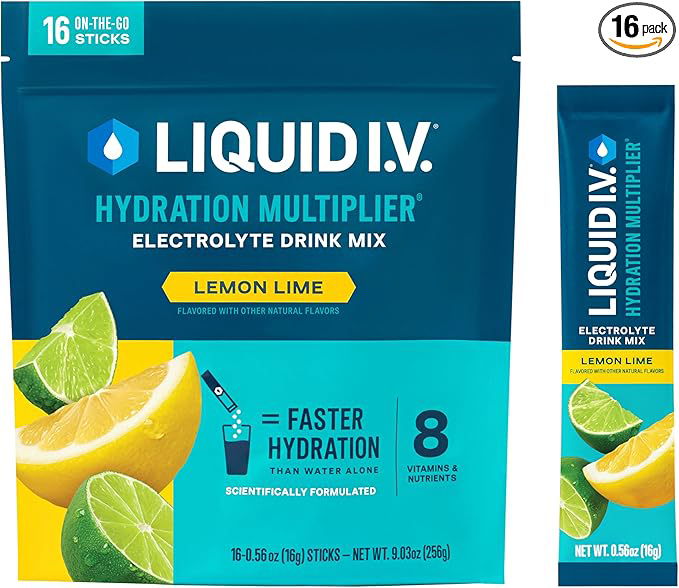
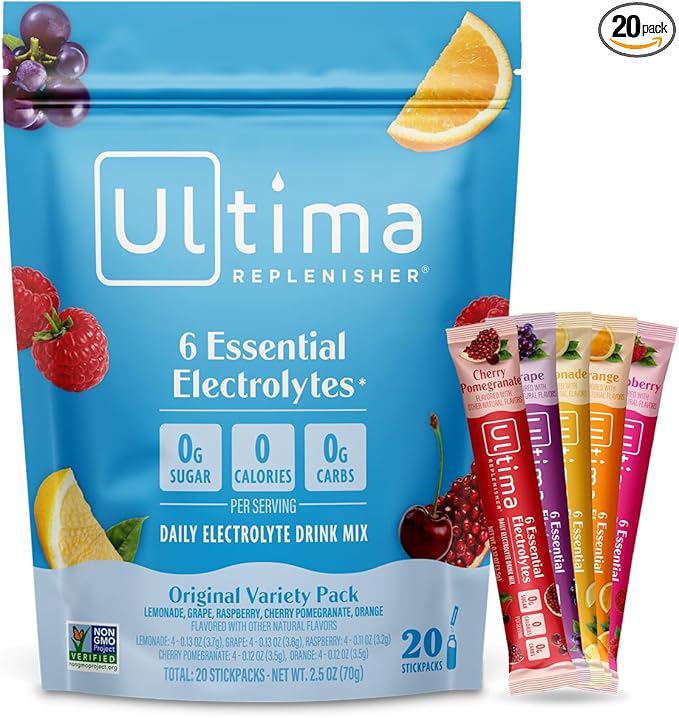
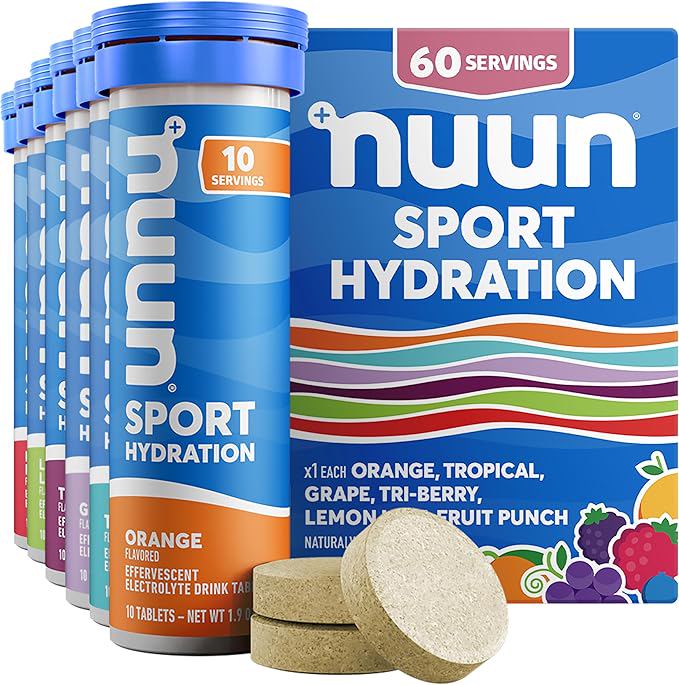
When you're struggling to eat much, your electrolyte balance can slip. Instead of reaching for bright, sugary sports drinks, choose a clear, low-sugar electrolyte beverage. Look for options with potassium and sodium but without artificial dyes or excess glucose. Some people also tolerate coconut water, though its taste may feel too sweet when you're nauseated. Sip slowly, about a quarter cup at a time.
Ice chips and frozen hydration
Sometimes even room-temperature liquid feels like too much. Sucking on ice chips or small frozen fruit cubes can provide hydration without triggering a gag reflex. You can freeze diluted electrolyte drinks or weak herbal tea into cubes for a double benefit. This approach works especially well in the first hour or two after taking your medication.
Water with lemon or cucumber
Plain water can sometimes feel heavy on a queasy stomach. A few slices of lemon or cucumber add a subtle, fresh taste that may make it easier to sip. Lemon's natural acidity can also stimulate digestive enzymes gently, though if you have acid reflux, you may want to skip the citrus and stick with cucumber.
What to avoid drinking
Not all liquids are helpful. The following tend to worsen nausea in many people taking weight loss medications:
- Caffeinated coffee and black tea – Caffeine can stimulate the stomach and lead to more acid production, making queasiness worse.
- Carbonated beverages – Even flat soda or sparkling water can cause bloating and burping, which can trigger nausea in a sensitive gut.
- Sweetened fruit juices – High sugar content can cause a rapid rise and then drop in blood sugar, leaving you feeling more sick.
- Alcohol – Alcohol dehydrates and can interfere with how your medication works, apart from directly irritating your stomach lining.
Tips for timing your drinks
How you drink matters as much as what you drink. Try these strategies:
- Sip slowly over 30–60 minutes rather than drinking half a glass at once.
- Drink between meals rather than with meals to avoid filling an already queasy stomach.
- If you take your medication in the morning, start your day with a few sips of ginger tea before you take the pill.
- Keep a small water bottle or thermal cup nearby, so you're gently reminded to keep hydrating.
When to talk to your doctor
Nausea that persists beyond the first few days, causes vomiting, or prevents you from keeping down fluids should be discussed with your healthcare provider. They may adjust your dose, suggest a different timing, or recommend an anti-nausea medication that works alongside your weight loss prescription. The goal is to make the medication tolerable so you can stick with it and see results.
Small changes in your beverage choices can bring noticeable relief. Stick with gentle, caffeine-free, low-sugar options, sip slowly, and give your body a few days to adjust.