When menstrual cramps arrive, the last thing you might want to do is reach for a drink. But what you choose to sip can be a surprisingly effective tool for easing that familiar ache. Beyond just staying hydrated, certain beverages contain natural compounds that help relax uterine muscles, reduce inflammation, and provide a moment of calm comfort.
This isn't about a magic cure, but about using simple, warm hydration to support your body through a natural process. Let's explore the teas and hydrating options that can offer genuine relief.
How hydration helps with menstrual cramps
It might seem too simple, but proper hydration is a foundational step for managing period pain. When you're dehydrated, your body can produce more vasopressin, a hormone that can cause uterine blood vessels to constrict, potentially worsening cramps. Staying well-hydrated helps maintain healthy blood flow to the uterine muscles, preventing them from becoming more tense and painful.
Think of hydration as creating a smoother environment for your muscles to function, reducing the intensity of their contractions.
Water is always the best choice for pure hydration. If plain water feels uninspiring, try adding slices of cucumber, a few berries, or a sprig of mint for a gentle, flavorful boost that encourages you to drink more throughout the day.
Soothing teas for cramp relief
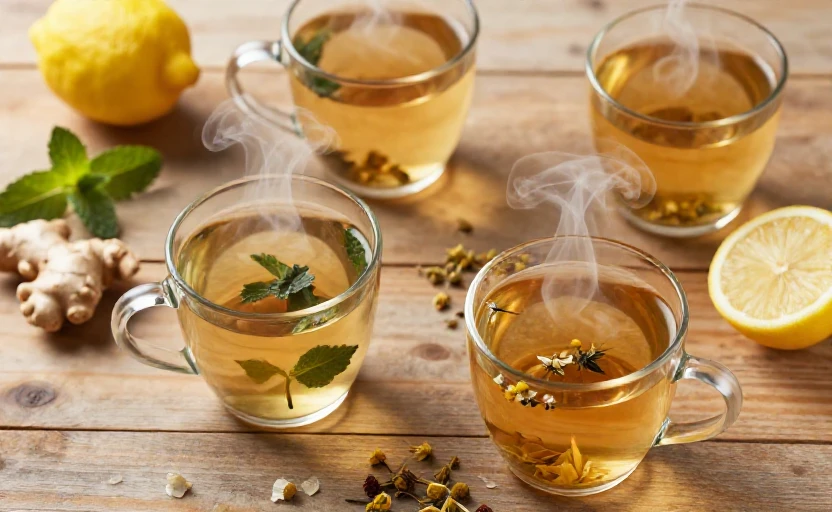
Warmth itself is therapeutic for cramps, as it can help relax tight muscles and improve circulation. When that warmth comes from a tea with specific properties, the benefits multiply. Here are some of the most well-regarded options.
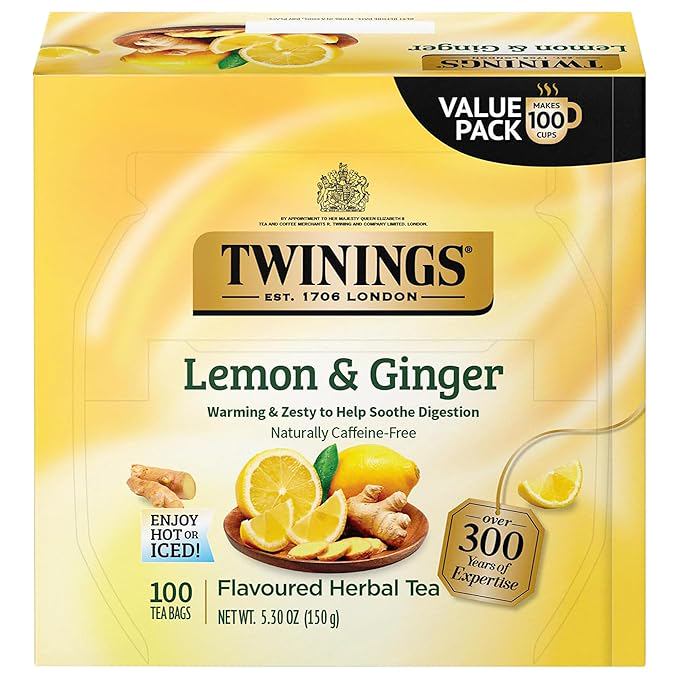
Ginger tea
Ginger is a powerhouse when it comes to fighting inflammation and pain. Studies have shown its compounds, like gingerols, can be as effective as some over-the-counter anti-inflammatories for reducing menstrual pain. It works by inhibiting prostaglandins, the hormone-like substances that trigger painful uterine contractions. A cup of freshly steeped ginger tea can provide both warming comfort and direct biochemical relief.
Peppermint tea
Peppermint is celebrated for its ability to soothe digestive muscles, and it has a similar relaxing effect on other smooth muscles in the body, including those in the uterus. Its main active compound, menthol, has antispasmodic properties. While it may not tackle inflammation directly like ginger, its muscle-relaxing effect can lead to a noticeable reduction in cramping intensity and a calming sensation.
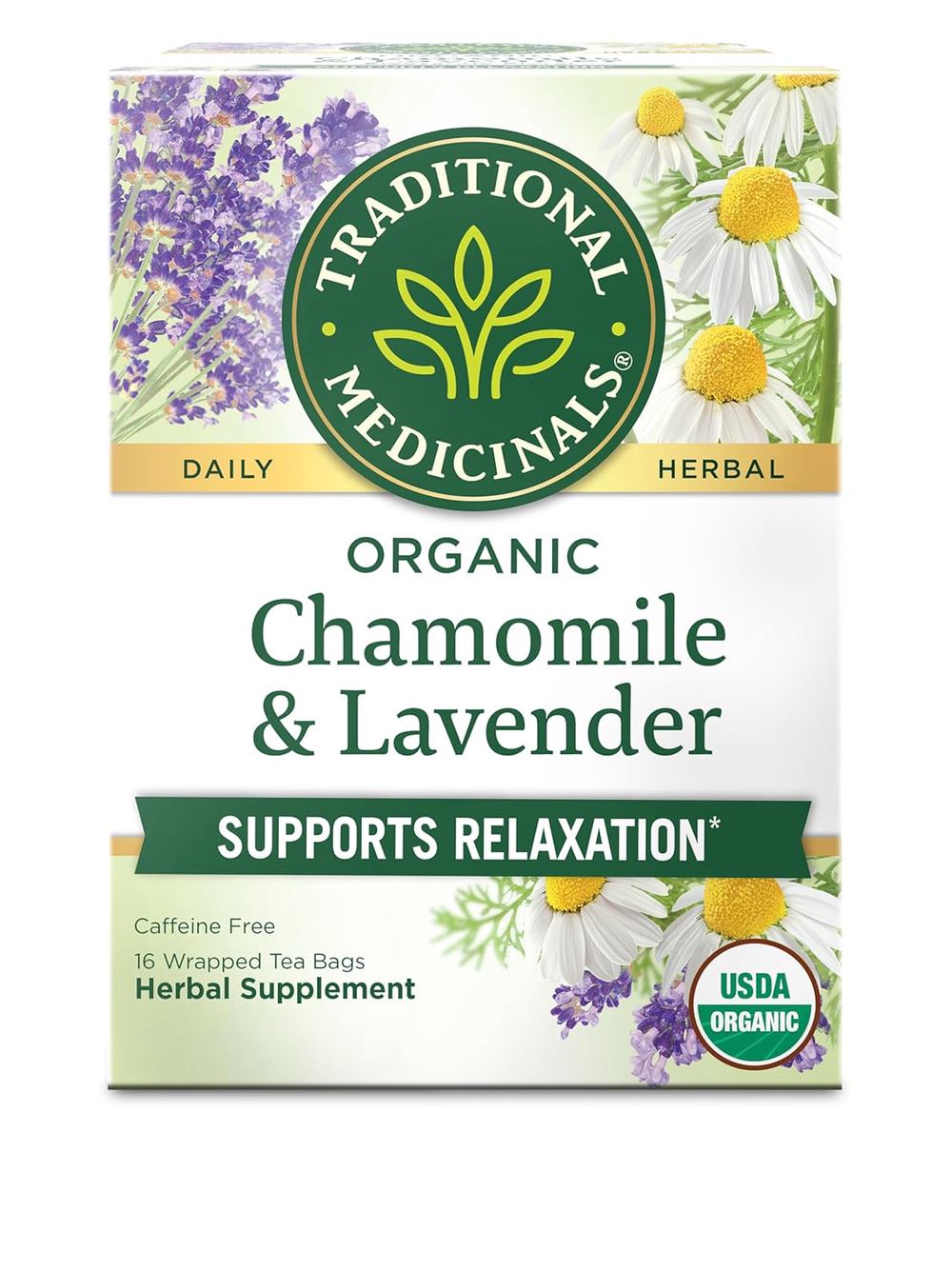
Chamomile tea
Chamomile’s benefits are twofold. First, it contains compounds that may help relax uterine muscles. Second, and just as importantly, it’s a renowned nervine—a plant that soothes the nervous system. Stress and anxiety can heighten your perception of pain. By promoting relaxation and better sleep, chamomile tea can help you manage the overall discomfort of your period more easily.
Raspberry leaf tea
Raspberry leaf has a long traditional use for female reproductive health. It’s known as a "tonic" herb, believed to help tone the uterine muscles. The theory is that a toned muscle can contract more efficiently and with less pain. Many people report that drinking raspberry leaf tea regularly in the weeks leading up to their period helps lessen cramp severity.
Other hydrating options to consider
While teas are excellent, other liquids can play a supportive role in your hydration strategy during menstruation.
Warm water with lemon: A simple, alkalizing drink that provides hydration and a dose of vitamin C, which can help with iron absorption—important if your flow is heavy.
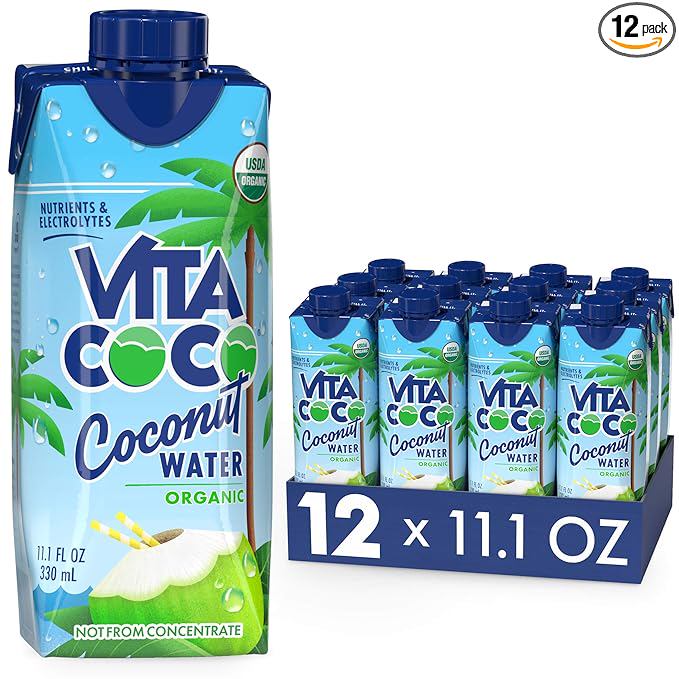
Electrolyte-enhanced water or coconut water: If you experience fatigue or bloating, replenishing electrolytes like potassium and magnesium can be helpful. Choose options with low or no added sugar.
Warm bone broth: A savory option that provides hydration along with minerals like magnesium and calcium, which play a role in muscle function and nerve signaling.
What to limit or avoid
Just as some drinks help, others can hinder. Caffeine, found in coffee, black tea, and many sodas, is a vasoconstrictor and can tighten blood vessels, potentially increasing cramping for some people. It can also contribute to dehydration and worsen anxiety. Highly sugary drinks can cause blood sugar spikes and crashes, exacerbating mood swings and inflammation. Alcohol is also best avoided, as it is dehydrating and can disrupt sleep and hormone balance.
Listening to your body is key. If you notice a particular beverage seems to make your cramps feel worse, it’s worth cutting it out during your period to see if it makes a difference.
Creating a ritual around a warm, soothing cup of tea does more than just deliver bioactive compounds. It offers a pause, a moment of self-care, and a tangible way to nurture yourself during a time of discomfort. By choosing your drinks thoughtfully, you harness the simple, profound power of hydration to find relief.