
When you live with diabetes, what you put in your glass matters just as much as what's on your plate. Certain beverages can either support or undermine your nerve health, a major concern for many people managing blood sugar. Diabetic neuropathy—nerve damage caused by high glucose levels—often leads to pain, tingling, or numbness in the hands and feet, and researchers have found that diet plays a supporting role in both prevention and management.
Rather than sifting through conflicting advice online, let's focus on three drinks that registered dietitians consistently recommend for protecting and supporting nerve tissue. None of these are magic cures, but when you swap out sugary sodas and fruit juices for these smarter choices, you provide your body with the nutrients it needs to maintain healthy nerve function.
Why the right drink matters for your nerves
Nerve cells are highly sensitive to both blood sugar spikes and nutrient deficiencies. When glucose levels swing wildly, it creates oxidative stress and inflammation that damage the myelin sheath—the protective coating around your nerves. Additionally, certain vitamin and mineral deficiencies (especially in B vitamins, magnesium, and vitamin D) can accelerate nerve damage.
The beverages listed below help on both fronts: they keep blood sugar stable and deliver concentrated amounts of nerve-supporting nutrients. The basic rule remains the same: no added sugar, minimal artificial ingredients, and a nutrient profile that targets nerve health specifically.
1. Unsweetened green tea
Green tea is one of the most studied beverages for nerve protection, and for good reason. It contains a powerful antioxidant called epigallocatechin gallate (EGCG), which has been shown to reduce oxidative stress in nerve tissue. A 2022 meta-analysis in Nutritional Neuroscience found that regular green tea consumption was associated with lower markers of inflammation and improved glucose metabolism—both critical for nerve health in diabetes.
What makes green tea especially practical is its versatility. You can drink it hot or iced, straight or with a squeeze of lemon. Just avoid adding sugar or honey. If you find plain green tea too bitter, try a lighter brew or a Japanese variety like sencha, which has a naturally sweeter, grassier taste. Some research also suggests that the L-theanine in green tea can help calm the nervous system, which may ease the discomfort of neuropathic pain.
Aim for 2 to 3 cups per day—not as a treatment but as a consistent habit that replaces less healthy options. Steep for 3 to 4 minutes at around 170°F for maximum EGCG extraction without excessive bitterness.
2. Plain water with a pinch of salt (for proper hydration)
This recommendation may sound too simple, but dehydration is one of the most common—and overlooked—triggers for worsened nerve pain. When you are dehydrated, your circulation slows down, which means less oxygen and fewer nutrients reach your peripheral nerves. Over time, this can exacerbate the numbness and tingling associated with diabetic neuropathy.
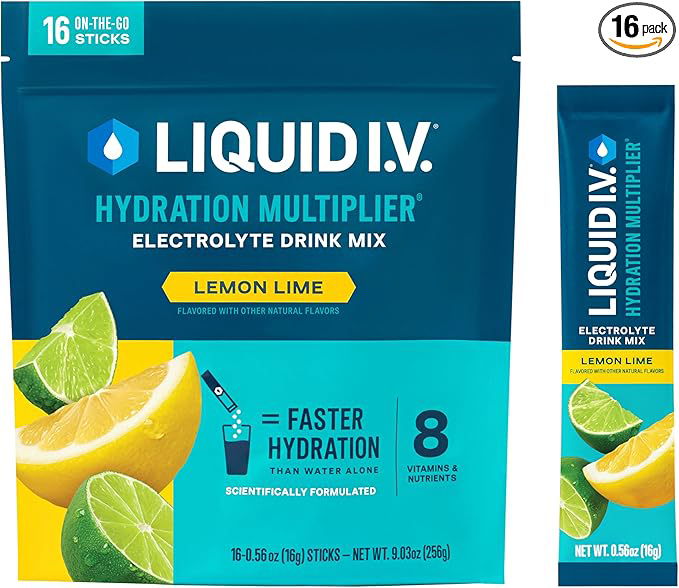
Plain water is essential, but a small amount of sodium (and sometimes potassium or magnesium) helps your body actually absorb and retain that water. For most people with diabetes, adding a small pinch of high-quality sea salt or pink salt to a glass of water (roughly one-eighth of a teaspoon per 16 ounces) can improve hydration efficiency without significantly affecting blood pressure—as long as you are not salt-sensitive or on a restricted sodium diet.
Electrolyte water vs. sports drinks
Commercial sports drinks are usually loaded with sugar or artificial sweeteners, making them a poor choice for nerve health. Instead, make your own electrolyte water: mix water, a tiny pinch of salt, and a squeeze of lemon or lime. The citrus adds flavor and a small dose of vitamin C, which is a cofactor in nerve repair. For those who dislike the taste of salted water, adding a slice of cucumber or a few mint leaves can help mask it.
If you have kidney issues or high blood pressure, check with your doctor before increasing your sodium intake—even in small amounts.
3. Bone broth or vegetable broth (rich in glycine and minerals)
Warm broths are deeply satisfying and provide a concentrated source of nutrients that support nerve structure. Bone broth is particularly rich in glycine, an amino acid that plays a role in nerve signaling and helps reduce systemic inflammation. A 2020 animal study in Biomedicine & Pharmacotherapy found that glycine supplementation helped protect nerve cells from oxidative damage, though human studies are still emerging.
Vegetable broth can also work, especially if you include nutrient-dense ingredients like celery, carrots, onions, and parsley. These vegetables provide magnesium, potassium, and B vitamins—especially B6 and folate, which are critical for nerve health. The key is to use a low-sodium or homemade broth to avoid the excessive salt and preservatives found in many commercial products.
Broth can be sipped from a mug, used as a base for soups, or drunk warm as a comforting evening beverage. It also helps with hydration during colder months when plain water feels less appealing.
What about milk and unsweetened almond milk?
Many people ask about milk for nerve health. Cow's milk is a decent source of vitamin B12 and calcium, both important for nerve function. However, some individuals with diabetes find that dairy causes digestive issues or that the natural milk sugar (lactose) affects their glucose levels. Unsweetened almond milk or soy milk fortified with vitamin D and B12 are good alternatives, but beware of flavored or sweetened plant milks which often contain hidden sugars. If you choose milk, stick to one serving per day and track your blood sugar response.
What to avoid for diabetic nerve health
Just as important as what you drink is what you don't drink. The following beverages are known to harm nerve health in people with diabetes:
- Sugary sodas and fruit punches: These cause rapid glucose spikes that accelerate nerve damage. Even one can a day can worsen inflammation markers.
- Fruit juice (even 100% juice): Without the fiber of whole fruit, juice concentrates sugar that hits your bloodstream quickly. If you crave juice, dilute one part juice with three parts water and drink it with a meal.
- Alcohol in excess: Alcohol is a direct neurotoxin and can worsen neuropathy, especially if you already have deficiencies in thiamine (B1). Moderate alcohol (one drink per day for women, two for men) may be acceptable for some, but many people with diabetic neuropathy find that even small amounts increase burning or tingling sensations.
- Energy drinks: High caffeine plus sugar or artificial sweeteners create a double hit of oxidative stress and blood sugar volatility. Avoid entirely.
Bottom line on what to drink
There is no single drink that reverses diabetic neuropathy, but the beverages you choose each day either help or hinder your nerve cells' ability to repair and protect themselves. Green tea provides powerful antioxidants, water with a pinch of salt supports circulation and hydration, and broth delivers nerve-supporting amino acids and minerals. These three choices are simple, affordable, and backed by dietitians who specialize in diabetes care.
If you want to take it a step further, pair these drinks with a whole-foods diet rich in leafy greens, fatty fish, nuts, and seeds. Always talk to your healthcare provider before making significant changes to your diet or hydration routine—especially if you have kidney concerns or take medications that affect electrolyte balance.