
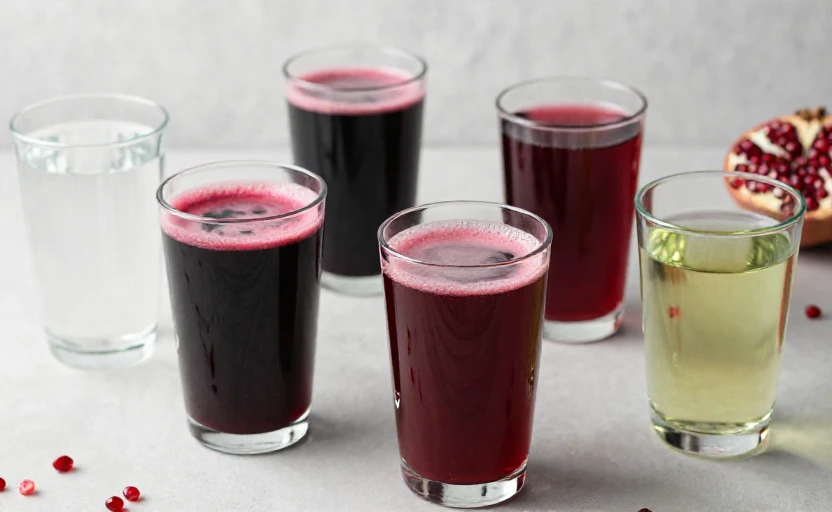
When we think about supporting our cardiovascular health, we often focus on what to eat. But what we drink plays an equally vital role in nourishing our bodies and supporting the intricate network of vessels that carry blood to every cell. The right beverages can provide hydration, deliver key nutrients, and promote the healthy, flexible blood flow that our energy, warmth, and vitality depend on.
This isn't about quick fixes or miracle cures. It's about understanding how simple, everyday choices can create a supportive foundation for your circulatory system. Let's explore some expert-backed options to consider adding to your routine.
Why Hydration Is the Foundation of Good Circulation
Think of your blood as a river. When the water level is low, everything moves more slowly and with greater effort. Dehydration causes your blood to become thicker and more viscous, which makes your heart work harder to pump it throughout your body. Simply drinking enough water is the single most effective step you can take to maintain an optimal volume of blood and support its smooth flow.
Aim for clear or pale yellow urine as a general sign of good hydration.
While individual needs vary, a common guideline is to drink enough so that you rarely feel thirsty and your urine is light in color. Carrying a water bottle can make this daily habit effortless.
Beverages That Support Blood Vessel Health
Beyond plain water, several drinks offer compounds that research suggests are beneficial for the endothelial cells that line our blood vessels, helping them stay relaxed and flexible.
Pomegranate Juice
Rich in potent antioxidants called polyphenols, pomegranate juice has been studied for its potential to support nitric oxide activity. Nitric oxide is a molecule that signals blood vessels to relax and widen, a process known as vasodilation, which improves flow. Look for 100% juice without added sugars.
Beetroot Juice
Beets are a natural source of dietary nitrates, which the body converts into nitric oxide. Several studies have observed that drinking beetroot juice can help support healthy blood pressure and improve blood vessel function. The effect is often noted within a few hours of consumption.
Green Tea
The catechins in green tea, particularly one called epigallocatechin gallate (EGCG), are celebrated for their antioxidant properties. Regular consumption is associated with supporting the health of the endothelium and promoting healthy circulation.
Drinks to Enjoy in Moderation
Some beverages have a complex relationship with blood flow, where timing and quantity make all the difference.
Green Tea: As mentioned, its antioxidants are beneficial. However, it also contains caffeine, which in moderate amounts may offer a temporary circulation boost, but in excess can have the opposite effect for some people.
Red Wine: The "French Paradox" brought attention to resveratrol and other polyphenols in red wine. While these compounds can support blood vessel health, alcohol itself can be dehydrating and, in higher amounts, detrimental. If you drink, the key is moderation—typically defined as one glass per day for women.
What to Limit for Better Circulation
Just as some drinks support your system, others can work against it when consumed excessively.
- Sugary Sodas and Juices: High sugar intake is linked to inflammation and can negatively affect blood vessel function over time.
- Excessive Alcohol: Beyond one or two drinks, alcohol can become dehydrating, may spike blood pressure temporarily, and can impair vascular function.
- Energy Drinks: The combination of high sugar and very high caffeine can cause blood vessels to constrict and may lead to unhealthy spikes in blood pressure.
Building a Circulation-Supportive Routine
You don't need to overhaul your life overnight. Start by assessing your hydration. Are you drinking water consistently throughout the day? From there, consider incorporating one new supportive beverage, like swapping an afternoon soda for green tea or adding a small glass of beet or pomegranate juice a few times a week.
Listen to your body. Notice how you feel—are your hands and feet warmer? Do you feel more energized? These can be signs of improved peripheral circulation. Remember, these beverages are part of a holistic picture that includes a balanced diet, regular movement, and stress management. For personalized advice, especially if you have existing health conditions, a conversation with your doctor or a registered dietitian is always the best step.