
Reaching for a cup of coffee first thing is a deeply ingrained habit for many, but your body has been fasting for hours while you slept. How you break that fast can set the tone for your hydration, energy levels, and even digestion for the rest of the day. I often get asked by clients if there's a magic elixir that wakes you up better than caffeine. The honest answer is that the best morning beverage is the one that gently supports your body’s natural rehydration process.
Here is a breakdown of what a registered dietitian actually recommends drinking in that first quiet hour after your alarm goes off—and why a simple, unassuming choice often wins.
Why plain water remains the gold standard
Your body loses water overnight through respiration and sweat. By morning, you are in a mildly dehydrated state. While you might crave a strong jolt of flavor or energy, your tissues are asking for plain H₂O. Water is the most efficient way to replenish fluid volume and support blood flow without adding any digestive burden.
Cold or room temperature? It’s a personal preference. Some studies suggest that room temperature water may be slightly less jarring for the digestive tract, but the evidence is not strong enough to mandate a rule. The key is to drink water—two cups (about 16 ounces) is a practical target to rehydrate adequately before you add anything else.
Should you add lemon?
A slice of lemon adds a small amount of vitamin C and may simply make water more palatable if you dislike plain water. It is not a metabolic cure or a detox agent. If the flavor helps you drink more, it’s a fine choice. If it irritates your tooth enamel over time (citric acid can erode enamel), rinse with plain water after or skip it.
The case for a tiny bit of sodium (and no, not table salt)
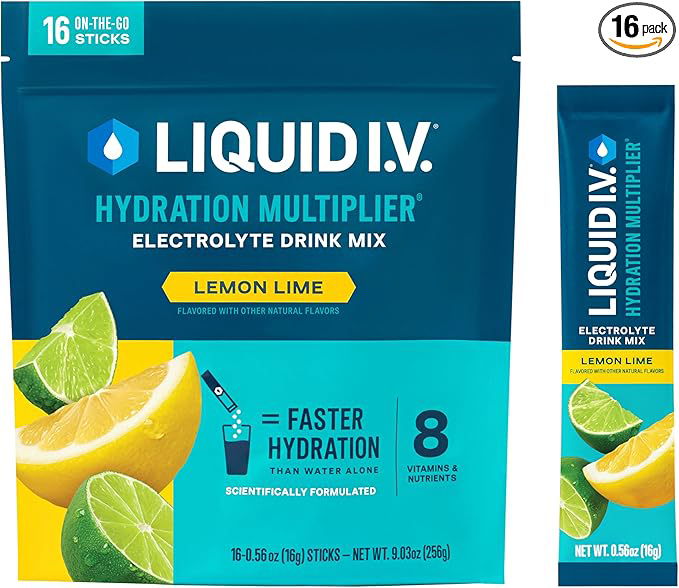
If you are someone who exercises first thing in the morning or tends to feel dizzy upon standing, you may benefit from a small amount of added electrolytes—specifically sodium and potassium. Plain water is great, but adding a tiny pinch of a high-quality mineral salt (like pink Himalayan or Celtic sea salt) or a sugar-free electrolyte powder can help your body retain that fluid and stabilize blood pressure. This is not necessary for everyone, but it can be a subtle game-changer for those who wake up feeling sluggish or have low blood pressure.
A simple practice: drink a glass of water with a pinch of salt and a squeeze of lemon before your coffee. It is a gentle way to support adrenal function and fluid balance without any calories.
What about warm lemon water or apple cider vinegar?
Warm water is perfectly fine and may feel soothing, especially in colder months. It does not have a unique health advantage over room temperature water, but it can aid relaxation. Apple cider vinegar, on the other hand, is often promoted for weight loss or blood sugar control, but the evidence for drinking it daily on an empty stomach is weak. It is highly acidic and can irritate the esophagus and damage tooth enamel with prolonged use. If you enjoy it in cooking or salad dressing, that is one thing. I generally do not recommend making it a daily morning ritual.
Green tea: a mild caffeine alternative
If you want something with a gentle lift but less of a caffeine jolt than coffee, unsweetened green tea is an excellent second beverage after your initial glass of water. It contains L-theanine, an amino acid that promotes a calm, focused alertness rather than the spike-and-crash pattern sometimes associated with coffee. It also provides antioxidants called catechins, which are beneficial for long-term cellular health. Drink it after your water, not as a replacement for it.
Should you drink coffee on an empty stomach?
Many people worry that coffee on an empty stomach is harmful. For most people, it is not unhealthy. Coffee does stimulate gastric acid production, which can lead to discomfort in some individuals with conditions like acid reflux or gastritis. If you have a sensitive stomach, consider having your coffee after you have eaten something—even a small snack—to buffer the acid. But for the average healthy person, a cup of black coffee after a glass of water is perfectly acceptable. The water first is the critical step.
Beverages to avoid first thing
- Sugary drinks: Fruit juices, sodas, or sweetened coffee creamers spike blood sugar rapidly on an empty stomach, leading to a mid-morning energy crash. Whole fruit is a better choice if you want vitamins and fiber.
- Energy drinks: High levels of caffeine, taurine, and added sugars can be too intense for a fasting system and may cause jitters or palpitations.
- Very hot water with spices: While trendy on social media, concoctions like cayenne water can irritate the stomach lining if you are not accustomed to them.
Practical morning routine
Based on the evidence and my clinical experience, here is a simple sequence that works well for most people:
- Sip one to two glasses of plain or slightly mineralized water.
- Wait 15–20 minutes before adding coffee, tea, or food. This allows hydration to take effect without dilution of digestive enzymes.
- If you want caffeine, choose black coffee or unsweetened green tea. Avoid adding cream and sugar until after you have eaten something.
Ultimately, the single best thing you can drink first thing in the morning is water—plain, simple, and consistent. Everything else is optional enhancement, not a necessity. Start with hydration, and your body will thank you for the rest of the day.