You sit down on Sunday afternoon with a clean notebook and high hopes. By Wednesday, you’re staring at a wilting bunch of kale you were supposed to roast, a container of quinoa you forgot to cook, and zero appetite for the leftover lentil soup you packed for lunch. This pattern isn’t laziness—it’s a handful of structural missteps that make meal planning work against you rather than for you.
If your weekly meal prep habit keeps fizzling out by midweek, the problem likely isn’t your motivation. More often, it’s the system itself. Here are the five most common meal planning mistakes that quietly undermine your daily habits, along with straightforward fixes that don’t require a culinary degree or a second fridge.
Mistake 1: Planning gourmet meals for every single night
The classic trap: you chart out a week of beautiful, from-scratch dinners—saffron risotto on Monday, miso-glazed salmon on Tuesday, stuffed peppers with a homemade sauce on Wednesday. It looks inspiring on paper. By Tuesday evening, you’re tired, your commute ran late, and the last thing you want to do is dice onions. The ambitious menu crumbles, and you order takeout.
The smarter approach: schedule one or two “real recipe” nights per week. Fill the rest with simple, modular meals like grain bowls, sheet-pan proteins with roasted vegetables, or a quick stir-fry using pre-cut veggies. Dinner doesn’t need to be a production every night—it needs to be doable. When the plan respects your actual energy levels, you’re far more likely to follow through.
Mistake 2: Leaving too much flexibility for the wrong moments
Paradoxically, being too rigid or too loose both cause problems. The “loose end” version sounds like this: you buy a basket of vegetables and some chicken breasts, then expect to decide what to make fresh each evening. The result: you stare into the fridge, decision fatigue sets in, and you end up with scrambled eggs for dinner while the vegetables sit uneaten.
The solution: create a skeleton plan. Assign a protein and a cooking method to each night—“Monday: ground turkey, skillet; Tuesday: chicken thighs, baked; Wednesday: canned beans, stove-top.” You don’t have to name the exact recipe, but you have a guiding framework. That small structure removes the friction of nightly indecision while still letting you adapt based on your mood.
Mistake 3: Ignoring your actual schedule
This one is deceptively common. You plan a full dinner for Thursday before you realize you have back-to-back meetings until 6:30 and a 7:00 workout class. Or you schedule meal prep for Saturday morning, forgetting you volunteered for the community cleanup. The plan collapses because it never accounted for real life.
Before you write a single grocery list, look at your upcoming week calendar-side. Block out the days you know will be chaotic. On those days, plan for the easiest possible option: leftovers, a quick prepared meal from the freezer, or a configurable staple like brown rice with canned fish and steamed broccoli. Meal planning works best when it acknowledges your constraints rather than pretending they don’t exist.
Mistake 4: Making too much food with too little versatility
Batch cooking is a fantastic habit—until you’re staring at the same chili for the fourth day in a row. Monotony is the enemy of adherence. When your meal plan produces identical lunches every day, you’re more likely to break the routine and buy something else by Thursday.
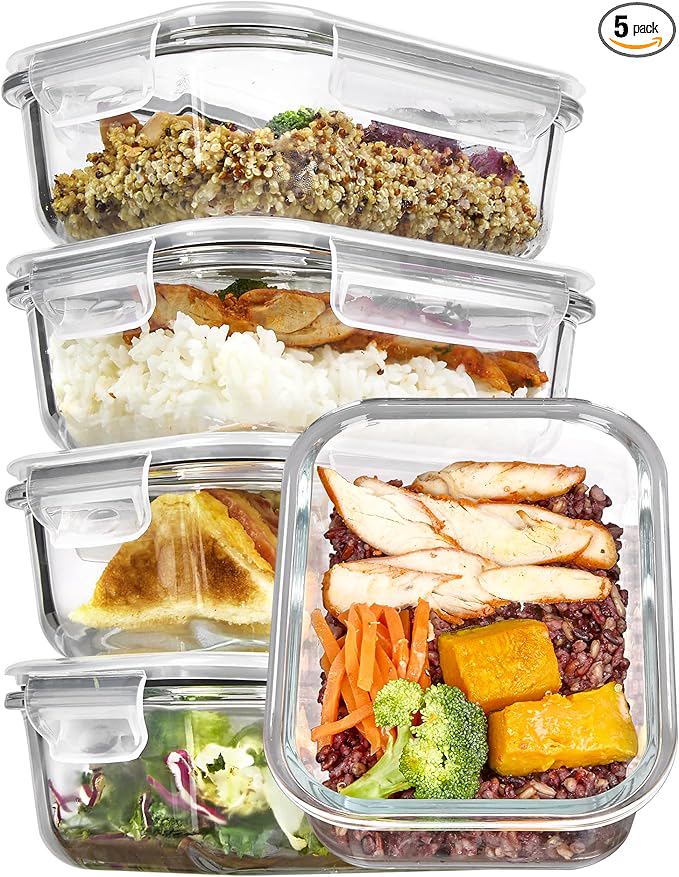
Instead, build a small library of interchangeable parts. Cook a pot of farro, a sheet pan of roasted sweet potatoes, a batch of shredded chicken, and a big salad base. Each component can be remixed: lunch bowls one day, wraps the next, a warm salad the next. The variety keeps your habits interesting without demanding new cooking. Think of it as meal building versus meal repeating.
Mistake 5: Neglecting the bridge between prep and eating
You did the work—the containers are full, the fridge is organized. But when hunger strikes, the barrier remains. Maybe you have to chop the raw vegetables before you can assemble your lunch bowl, or you need to reheat the grain and then sear the protein. Any extra step when you’re hungry can be enough to derail you.
Reduce friction ruthlessly. A container of pre-washed greens is faster than a head of lettuce. Cut vegetables right after you wash them. Portion out snacks into small bags. Keep cooked proteins at eye level in the fridge so you see them first. The goal is to make the healthy choice the easiest choice, not just the available one. When you have to work to eat well, your tired brain will often choose to eat poorly instead.
Meal planning isn’t about perfection—it’s about creating a system that bends with your life, not one that snaps under pressure. If you find yourself quitting on your meal plan by Tuesday, look at these five errors first. Adjust one mistake this week, and see if your habits hold. Often, that single change is enough to turn a frustrating pattern into a sustainable one.



![[10-Pack] Glass Meal Prep Containers with Lids, MCIRCO Food Storage Containers with Snap Locking Lids, Airtight Lunch Containers, Microwave, Oven, Freezer and Dishwasher](https://www.glowtheorylab.com/uploads/ad202604/141a61456fdd8860.webp)