
That last hour before bed often comes with a small, quiet ritual: brushing your teeth, changing into comfortable clothes, and maybe reaching for a glass of water. But what you choose to sip in that window can either help settle your mind for the night or interfere with your sleep cycle. The right drink works with your body's natural sleep drive, not against it.
Instead of reaching for a sleep aid or scrolling through late-night advice, consider these five expert-backed beverages. They are simple, rooted in nutritional science, and supported by sleep research—designed to help you transition from wakefulness to rest without fanfare or heavy preparation.
1. Tart Cherry Juice
Tart cherry juice is one of the most studied natural sleep aids available. Unlike sweet cherries, Montmorency tart cherries are naturally high in melatonin, the hormone that regulates your internal body clock. Research published in the Journal of Medicinal Food found that adults who drank tart cherry juice for two weeks experienced significant improvements in sleep efficiency and duration.
A 2020 meta-analysis confirmed that tart cherry consumption increases total sleep time by roughly 25 minutes on average.
You only need about 4 ounces (around half a cup) about an hour before you plan to sleep. Look for pure tart cherry juice without added sugars. For those watching their blood sugar, you can dilute it with sparkling water for a lighter option.
2. Warm Chamomile Tea
Chamomile is not just a soothing name—it contains apigenin, a flavonoid that binds to benzodiazepine receptors in the brain. The effect is a mild, calming sensation that reduces anxiety without sedation. A 2016 study in Phytotherapy Research showed that postpartum women who drank chamomile tea for two weeks reported significantly better sleep quality compared to a placebo group.
Brew a standard tea bag or loose-leaf chamomile in hot water for 5 minutes. Avoid adding caffeine-based teas or heavy sugar. The ritual itself—holding a warm mug, inhaling the floral steam—also signals to your nervous system that the day is ending.
3. Warm Milk with a Pinch of Nutmeg
This classic sleep aid has genuine science behind it. Milk contains tryptophan, an amino acid your body converts into serotonin and then into melatonin. A 2021 study in the American Journal of Clinical Nutrition noted that consuming dairy products close to sleep helped participants fall asleep faster and reduced nocturnal awakenings.
Warm the milk gently (do not boil it) and add a small pinch of nutmeg. Nutmeg contains myristicin, a compound that has mild sedative properties when used sparingly. Stick to just a pinch—too much nutmeg can cause dizziness. For a dairy-free version, oat milk is the closest in texture and works well heated.
4. Passionflower Tea
Passionflower is less common than chamomile but equally effective for anxiety-driven insomnia. A 2017 randomized trial found that passionflower tea improved sleep quality in adults with mild insomnia over a one-week period. The active compounds—harman alkaloids and flavonoids—increase levels of gamma-aminobutyric acid (GABA) in the brain, which naturally calms neural activity.
Steep 1 teaspoon of dried passionflower in hot water for 10 minutes. The taste is slightly grassy and floral, so a drop of honey can help if you find it bitter. Drink it 30 to 45 minutes before bed. It blends well with lemon balm if you want to try a custom mix.
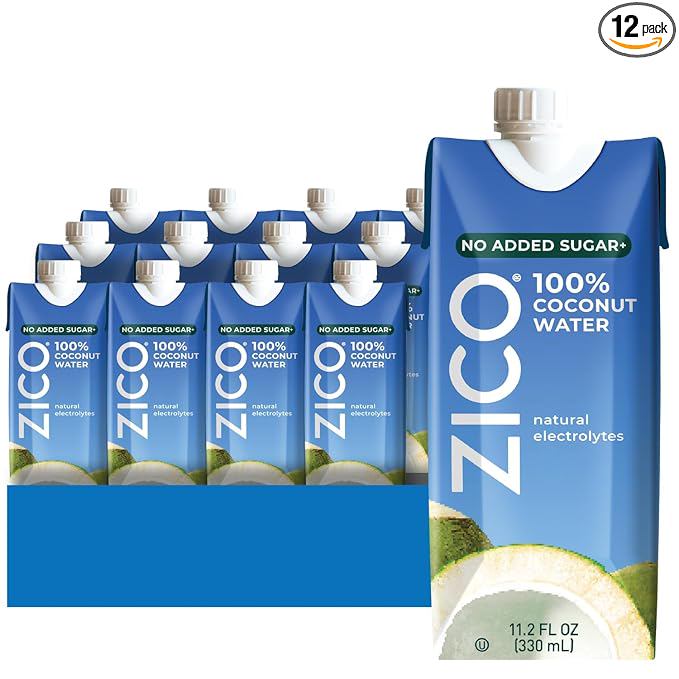
5. Coconut Water (Unsweetened)
Hydration plays a bigger role in sleep than most people realize. Even mild dehydration can cause leg cramps, dry mouth, and restless tossing. Coconut water is naturally rich in potassium and magnesium—electrolytes that support muscle relaxation and prevent nighttime cramps. A 2022 study in Nutrients linked higher magnesium intake to fewer sleep disturbances and longer sleep duration.
Pick unsweetened coconut water; flavored variants often contain added sugar that can spike blood sugar and disrupt sleep.
Half a cup (4 ounces) is enough. Sipping it slowly allows the electrolytes to absorb without overfilling your bladder. This is especially helpful for people who wake up feeling parched or with a headache in the morning.
What to Avoid Before Bed
Knowing what to skip is just as important. Alcohol, despite its sedative effect, fragments deep sleep and reduces rapid eye movement (REM) sleep. Caffeinated drinks like coffee, black tea, and cola should be avoided for at least six hours before bed. Spicy or acidic drinks can trigger heartburn that keeps you awake. Finally, avoid large quantities of any liquid within an hour of lying down—your kidneys will thank you in the morning.
Building Your Own Sleep Beverage Routine
Start with one option and try it for at least a week before deciding if it helps. Keep the drink small (4 to 6 ounces) and sip it slowly while winding down—reading, journaling, or listening to quiet music. This pairing of a warm, familiar ritual with a targeted nutrient profile is what makes these drinks effective, not just the ingredients alone.
If you have a known medical condition such as kidney disease, diabetes, or reflux, check with your healthcare provider before adding new drinks consistently. These are gentle, supportive options, not treatments for chronic insomnia.