
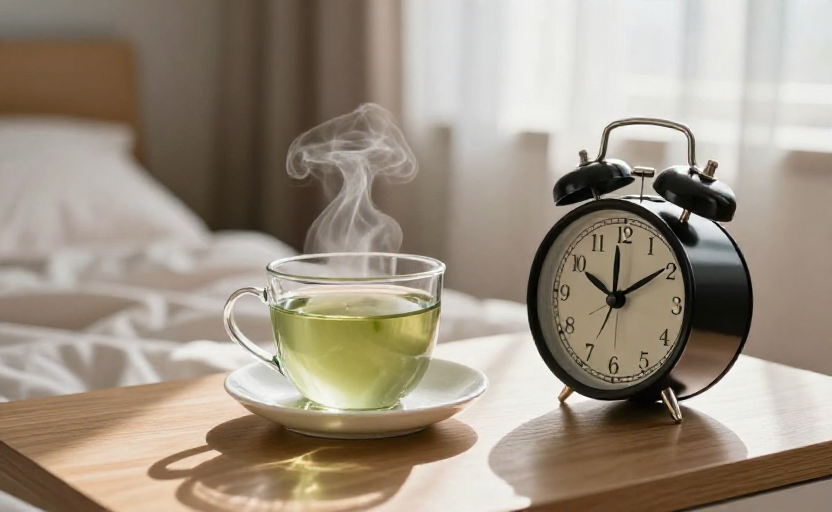
Waking up groggy after a short nap is a frustrating feeling many of us know well. That foggy, heavy-headed sensation—clinically known as sleep inertia—can linger for several minutes, sometimes undoing the restorative purpose of the rest. What you consume before lying down, however, can influence how refreshed you feel upon waking.
We spoke with sleep specialists to understand which beverages can ease that transition from slumber to alertness. The goal isn’t to force yourself awake, but to support your body’s natural waking signals so the nap feels like a reset, not a setback.
Why sleep inertia happens
Sleep inertia occurs when you wake during deep sleep, especially stage N3 (slow-wave sleep). Your brain is still producing delta waves, and the prefrontal cortex—the region responsible for decision-making and focus—takes time to “boot up.” A nap longer than 30 minutes or one taken during a circadian low point often leads to this sluggishness.
The right beverage can help by gently raising alertness without shocking the system, or by supporting adenosine clearance—the chemical that builds up during wakefulness and promotes sleep pressure.
The top sleep-expert-approved pre-nap drinks
Black or green tea (with L-theanine)
Tea offers a smaller, more manageable caffeine dose than coffee—roughly 30–50 mg per cup. That’s enough to sharpen focus after waking but unlikely to jolt you out of rest. What makes tea unique is the amino acid L-theanine, which promotes a calm, focused state. “L-theanine helps smooth out the caffeine spike,” says Dr. Lindy Ross, a board-certified sleep medicine physician. “You get the alertness without the edginess, which makes post-nap grogginess feel less jarring.”
For best results, drink a cup of black or green tea 5–10 minutes before your nap. The combined effect of caffeine and theanine usually peaks around 30–40 minutes later, aligning with a short 20-minute power nap.
Cold water (plain or with a squeeze of lemon)
Hydration status directly impacts sleep quality and cognitive function. “Even mild dehydration can worsen the mental fog you feel after waking,” notes clinical sleep educator James K. Harwell. “Drinking 8–12 ounces of cold water before a nap lowers core temperature slightly, which can help you fall asleep faster, and the hydration primes your brain for a smoother reawakening.”
Water has no stimulant effect, so it won’t interfere with your ability to drift off. A twist of lemon adds a small sensory wake-up signal that some people find helpful.
Tart cherry juice (in small amounts)
Tart cherry juice is one of the few natural sources of melatonin, the hormone that regulates sleep-wake cycles. A small 4–6 ounce serving before a targeted nap—especially in the early afternoon—can help regulate the depth of your sleep. “Tart cherry juice encourages a lighter sleep architecture during short naps,” says Dr. Ross. “You’re less likely to drop into that deep, stubborn sleep stage, which means less inertia when you wake up.”
Because it contains sugar, keep portions small to avoid a post-nap crash. Watering it down with sparkling water is a good option.
Pro tip from sleep coaches: Avoid any drink with added sugar or artificial sweeteners before a nap. Sugar can spike and then crash your blood glucose, making post-sleep grogginess worse.
Drinks to avoid before a nap
Some beverages might seem refreshing but can sabotage your nap quality. Coffee or high-caffeine energy drinks often provide too much stimulation, making it difficult to fall asleep at all. If you do manage to sleep after a large caffeine dose, the stimulant can suppress restorative slow-wave sleep, ironically leaving you feeling less rested.
Alcohol is another common culprit. Even a small amount disrupts sleep architecture, increases nighttime awakenings, and worsens sleep inertia the next day. Similarly, sugary sports drinks or fruit punches cause rapid blood sugar fluctuations that worsen morning or post-nap grogginess.
When to time your pre-nap drink
Timing matters as much as the drink itself. For caffeine-containing beverages (tea), consume them right before you lie down. Because caffeine takes about 20–30 minutes to kick in, it will hit your system just as your short nap ends. For water or tart cherry juice, drink them 5–15 minutes before napping so your body can begin absorption during rest.
Most experts recommend keeping naps between 10 and 20 minutes. This is often called the “power nap” window: enough time for light restorative sleep but not so long that you enter deep N3 sleep.
Other tips for a smoother waking experience
Beyond what you drink, a few small habits can amplify the benefits. Expose your eyes to bright light immediately after waking—daylight or a lamp—to help reset circadian signals. Splash your face with cold water or step into a well-lit room. Gentle movement, like a quick walk or stretching, also helps dissipate the groggy feeling faster.
And if you nap later than 3 p.m., sleep inertia may be stronger regardless of what you drink. Early afternoon (1–3 p.m.) is the sweet spot for most people, aligning with the natural post-lunch dip in alertness.