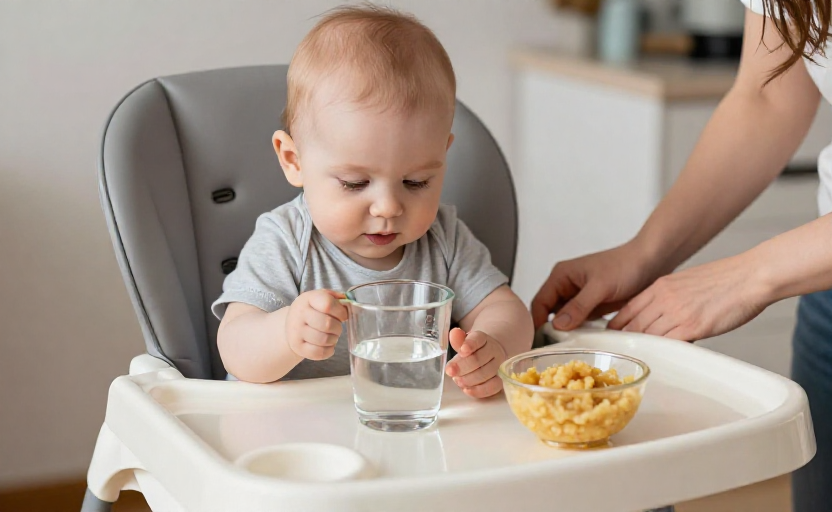
When your baby begins the transition to solid foods, a whole new world of questions opens up — and one of the most common is what they should (and shouldn't) drink alongside those first bites of puree. Breast milk or formula remains the nutritional foundation for the first year, but as solids become a regular part of the day, you might wonder about water, juice, cow's milk, and even herbal teas. Here's a straightforward breakdown of what to offer and what to skip during this exciting stage.
Water: When and how much?
Once your baby is eating solid foods — typically around 6 months of age — small amounts of water can be introduced. The goal here is not to replace milk feeds but to help with hydration alongside meals and to get your baby accustomed to drinking from a cup. A few sips from an open cup or a sippy cup at mealtime is enough; aim for no more than 2–4 ounces (about 60–120 ml) per day. Too much water can interfere with nutrient absorption and displace the calories your baby still needs from breast milk or formula.
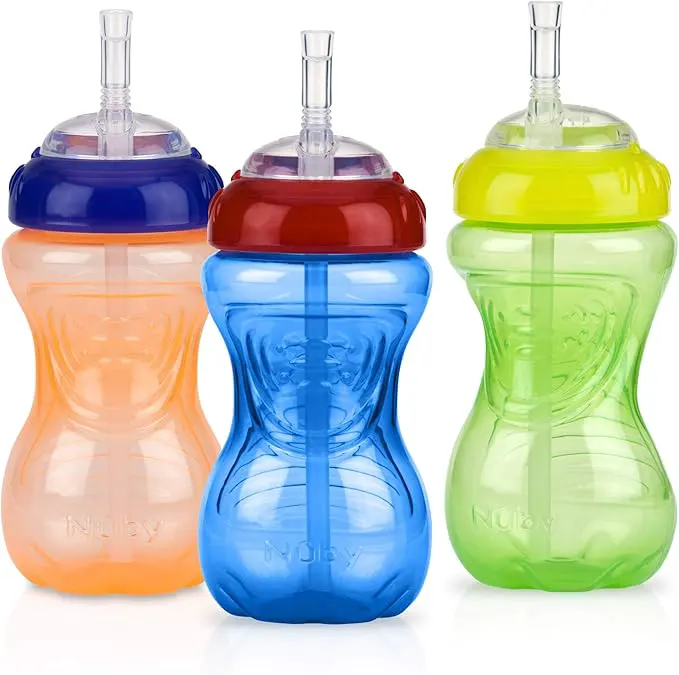
Tip: Offer water in a small, open cup or a straw cup rather than a bottle. This supports oral motor development and helps prevent prolonged bottle use, which can contribute to tooth decay.
Breast milk and formula: Still the stars
Even as your baby starts to explore solids, breast milk or iron-fortified formula should remain their primary source of nutrition until at least 12 months. Continue feeding on demand or according to your pediatrician's guidance. Solids are meant to supplement — not replace — these milk feeds, so offer the breast or bottle before or between solid meals, not right after, to ensure they get enough calories and key nutrients like iron and zinc.
Juice: Proceed with caution
The American Academy of Pediatrics recommends avoiding juice entirely for babies under 12 months. Why? Juice offers empty calories, can contribute to excessive weight gain, and may cause diarrhea or tooth decay. Even 100% fruit juice lacks the fiber of whole fruit. If you do offer juice after age 1, limit it to 4 ounces per day of 100% juice — and even then, it's far better to offer whole, mashed fruits instead.
Cow's milk: Wait until 12 months
Plain cow's milk should not be given as a drink before your baby's first birthday. It is low in iron and can irritate the lining of a young baby's digestive tract. Small amounts used in cooking or mixed into solids (like oatmeal or purees) after 6 months are generally considered safe, but as a beverage, hold off until 12 months. When you do introduce it, choose whole milk for the fat content that supports brain development.
Herbal teas, flavored waters, and plant-based milks
Herbal teas (like chamomile or peppermint) are not recommended for infants due to a lack of safety data and potential for contamination. Flavored waters, sports drinks, and sugary beverages are never appropriate for babies — they displace nutritious milk and can set up a preference for sweets. Plant-based milks (almond, oat, soy, rice) are generally not suitable as a primary drink before 12 months; they lack the protein, fat, and calorie density of breast milk or formula.
- Offer: Breast milk, formula, small amounts of plain water at mealtime.
- Avoid: Juice, cow's milk as a drink, herbal tea, sugary drinks, and plant-based milks before 12 months.
- Remember: Water is for practice and hydration, not nutrition — milk still leads.
How to introduce cup drinking
Around 6 months, you can start offering small sips of water from an open cup or a straw cup during meals. This helps develop the oral skills needed for weaning from the bottle later. Expect spills — it's part of the learning process. Silicone or stainless steel cups with a weighted straw can be easier for little hands to manage. Avoid bottles with valve systems that make sucking easy, as they don't teach a mature drinking pattern.
Signs your baby is ready to sip
Your baby may be ready to start practicing with a cup when they can sit with support, hold their head steady, and show interest in your cup during mealtime. If they grab for your glass or watch curiously as you drink, it's a good time to offer their own small cup with a tiny amount of water.
Every baby develops at their own pace. Always consult your pediatrician if you have questions about your baby's hydration needs or readiness for new drinks. These general guidelines support safe, healthy first steps with solids.