
Vaginal dryness is a common concern, and while it can have many underlying causes, from hormonal shifts to certain medications, what you drink plays a foundational role in your body's overall hydration status. Your body is a complex, interconnected system, and the moisture of your mucous membranes—including vaginal tissue—is directly influenced by your daily fluid intake. The right beverages can support your body's natural lubrication, while others can quietly work against it.
This isn't about finding a magical potion, but rather understanding how everyday hydration habits contribute to a well-lubricated, healthy vaginal environment. Let's explore which drinks are allies in maintaining moisture and which ones you might want to enjoy in moderation.
How does hydration affect vaginal moisture?
Think of your entire body as a network of tissues that require adequate water to function optimally. The vagina is lined with mucous membranes, which need sufficient hydration to produce natural lubrication. When you're generally dehydrated, your body prioritizes vital organs, and these mucosal tissues can be among the first to show signs of dryness.
Chronic low-level dehydration doesn't just cause thirst; it can lead to a decrease in cervical fluid and vaginal secretions, making natural lubrication less abundant. Staying well-hydrated ensures all your body's systems, including this one, have the fluid resources they need.
What to drink for better hydration and moisture
Focusing on drinks that hydrate effectively without introducing dehydrating or irritating elements is key. Here are your best choices.
Water is the ultimate hydrator
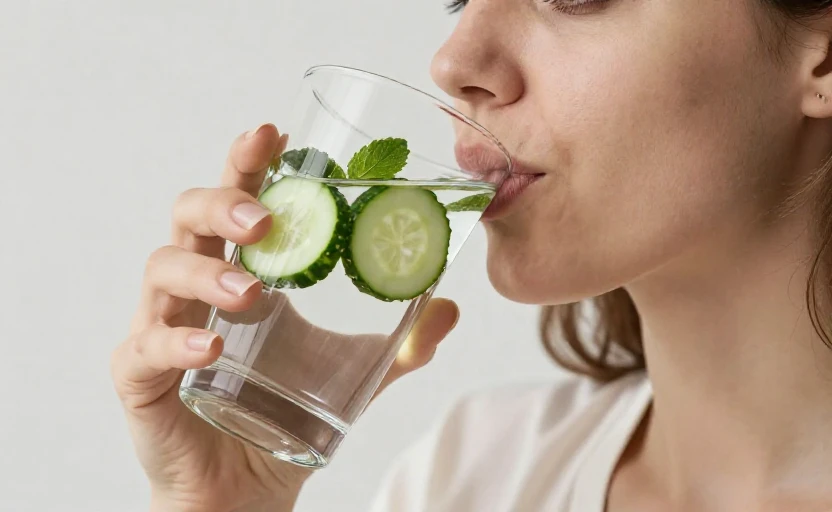
Plain, still water is the gold standard. It's absorbed directly and used by your cells without any processing of sugars, caffeine, or additives. If you find plain water unappealing, try infusing it with slices of cucumber, citrus, or fresh mint for a subtle flavor boost.
Carrying a reusable water bottle throughout the day is one of the simplest, most effective habits for consistent hydration.
Herbal teas and broths
Non-caffeinated herbal teas, such as chamomile or rooibos, contribute to your fluid intake. Warm liquids can be soothing and are a great alternative to water. Similarly, clear, low-sodium broths or soups provide hydration along with electrolytes, which help your body retain the fluids you consume.
Coconut water and electrolyte-rich drinks
For a natural source of electrolytes like potassium and magnesium, plain coconut water (without added sugar) is an excellent choice. Electrolytes help regulate fluid balance in your body. You can also find electrolyte mixes or tablets designed to be added to water, which can be helpful if you're active or sweating heavily.
What to limit or avoid
Some beverages can contribute to dehydration or may affect pH balance. Moderation is the guiding principle here.
Caffeinated drinks: coffee, tea, and soda
Caffeine is a mild diuretic, meaning it can increase urine production and potentially lead to a net fluid loss if consumed in large quantities without balancing with water. This doesn't mean you must give up your morning coffee, but it does mean you should compensate by drinking extra water. Try following a cup of coffee with an equal-sized glass of water.
Sugary drinks and alcohol
Beverages high in sugar, including sodas, sweetened juices, and fancy coffee drinks, can be problematic. High sugar intake may potentially encourage yeast overgrowth in some individuals by altering the vaginal microbiome. Alcohol is a strong diuretic and dehydrator. It can also lead to inflammation and may disrupt hormonal balance, all of which can negatively impact natural lubrication.
If you enjoy a glass of wine, pair it with a glass of water to help offset its dehydrating effects.
Very acidic drinks
While the vagina is naturally acidic, consuming large amounts of highly acidic beverages like cranberry juice (often touted for urinary health) or citrus juices might irritate the bladder in some sensitive individuals. This irritation can sometimes be mistaken for or exacerbate feelings of vaginal discomfort. If you drink these, do so diluted and with plenty of plain water.
Beyond beverages: a holistic view
What you drink is a crucial piece of the puzzle, but it's not the only one. Your overall diet matters. Foods with high water content, like watermelon, cucumbers, and celery, contribute to hydration. Healthy fats from avocados, nuts, and olive oil support hormone production and healthy cell membranes, including vaginal tissue.
It's also important to remember that persistent vaginal dryness can be a symptom of other conditions, such as hormonal changes related to menopause, breastfeeding, or certain medications like antihistamines. If improved hydration doesn't alleviate discomfort, it's a valid reason to consult a healthcare provider to explore the root cause.
Ultimately, supporting vaginal moisture starts with supporting your whole body. Choosing hydrating drinks, limiting those that dehydrate, and nourishing yourself with a balanced diet creates the foundation for your body to function at its best, from the inside out.