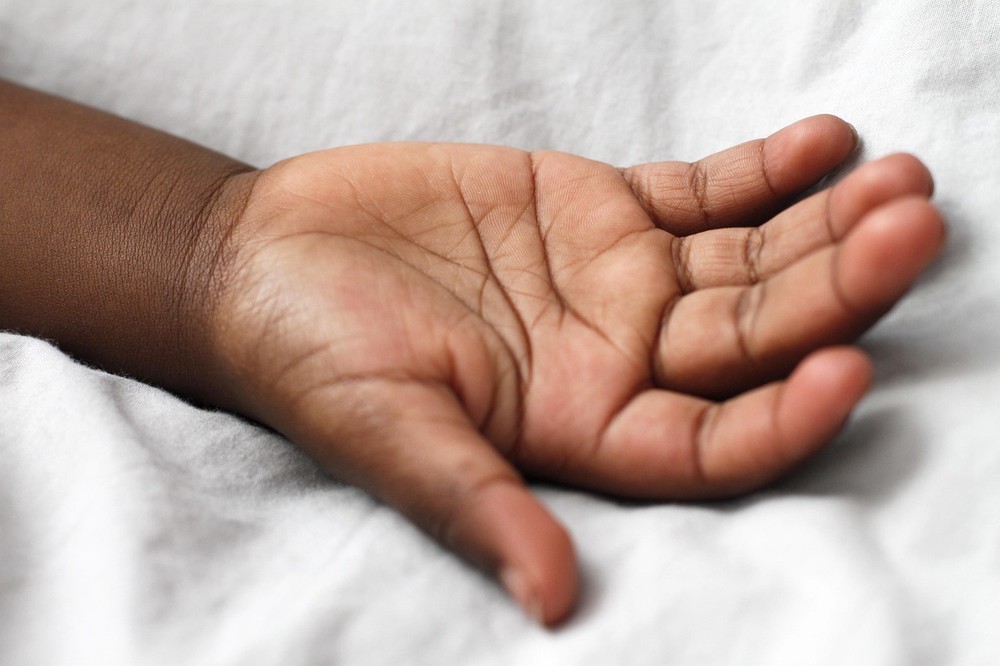
You push open a door at the grocery store, grip a subway pole, or tap a credit card reader at the checkout. In seconds, your palm has made contact with a surface touched by dozens—maybe hundreds—of other people. It is a familiar moment of hesitation: Should I be doing something right now, or am I overthinking this?
Infection control specialists study exactly these micro-moments. They know that the goal is not to achieve a sterile life, but to build smart, low-friction habits that reduce risk without dominating your day. Here is what the experts actually recommend you do—and not do—after you touch a shared surface.
Does every public surface pose the same risk?
No. Risk depends on three things: the type of surface, how many people have touched it recently, and what you do with your hands immediately after contact.
Non-porous surfaces such as stainless steel, plastic, and glass can harbor certain viruses and bacteria for hours to days under the right conditions, notes the American Journal of Infection Control. Porous materials like fabric or wood tend to absorb and dry out microbes faster, making transfer less likely. High-touch items—ATM keypads, gas pump handles, shopping cart grips, handrails—carry a higher theoretical exposure simply because they see more hands per hour.
That said, the real-world risk of getting sick from a surface is lower than airborne transmission for many respiratory viruses, including the ones that cause colds, flu, and COVID-19. The experts' consensus: surfaces matter, but your hands are the bridge. What you do with them next is the critical step.
Immediate actions: The clean break
The core recommendation from the Centers for Disease Control and Prevention (CDC) and hospital infection prevention teams is straightforward: avoid touching your face until you have washed your hands or used an alcohol-based hand sanitizer. Mucous membranes—eyes, nose, mouth—are the most common entry points for pathogens that travel via hands.
- Washing with soap and water is the gold standard. A 20-second scrub, including the backs of hands, between fingers, and under nails, physically lifts and rinses microbes away. It works against a broad range of germs, including norovirus, which is resistant to alcohol sanitizers.
- Hand sanitizer is a strong second choice when soap is unavailable. Choose a product with at least 60% alcohol. It rapidly deactivates many viruses and bacteria, but it does not remove dirt, grease, or certain pathogens like Clostridioides difficile.
- Time matters more than you think. A quick dab of sanitizer that evaporates in two seconds is not enough. Rub it over all hand surfaces until they feel dry, usually 15 to 20 seconds.
A simple mental shortcut: if you have touched a shared surface and your hands are not yet clean, keep them away from your face. That single rule buys you time to find a washroom or reach for your travel-sized sanitizer.
Do I really need to clean my phone and wallet?
Only if you touched them right after a public surface and before cleaning your hands. Your phone case, reusable shopping bag handle, pen, and credit card become secondary vectors. If you pull out your phone to check a map immediately after swiping a door handle, your phone now carries whatever was on that door.
Most device manufacturers approve of a soft, lint-free cloth lightly dampened with 70% isopropyl alcohol for occasional wiping of hard, non-porous surfaces. Avoid abrasive wipes and excess moisture around openings. For items you handle immediately after a public surface, the simplest fix is to clean your hands first, then handle your belongings.
When you get home: A practical reset
Infection control experts do not recommend a full decontamination ritual at the front door. The sensible routine includes:
- Wash your hands with soap and water as soon as you walk in. This is a baseline habit that public health agencies universally endorse.
- Set down reusable bags, keys, and wallet in a designated spot. Nothing on the kitchen counter or dining table until hands are clean.
- If you were in a high-risk environment—a crowded clinic waiting room, a public restroom, or a transit car during flu season—change your outer layer or wash your hands before preparing food.
The risk of bringing home enough virus on your clothing or shoes to cause illness is very low for most respiratory illnesses. The transmission path usually requires a more direct route from surface to mucous membrane via hands.
What about gloves and wipes in public?
Disposable gloves can create a false sense of security. People wearing gloves often touch their face just as frequently, and gloves themselves can transfer microbes if they are not changed between tasks. The CDC and most infection preventionists do not recommend routine glove use for everyday errands for the general public. The real benefit comes from keeping hands away from the face and cleaning them promptly.
Disinfectant wipes at store entrances can be useful for wiping down a shopping cart handle—that is a targeted use of a sanitizing product on a high-touch surface. The wipe needs to stay wet on the surface for the contact time listed on the label (often 30 seconds to 4 minutes) to be effective. A quick swipe that dries in five seconds is more about psychological reassurance than infection control.
Building a sustainable routine
Perfection is not the goal. The most effective infection control strategies are the ones you can maintain without exhausting yourself:
- Keep hand sanitizer accessible. In your bag, car, or desk drawer. The barrier to use should be negligible.
- Practice the face-touch awareness pause. Notice when your hand moves toward your face in a store or on transit. Over time, this becomes automatic.
- Wash hands at key transition points. After arriving at work, before eating, after using the restroom, after returning home, and after handling cash or shared equipment.
Infection control experts live by a pragmatic truth: the world is full of shared surfaces. You cannot—and need not—avoid them all. The point is to break the chain of transmission with simple, well-timed hand hygiene and a little bit of mindful awareness about where your hands have been and where they are going next.