The first trimester is a time of profound transformation, often accompanied by a wave of new information and a heightened sense of caution. It’s natural to look at your daily routine and wonder what needs to change. The goal isn’t to live in fear, but to move through these early weeks with informed confidence, making simple adjustments that support your health and your baby’s development.
This guide walks through the common considerations—from your kitchen to your medicine cabinet—offering clarity on why certain recommendations exist. Think of it as a practical companion for navigating these initial twelve weeks.
Foods and Drinks to Set Aside for Now
Nutrition takes center stage, and while the list of foods to avoid might seem long, the reasoning is consistent: to minimize exposure to bacteria, parasites, or toxins that your developing baby is not yet equipped to handle. Your immune system is slightly subdued during pregnancy, making you more susceptible as well.
Focus on avoiding undercooked or raw animal products. This means saying no to rare steak, raw sushi, oysters on the half shell, and unpasteurized juices or milks. Deli meats and refrigerated pâtés or meat spreads are also on the list unless they are heated until steaming hot, which kills any potential listeria bacteria.
When it comes to fish, the concern is mercury, a metal that can affect a baby’s nervous system. It’s not about avoiding fish altogether—many are excellent sources of omega-3s—but about choosing wisely. Steer clear of high-mercury fish like shark, swordfish, king mackerel, and tilefish.
A good rule of thumb: if you can’t confirm a cheese is made from pasteurized milk, it’s best to skip it. Soft cheeses like brie, feta, and blue cheese are often the culprits.
Raw eggs, found in some homemade caesar dressings, cookie dough, or hollandaise sauce, carry a salmonella risk. Opt for pasteurized egg products when a recipe calls for them uncooked.
Reconsidering Daily Habits and Exposures
Your daily routines extend beyond the plate. Some habits that were once harmless now warrant a second look.
Caffeine is a common one. High intake has been linked to an increased risk of miscarriage. Most experts agree that keeping consumption under 200 milligrams per day—about one 12-ounce cup of coffee—is a safe limit for most. Remember, caffeine is also in tea, soda, and chocolate.
Alcohol does not have a known safe level during pregnancy. Because it passes directly to the baby and can interfere with development, the safest choice is to avoid it completely throughout pregnancy, starting from the first trimester.
If you smoke, finding a program to help you quit is one of the most significant steps you can take. Smoking restricts oxygen to the baby and is linked to a host of complications. Similarly, recreational drugs and misuse of prescription medications pose serious risks.
Over-the-Counter and Herbal Considerations
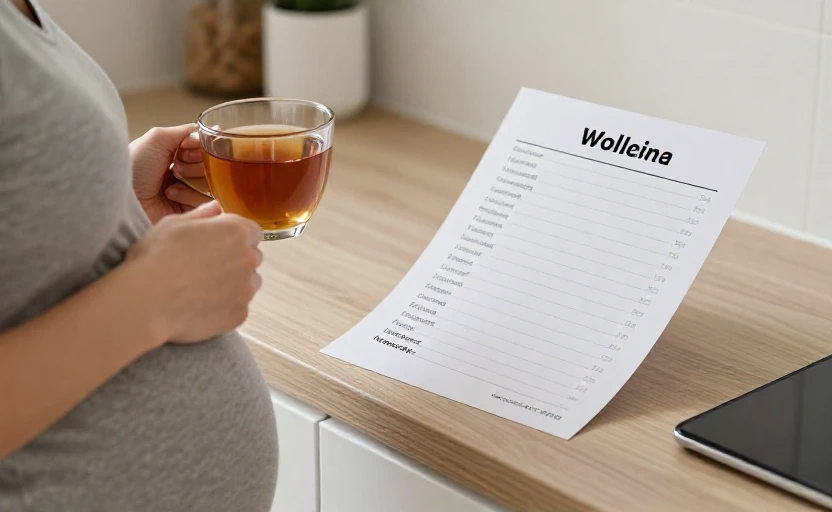
Reaching for a pain reliever or a herbal tea requires a new level of awareness. Always check with your doctor or midwife before taking any medication or supplement, even those you’ve used for years.
Common pain relievers like ibuprofen and naproxen are generally not recommended during pregnancy, especially in the first and third trimesters. For occasional aches or fever, acetaminophen is typically considered the safer option, but it’s still wise to confirm with your provider and use the lowest effective dose.
The world of herbal supplements and teas is largely unregulated, and “natural” doesn’t automatically mean safe for pregnancy. Some herbs, like pennyroyal or black cohosh, can stimulate the uterus. It’s best to avoid herbal supplements unless specifically approved by your healthcare team.
Environmental and Lifestyle Factors
Your surroundings play a role, too. If you have a cat, delegate litter box duty to someone else. Cat feces can harbor toxoplasmosis, a parasitic infection that can cause serious problems for a fetus.
Household chores involving strong chemical cleaners, solvents, or pesticides are best handled with gloves, ample ventilation, or by someone else. When painting, use low- or zero-VOC paints and ensure the room is well-ventilated.
High heat, like in hot tubs, saunas, or very hot baths, can raise your core body temperature to a level that may be risky for the baby. Stick to warm baths instead of hot ones, and limit your time in a hot tub if you use one at all.
Navigating the first trimester is about gentle course corrections, not perfection. It’s perfectly normal to have questions or even slip up. The most important habit you can cultivate is open communication with your prenatal care provider. Bring your list of questions to each appointment. They are your best resource for personalized guidance, helping you move forward with assurance and focus on the excitement of the journey ahead.