
For many women, the arrival of hot flashes is the most tangible signal of the menopausal transition. That sudden wave of heat, the flushing, the drenching sweat—it’s a physical experience that can feel both unpredictable and all-consuming. While often framed as a temporary phase, for a significant number of women, hot flashes persist for a decade or more, weaving a thread of discomfort through postmenopausal life. This isn’t about enduring a few years of inconvenience; it’s about managing a long-term physiological shift. The good news is that menopause specialists have moved far beyond a simple ‘grin and bear it’ approach. Today’s management is nuanced, personalized, and focused on sustainable strategies that support quality of life for the long haul.
The goal of long-term management isn’t necessarily to eliminate every single hot flash (though that can be a wonderful outcome for some). Instead, it’s about reducing their frequency and severity to a level that no longer disrupts your sleep, your confidence, or your daily rhythm. It’s about regaining a sense of control. Specialists emphasize that what works is highly individual, and the most effective plan is often a layered one, combining lifestyle foundations with targeted interventions, all guided by your personal health profile and preferences.
Understanding the “Why” Behind the Heat
To manage something effectively, it helps to understand its mechanism. Hot flashes are primarily a thermostat malfunction. The hypothalamus, your brain’s temperature control center, becomes more sensitive to slight changes in body temperature as estrogen levels decline. It misreads a stable internal temperature as being too hot and kicks off a cascade of events to cool you down: blood vessels near the skin dilate (causing the flush and feeling of heat), your heart rate may increase, and you sweat profusely.
This process isn’t random. Specialists note common triggers that can provoke an episode, including caffeine, alcohol, spicy foods, stress, tight clothing, and warm environments. A core part of long-term management involves becoming a detective of your own patterns. Keeping a simple log for a few weeks—noting what you ate, drank, felt, and did before a flash—can reveal powerful, personalized clues for prevention.
Building a Sustainable Foundation: Lifestyle and Environment
Before or alongside any medical intervention, specialists universally stress the importance of non-pharmacological strategies. These form the bedrock of long-term management and empower you with daily tools.
Dress in strategic layers. This is the number-one tip from clinic visits. Wearing a light, breathable base layer (like cotton or moisture-wicking fabric) with easily removable cardigans or jackets gives you immediate control when a flash begins.
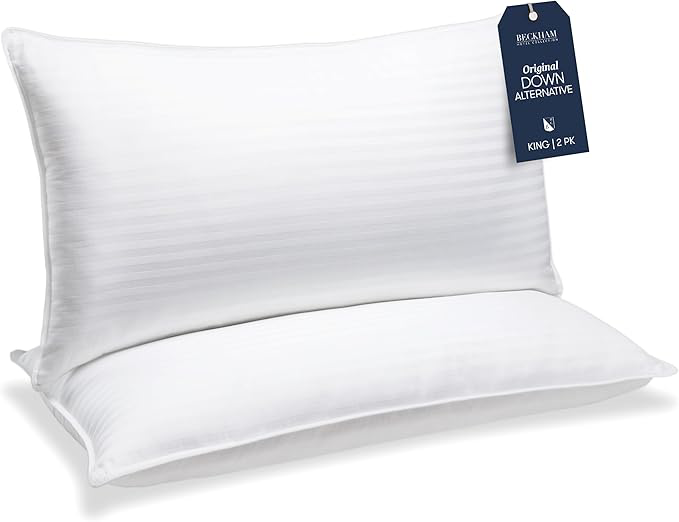
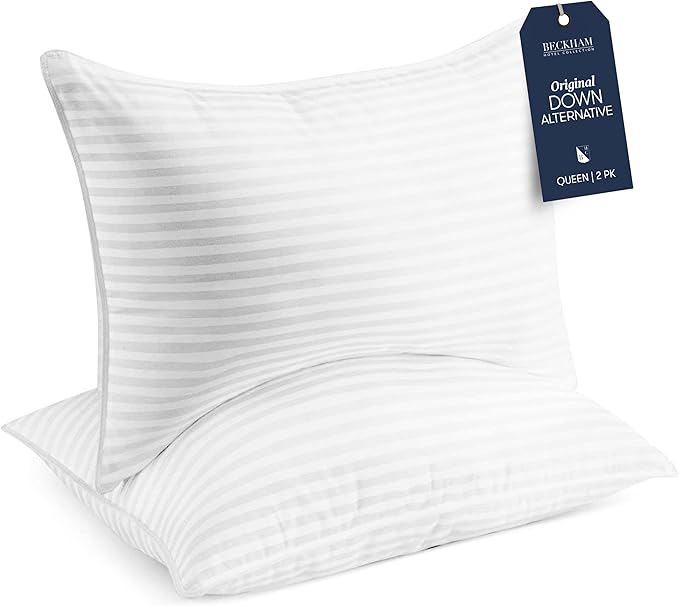
Master your sleep environment. Night sweats are a major thief of restorative sleep. Use moisture-wicking bedding, keep the room cool, and consider a bedside fan. Some find placing a frozen water bottle or cool pack under their pillowcase provides a discreet cooling spot.
Mindful temperature regulation. Carry a small, portable fan. Sip cold water throughout the day. When you feel a flash coming on, try a deliberate, paced breathing technique: slow, deep belly breaths, in through your nose and out through your mouth. This can calm the nervous system and sometimes shorten or lessen the severity of an episode.
Regular physical activity is consistently linked to a reduction in hot flash frequency and improved sleep. The key is consistency over intensity—finding movement you enjoy and can maintain, whether it’s walking, swimming, or yoga.
The most effective plan is rarely one single thing. It’s the combination of smart daily habits, a supportive environment, and, if needed, a targeted treatment that aligns with your health picture.
Navigating the Decision Around Hormone Therapy
For women who are candidates, menopausal hormone therapy (MHT) remains the most effective treatment for relieving moderate to severe hot flashes and night sweats. The conversation around MHT has evolved significantly. Specialists now take a highly individualized approach, weighing the benefits for symptom relief against potential risks based on a woman’s age, time since menopause, and personal health history.
The “window of opportunity” hypothesis suggests that starting MHT closer to the onset of menopause (typically before age 60 or within 10 years of menopause) may offer the best benefit-risk profile for symptomatic women. The decision is a collaborative one, made with a clinician who can review your specific situation. For those who cannot or choose not to use systemic hormones, low-dose vaginal estrogen can still address genitourinary symptoms like vaginal dryness without significant systemic absorption.
Non-Hormonal Prescription Options
For women who cannot use hormones or prefer not to, several non-hormonal prescription medications can be effective. These are typically used ‘off-label’ for hot flashes but are backed by clinical evidence.
- Certain antidepressants (SSRIs/SNRIs): Low doses of medications like paroxetine, venlafaxine, or desvenlafaxine can reduce hot flash frequency and severity by affecting brain chemicals involved in temperature regulation.
- Gabapentinoids: Drugs like gabapentin and pregabalin, often used for nerve pain, can also be helpful, particularly for night sweats that disrupt sleep.
- Clonidine: A blood pressure medication that can provide mild to moderate relief for some women.
These options require a prescription and a discussion with your provider about potential side effects and suitability.
The Role of Complementary Approaches
Many women explore complementary practices. While the evidence varies in strength, specialists acknowledge that if an approach is safe and you find it helpful, it can be a valuable part of your toolkit.
Cognitive behavioral therapy (CBT) has good evidence for helping women cope with hot flashes and night sweats. It doesn’t reduce their physical frequency but can profoundly reduce how bothered you are by them, improving sleep and quality of life.
For botanicals, soy isoflavones and black cohosh are among the most studied. Effects are generally modest and vary between individuals. The critical advice here is to purchase from reputable sources that verify purity and potency, and to always inform your healthcare provider about any supplements you are taking, as they can interact with medications.
Forging a Partnership for the Long Term
Perhaps the most important message from menopause specialists is that you don’t have to navigate this alone or silently. Effective long-term management is built on a partnership with a knowledgeable healthcare provider. Come to appointments prepared. Describe your symptoms concretely: “I have severe flashes that soak my clothes about 8 times a day and wake me up 3 times a night.” Track their impact. Be clear about your goals.
Your needs may change over time. A treatment that works now might need adjustment in five years. Schedule regular check-ins to reassess your plan. This proactive, collaborative approach is the cornerstone of not just managing hot flashes, but thriving through and beyond the menopausal transition.