
Waking up drenched, sheets soaked through, your heart pounding from the sudden surge of heat—severe night sweats are more than a nuisance; they fracture sleep and drain your energy for the day ahead. For many women navigating menopause, this intense symptom becomes a central challenge, one that requires a thoughtful, multi-layered approach to manage effectively.
Menopause specialists, from gynecologists to dedicated menopause practitioners, see this daily. Their recommendations aren't about a single magic bullet, but about building a personalized toolkit. This toolkit combines lifestyle adjustments, environmental tweaks, and, when appropriate, medical interventions, all aimed at cooling the body's thermostat and reclaiming restful sleep.
Understanding why night sweats become severe
Night sweats are essentially hot flashes that occur during sleep. They're driven by the hypothalamus, the part of your brain that acts as a thermostat. As estrogen levels fluctuate and decline, this thermostat becomes more sensitive. It misreads your normal body temperature as too high and triggers a cooling response: your blood vessels dilate (causing the flush), and your sweat glands kick into overdrive.
Severity is often subjective, but specialists consider frequency, intensity, and the degree of sleep disruption. Waking up multiple times a night, needing to change clothes or bedding, or experiencing a rapid heartbeat and anxiety alongside the sweat points to a more severe pattern. This level of disruption is where targeted strategies become essential.
Building your cooling environment
Your bedroom should be your first line of defense. Think of it as creating a sanctuary designed for thermal regulation.
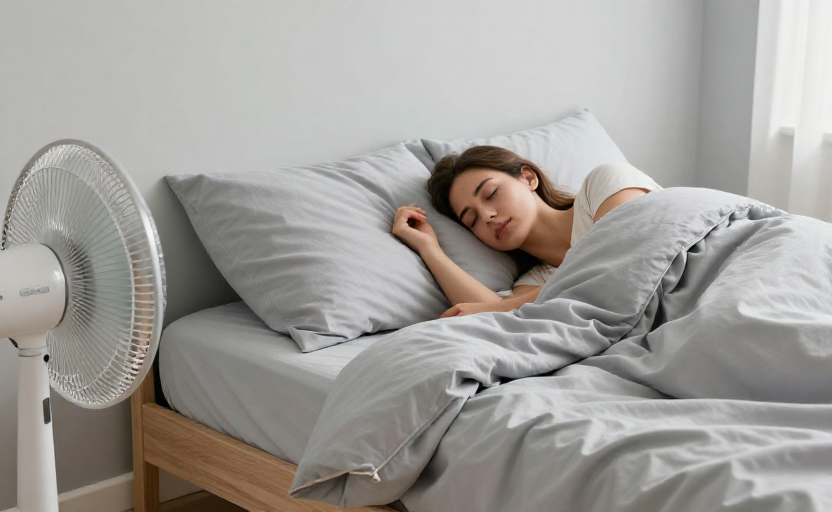
Temperature and Airflow: Keep the room cool, ideally between 60–67°F (15–19°C). Use fans strategically—a ceiling fan for overall circulation or a quiet bedside fan aimed across your body. If possible, crack a window for fresh air.
The Bedding System: This is where you can make a huge difference. Ditch the heavy comforter and adopt a layered approach. Use several light, breathable layers—cotton or moisture-wicking sheets and blankets—that you can easily push on or off. Invest in a mattress protector designed for cooling and moisture resistance.
Pajamas Matter: Opt for loose-fitting sleepwear made from natural fibers like cotton, bamboo, or specialty moisture-wicking fabrics. Avoid synthetics like polyester, which can trap heat.
A cool room and breathable bedding aren't just about comfort; they send a consistent 'cool' signal to your hypothalamus, helping to prevent it from overreacting.
Daily habits that calm the thermostat
What you do during the day directly influences your nights. Specialists emphasize routines that promote overall balance and lower your body's stress load.
Mind the Triggers: Common culprits can spike body heat. These include spicy foods, caffeine, and alcohol, especially in the hours before bed. It's worth keeping a brief log to see if your patterns correlate with any specific food or drink.
Stress and Sleep Hygiene: Anxiety and stress are potent triggers for hot flashes. Incorporating a daily stress-reduction practice—even 10 minutes of meditation, deep breathing, or gentle yoga—can have a cumulative cooling effect. Consistent sleep hygiene is also key: try to go to bed and wake up at the same time, and create a wind-down routine that doesn't involve screens.
Regular Exercise: Staying active helps regulate hormones and improve sleep quality. The timing is important, though; finish vigorous exercise at least three hours before bedtime to allow your core body temperature to drop, which is a natural sleep signal.
When to consider medical guidance
If lifestyle and environmental changes aren't providing enough relief, it's time to consult a healthcare provider who specializes in menopause. They can review your full health profile and discuss further options.
Hormone Therapy (HT): For healthy women within 10 years of menopause onset, estrogen therapy (often with progesterone for those with a uterus) remains the most effective treatment for relieving moderate to severe vasomotor symptoms like night sweats. It directly addresses the hormonal root cause. The decision is highly individual, based on your personal and family health history.
Non-Hormonal Prescriptions: Certain antidepressants in a low dose (like SSRIs/SNRIs) and a medication called gabapentin have been shown to reduce the frequency and severity of hot flashes and night sweats. These can be excellent options for those who cannot or prefer not to use hormone therapy.
Having an open conversation with a specialist allows you to weigh the benefits and risks of any intervention, ensuring your path forward is both informed and comfortable for you.
Supportive tools and mind-body techniques
Alongside core strategies, many find additional support in specific practices and products.
Some women report benefit from clinical-strength cognitive behavioral therapy for insomnia (CBT-I), which can help change the anxiety and negative thoughts associated with sleep disruption. Acupuncture has also shown promise in some studies for reducing hot flash frequency.
Practical bedside items can help you manage an episode quickly: keep a glass of ice water nearby, use a cooling pillow or a chilled cloth on your neck, and have a fresh set of pajamas and a towel within easy reach. The goal is to cool down and get back to sleep with minimal fuss.
Managing severe night sweats is often a process of patience and experimentation. What works for one woman may not for another. The consistent advice from specialists is to start with the foundational pieces—cooling your sleep space and calming your daily habits—and then layer in further support as needed. By addressing it from multiple angles, you can dial down the intensity and move closer to the restful sleep that supports your health and well-being during this transition and beyond.