
If you’re navigating the transition of menopause, you’ve likely noticed that your body’s relationship with food has shifted. What used to fuel you effortlessly might now leave you feeling sluggish, irritable, or riding an energy rollercoaster. This isn’t just in your head; it’s a physiological reality driven by changing hormones. The good news is that strategic nutrition can be a powerful, stabilizing force.
We spoke with dietitians who specialize in women’s health to distill their core recommendations. This isn’t about restrictive dieting or quick fixes. It’s about understanding which foods build a resilient foundation for your mood and energy, and which might subtly undermine them.
Why does menopause disrupt mood and energy?
Estrogen’s decline is the central player. This hormone does far more than regulate reproduction; it influences serotonin (a key mood neurotransmitter), impacts how your body uses energy from food, and affects sleep cycles. As estrogen levels fluctuate and fall, the systems it supported can become unsteady. You might experience more pronounced blood sugar swings, feel more reactive to stress, or find that poor sleep leaves you drained. Nutrition steps in here to provide steadier inputs, helping to buffer these natural shifts.
Building your plate for stability
The goal is to eat in a way that avoids dramatic spikes and crashes in blood sugar. Rapid rises and falls in glucose can directly fuel feelings of anxiety, irritability, and profound fatigue.
Think of every meal and snack as an opportunity to combine three key elements: fiber, protein, and healthy fat.
This trio works together to slow digestion, providing a slow, steady release of energy. For example, instead of just a piece of fruit (sugar + fiber), have an apple with a tablespoon of almond butter (adding protein and fat). Swap plain toast for whole-grain toast topped with avocado and an egg.
Focus on complex carbohydrates
Choose carbohydrates that come packaged with fiber. This includes whole grains like oats, quinoa, and brown rice; starchy vegetables like sweet potatoes and squash; legumes like lentils and chickpeas; and all kinds of fruits and non-starchy vegetables. The fiber content is crucial for gut health, which is increasingly linked to mood regulation through the gut-brain axis.
Prioritize quality protein
Adequate protein is essential for maintaining muscle mass (which supports metabolism), promoting satiety, and providing the amino acids needed for neurotransmitter production. Include a source at each meal: eggs, Greek yogurt, fish, poultry, tofu, tempeh, beans, or lentils.
Don’t fear healthy fats
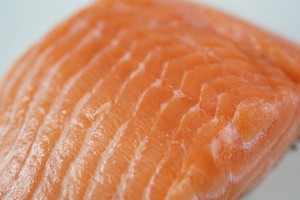
Fats are vital for hormone production and brain health. Omega-3 fatty acids, found in fatty fish (salmon, mackerel, sardines), walnuts, flaxseeds, and chia seeds, have anti-inflammatory properties and are associated with positive mood support. Avocados, olive oil, nuts, and seeds are other excellent staples.
Specific nutrients to mind
Beyond the broad plate structure, a few nutrients deserve special attention during this life stage.
Magnesium: Often called the relaxation mineral, it supports muscle and nerve function, blood sugar control, and sleep. It’s found in leafy greens, nuts, seeds, legumes, and dark chocolate.
B Vitamins: This family of vitamins, especially B6, B12, and folate, is critical for energy production and the synthesis of neurotransmitters like serotonin. Sources include whole grains, eggs, lean meats, legumes, and dark leafy greens.
Vitamin D: Linked to mood regulation and immune function. While sunlight is a primary source, dietary sources like fatty fish, egg yolks, and fortified foods are important, and supplementation is common under a doctor's guidance.
Iron: If your energy is persistently low, it’s worth discussing iron status with your healthcare provider. Post-menopause, iron needs decrease, but during perimenopause, heavy periods can deplete stores. Good sources include lean red meat, lentils, spinach, and fortified cereals.
What to moderate
Some foods and drinks can act as triggers, exacerbating symptoms for many women. This doesn’t mean you must eliminate them entirely, but being mindful of their impact can be enlightening.
- Caffeine: That afternoon coffee might seem necessary, but caffeine can interfere with sleep and, for some, increase feelings of anxiety or jitteriness. Try limiting intake to the morning and notice if you feel more settled.
- Alcohol: It’s a known sleep disruptor, even if it initially causes drowsiness. It can also trigger hot flashes and affect mood stability the following day.
- Added Sugars and Refined Carbs: These are the prime culprits behind blood sugar rollercoasters, leading to energy crashes and mood swings. Read labels and be aware of hidden sugars in sauces, dressings, and packaged foods.
- High-Sodium Processed Foods: Excess salt can contribute to bloating and may worsen hot flashes for some women.
Putting it into practice
Start with observation, not overhaul. Keep a simple log for a few days, noting what you eat and how you feel a few hours later in terms of energy, mood, and even body temperature. Patterns often emerge.
Then, implement one change at a time. It could be as simple as adding a handful of spinach to your morning smoothie, swapping your afternoon candy bar for yogurt with berries, or ensuring you drink a glass of water when you first wake up. Hydration is a foundational, yet often overlooked, component of energy levels.
Finally, remember that food is one part of a holistic approach. Regular physical activity, stress-management practices like meditation or gentle yoga, and prioritizing sleep work synergistically with your diet to create a profound sense of balance during menopause and beyond.