
For anyone trying to conceive, the timing and length of the luteal phase can be a source of quiet concern. This is the second half of your menstrual cycle, beginning after ovulation and lasting until your next period starts. A typical luteal phase is between 12 and 14 days. When it is shorter than 10 days, fertility specialists consider it a potential obstacle to implantation and early pregnancy. Understanding what drives a short luteal phase—and what can be done about it—is a practical, empowering step.
Fertility experts explain that the luteal phase is primarily governed by progesterone. After an egg is released, the empty follicle transforms into the corpus luteum, which produces progesterone to thicken the uterine lining. If the corpus luteum does not function optimally or if hormonal signals are weak, the luteal phase may be cut short. The following are the common underlying causes that specialists see in clinical practice.
Why a short luteal phase matters for conception
The uterine lining needs sustained progesterone to become receptive to an embryo. A short luteal phase can mean that the endometrium isn't given enough time to mature, potentially leading to early miscarriage or difficulty conceiving. Many women with a short luteal phase ovulate normally but struggle to maintain a pregnancy because the window for implantation closes too quickly. While a single short cycle is usually nothing to worry about, a recurring pattern of cycles with a luteal phase of 9 days or fewer may indicate a functional issue that deserves attention.
What fertility specialists identify as the main causes
Hormonal imbalances and PCOS
Conditions that disturb the balance of reproductive hormones are among the most frequent drivers of a short luteal phase. Polycystic ovary syndrome (PCOS) is a prime example. In PCOS, elevated luteinizing hormone (LH) and low follicle-stimulating hormone (FSH) can interfere with normal follicle development and corpus luteum function. This often results in anovulatory cycles or cycles with poor progesterone output. Thyroid disorders—both hypothyroidism and hyperthyroidism—can also disrupt the hormonal cascade needed for a full luteal phase. High prolactin levels, whether from stress, medication, or a benign pituitary growth, can suppress the gonadotropins that support the corpus luteum.
Poor egg quality or approaching menopause
As women age, especially after 35, the quality of the remaining eggs declines. Diminished ovarian reserve can affect the follicle's ability to produce a robust corpus luteum. In the years leading up to menopause, cycles may become shorter overall, and the luteal phase is often the first segment to shorten. A short luteal phase can therefore be an early sign of perimenopause. Specialists note that younger women with diminished ovarian reserve from genetic or autoimmune causes may also experience this pattern.
Stress, diet, and lifestyle factors
Chronic stress elevates cortisol, which competes with progesterone for receptor sites and can suppress the hypothalamic-pituitary-ovarian axis. This hormonal cross-talk may lead to a shorter than normal luteal phase. Extreme exercise, sudden weight loss, or very low body fat can also reduce the body's ability to produce adequate progesterone. On the flip side, significant weight gain or obesity can lead to estrogen dominance, which may shorten the luteal phase relative to the overall cycle length. Fertility specialists often advise that a balanced diet, moderate exercise, and adequate sleep form the foundation of cycle health.
Luteal phase defect as a diagnosis
Luteal phase defect (LPD) is a clinical diagnosis where the endometrium matures more slowly than expected. It is not a disease in itself but a sign that something upstream is off. Historically, LPD was diagnosed with an endometrial biopsy, but modern specialists typically rely on tracking ovulation and luteal phase length, combined with a single progesterone blood test drawn about 7 days after ovulation. If progesterone is low relative to the cycle day, the specialist may recommend further testing for thyroid function, prolactin levels, or ovarian reserve.
Track, test, and treat: the specialist’s approach
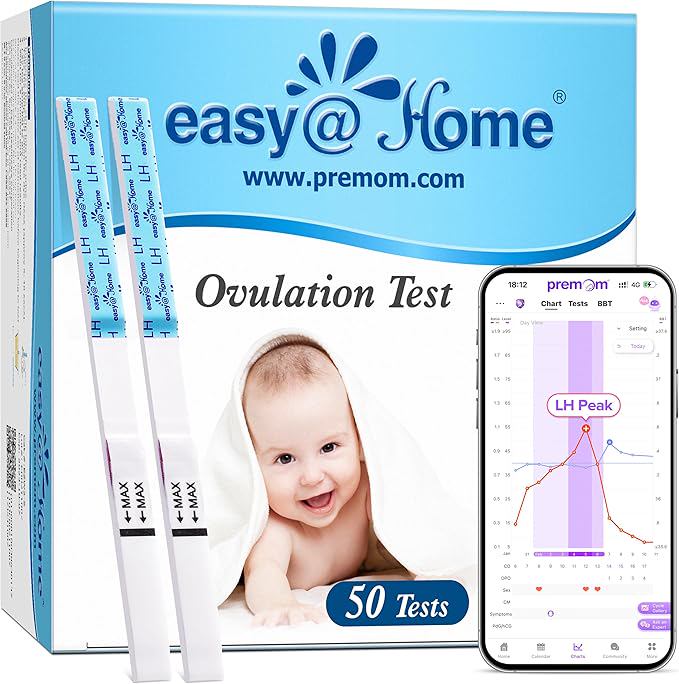
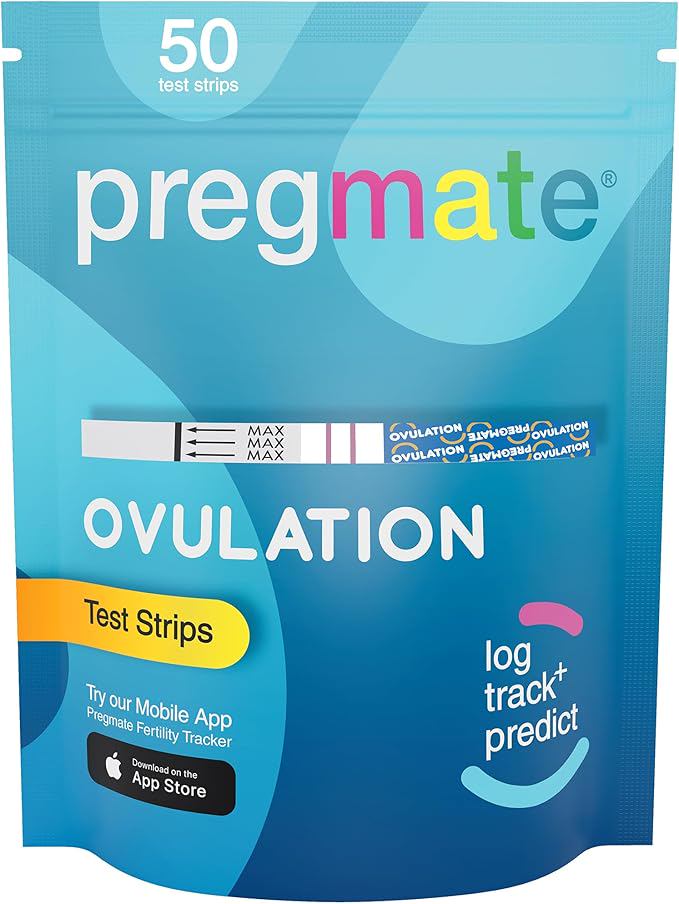
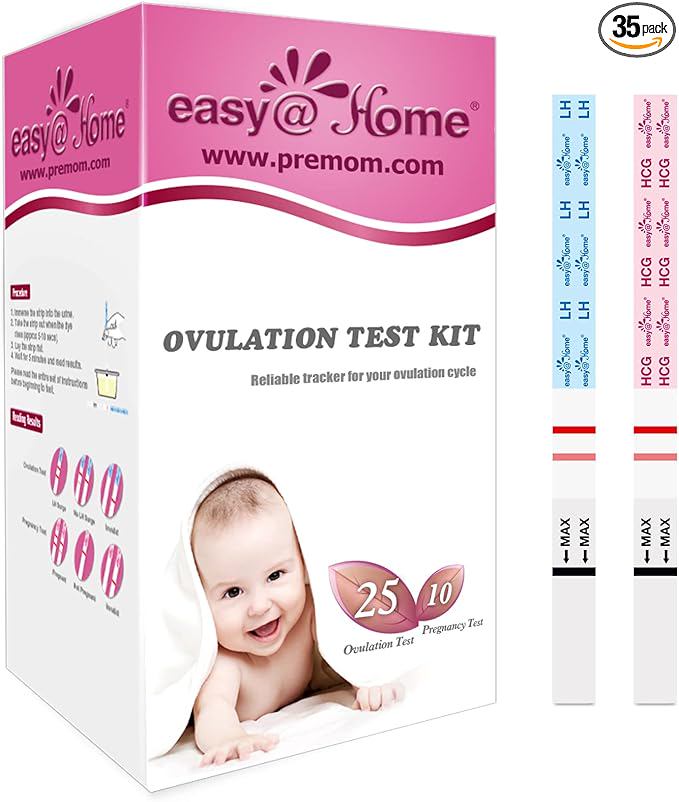
Fertility specialists generally take a step-by-step approach to a short luteal phase. The first step is accurate tracking. Without knowing precisely when you ovulate, you cannot measure the luteal phase. The source material describes several methods for ovulation tracking: calendar calculation, ovulation predictor kits (OPKs), basal body temperature (BBT) charting, and monitoring cervical mucus changes. For women with regular cycles, the fertile window falls roughly between day 10 and day 19. However, for those with irregular cycles, OPKs and BBT charting offer more precision.
Because a short luteal phase often goes unnoticed until a woman begins tracking ovulation carefully, many specialists recommend cycle charting for at least two to three months before assuming a problem exists.
If a short luteal phase is confirmed, treatment options depend on the root cause. For low progesterone, doctors may prescribe bioidentical progesterone supplements, usually as vaginal suppositories or oral micronized capsules, to be taken after ovulation. For PCOS, metformin or lifestyle changes may improve ovulatory quality. If thyroid or prolactin issues are found, correcting them with medication often restores a normal luteal phase. For women with diminished ovarian reserve, the focus may shift to optimizing egg quality through lifestyle and, when appropriate, assisted reproductive technology. Importantly, fertility specialists caution against over-the-counter progesterone creams, which often contain unreliable doses and may not provide enough support for implantation.
When to seek medical advice
Not every short cycle requires medical intervention. If you occasionally have a 10-day luteal phase but mostly have normal 12- to 14-day stretches, your fertility is likely fine. However, specialists recommend evaluation if you have been trying to conceive for a year (or six months if you are over 35) and have consistently short luteal phases. Women over 40 should not delay consulting a specialist. Infertility can stem from a single factor in either partner or from a combination of issues. Fertility screening—including blood tests, semen analysis, and imaging—can identify problems early, allowing treatment before a woman's biological clock becomes an urgent concern.
A final note on early fertility screening
Fertility specialists increasingly encourage all couples, not just those with current fertility problems, to consider preconception screening. A simple blood test can reveal potential issues with ovarian reserve, thyroid function, and prolactin levels. For men, a semen analysis can flag problems that might otherwise go unnoticed until a couple has been trying for months. Early screening does not mean you must start a family immediately; it simply gives you information about your reproductive health so that if a short luteal phase or another issue is found, you can make informed decisions about timing and treatment. As with any health concern, knowledge is the foundation of a calm, effective plan.