
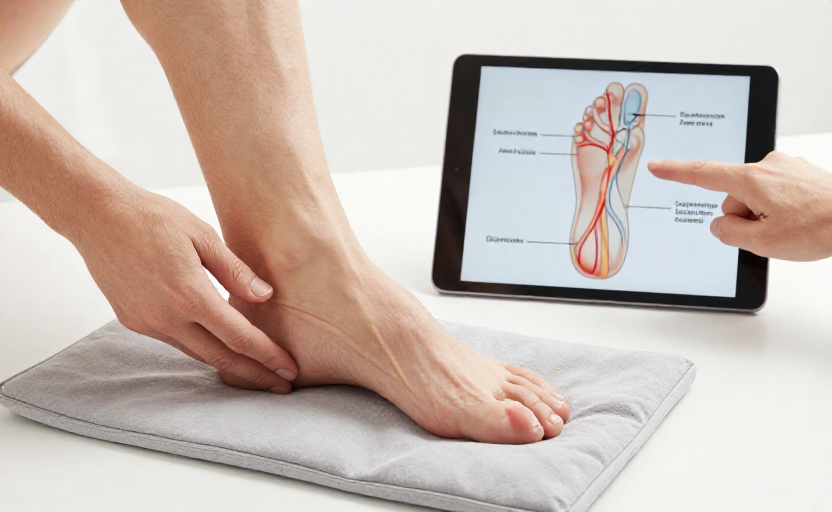
Living with diabetic neuropathy often means dealing with a persistent, burning, or stabbing pain that can make walking, sleeping, or even relaxing feel difficult. It’s one of the most common and frustrating complications of diabetes, and it doesn’t just affect your feet—it can sap your energy and mood, too. While there’s no quick fix, experts have refined their approach based on what the research actually supports. If you’re looking for a clear way forward, here are the three core strategies they consistently recommend.
The Problem with Nerve Pain
Before diving into solutions, it helps to understand why neuropathy pain feels so different from a muscle ache or a joint strain. High blood sugar over time damages the tiny blood vessels that feed your nerves, and it also directly injures the nerve fibers themselves. This damage throws off the signals your nerves send to your brain—cue the tingling, numbness, or stabbing sensations. The key takeaway from specialists is that controlling that underlying glucose damage is the single most important thing you can do to slow or even stop the progression.
Step 1: Tighten Your Blood Sugar Control (The Foundation)
Every conversation with a neurologist or endocrinologist about managing neuropathy pain begins with this: glucose control is the bedrock. A landmark study, the Diabetes Control and Complications Trial (DCCT), showed that intensive blood sugar management could reduce the risk of developing neuropathy by up to 60%. For those already living with it, keeping your A1c in a healthy range can sometimes lead to a noticeable reduction in pain severity over several months.
This doesn't mean striving for perfection—it means aiming for stability. Work with your care team on a plan that might involve:
- Consistent meal timing to avoid dramatic blood sugar spikes and crashes.
- Adjusting medication doses as needed, under medical supervision.
- Focusing on a low-glycemic diet rich in vegetables, lean proteins, and healthy fats.
Even a small, sustained improvement in your A1c can make a measurable difference in how much nerve pain you feel.
Step 2: Consider Medications That Target the Source of the Pain
Standard over-the-counter pain relievers like ibuprofen or acetaminophen are usually not very effective for nerve pain. That’s because diabetic neuropathy isn’t a problem of inflammation from a sprain—it’s a problem of the nervous system sending faulty signals. Doctors therefore turn to other classes of drugs that work on the chemical pathways involved in pain perception.
Approved First-Line Options
According to guidelines from the American Diabetes Association and the American Academy of Neurology, the most effective medications fall into two main groups:
- Gabapentinoids: Drugs like gabapentin and pregabalin (Lyrica) are designed to calm down overactive nerve signals. They are often the first choice for many patients.
- Serotonin-Norepinephrine Reuptake Inhibitors (SNRIs): Duloxetine (Cymbalta) and venlafaxine (Effexor XR) are antidepressants that have also been proven to reduce nerve pain by increasing the availability of certain calming neurotransmitters in the spinal cord.
These medications can have side effects like dizziness or drowsiness, so doctors typically start with a low dose and increase it slowly. Never adjust the dose on your own—it is critical to discuss these options with your prescribing physician.
A note on topical treatments: Some people find relief with lidocaine patches or capsaicin cream, which act locally on the skin. These are considered second-line options but may work well alongside oral medications for some individuals.
Step 3: Incorporate Lifestyle and Physical Therapy for Functional Relief
Medication alone is rarely enough. Experts now emphasize a more holistic approach that includes physical activity and targeted self-care. The goal here is not just to kill the pain in the moment, but to “re-teach” your nervous system and improve your physical function over time.
Physical Activity as a Pain Modulator
Moderate exercise—like brisk walking, swimming, or stationary cycling—can stimulate the release of endorphins, your body’s natural pain relievers. More importantly, regular movement improves blood flow to the peripheral nerves, which can help with healing and reduce the sensation of numbness or burning. Start small: even 10–15 minutes a day can make a difference.
Manual Therapies and Balance Work
Because neuropathy often causes loss of sensation in the feet, falls are a serious risk. A physical therapist can teach you balance exercises and show you how to inspect your feet daily for cuts or blisters you might not feel. Simple stretches for the calves and hamstrings can also reduce the tightness that often accompanies nerve pain.
Putting It All Together
Managing diabetic neuropathy is rarely about one magic bullet. It’s a combination of keeping your blood sugar steady, finding the right medication strategy with your doctor, and actively engaging your body with safe, regular movement. The third step—lifestyle change—is often the hardest to stick with, but it may also provide the most profound long-term benefits for your quality of life.
If your current pain plan isn't working well, don't settle. Push for a referral to a neurologist or a pain management specialist who understands these evidence-based steps. You deserve a plan that addresses the root causes of your pain, not just the symptoms.