When stress hits, many people reach for coffee, tea, or even a glass of wine. But a growing body of research and expert opinion points to a simpler, often overlooked, option: water. Hydration plays a surprisingly direct role in how your body handles pressure, and understanding that connection can give you a practical tool for managing daily stress.
This guide looks at what experts really say about drinking water when you are stressed, the science behind it, and how to make hydration a steady, calming habit—without turning it into another chore.
Why does stress affect your hydration levels?
Stress triggers a cascade of hormonal changes in the body, starting with the release of cortisol and adrenaline. These hormones prepare you for a 'fight or flight' response, raising your heart rate, tightening your blood vessels, and diverting blood flow away from non-essential systems, including the digestive tract. Over time, this state can increase your fluid loss through sweating and even rapid breathing.
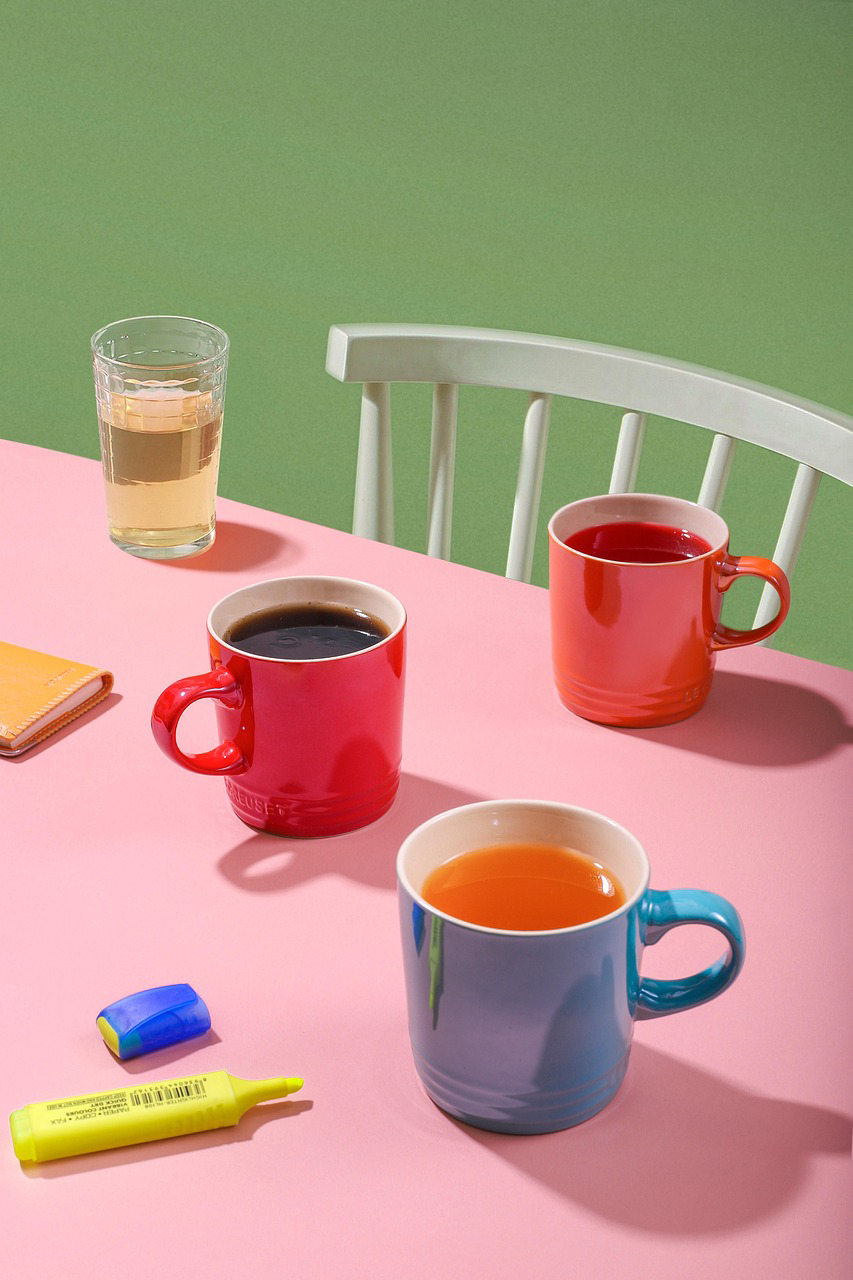
There is also an indirect effect. When you are busy or anxious, you might simply forget to drink water. Caffeine intake often increases during stressful periods, and since caffeine is a mild diuretic, it can further tip the balance toward dehydration. The result is a cycle: low water intake can worsen physical stress symptoms, which in turn makes you less likely to drink enough water.
Can drinking water actually lower stress?
Yes, though it's not a cure-all. Even mild dehydration can raise cortisol levels. A 2018 study published in Psychoneuroendocrinology found that men who drank less water had higher resting cortisol levels and a more pronounced cortisol spike in response to mental stress. Fatigued adrenal glands take more effort to produce cortisol, which can leave you feeling depleted.
When you are well-hydrated, your cardiovascular system works more efficiently. Blood volume stays stable, heart rate remains more controlled, and your body's temperature regulation functions properly. All of these factors help your nervous system stay calm. While drinking water won't erase a difficult situation, it removes the added burden of dehydration from your body's stress response.
How much water do you need when you are under pressure?
There’s no magic number that works for everyone, and expert organizations like the National Academies of Sciences, Engineering, and Medicine generally recommend about 11.5 cups (2.7 liters) of total water per day for women and 15.5 cups (3.7 liters) for men, including water from all beverages and food. However, when you're stressed, you may need to err on the side of slightly more than your baseline.
A better rule of thumb is to let your thirst be your guide—but pay attention. By the time you feel thirsty, mild dehydration has already begun. If you notice a dry mouth, headache, fatigue, or dark urine, those are signs you are behind. During a stressful workday, set a small reminder to take a few sips every hour, even if you don't feel thirsty.
Pro tip: Keep a water bottle on your desk or in your bag. The visual cue alone is often enough to prompt a sip that you might otherwise skip.
What does the research really say about water and mood?
A growing number of observational and interventional studies suggest that even small changes in water intake can shift mood. In one study of healthy young women, a 1.36% loss of body water due to exercise and fluid restriction led to increases in tension, anxiety, and fatigue, while also decreasing concentration and energy. The participants themselves rated their tasks as harder when they were dehydrated, even though task difficulty hadn't changed.
For people with high occupational or emotional demands—such as parents, healthcare workers, or students—the effect may be magnified. Proper hydration has been linked with better cognitive performance, particularly in short-term memory and attention, which are often compromised under acute stress.
Simple strategies for hydrating during a stressful day
Instead of trying to chug a large amount at once, integrate hydration into your natural rhythm. Here are a few evidence-informed tips that experts commonly recommend:
- Pair water with a routine trigger. Drink a glass of water when you first wake up, before each meal, or after you check your email. Anchoring the habit to something you already do makes it automatic.
- Add a pinch of flavor. If plain water feels boring, add a slice of lemon, cucumber, or a few mint leaves. Avoid sugary sodas or juices, as blood sugar spikes can add to the stress load.
- Include high-water foods. Fruits and vegetables like watermelon, cucumber, strawberries, and lettuce contribute a meaningful amount to your daily fluid intake. They also provide electrolytes, which support nerve and muscle function.
- Watch your caffeine. One or two cups of coffee are fine for most people, but if your stress has you reaching for the pot repeatedly, try alternating with water. You will reduce your diuretic load and stay better balanced.
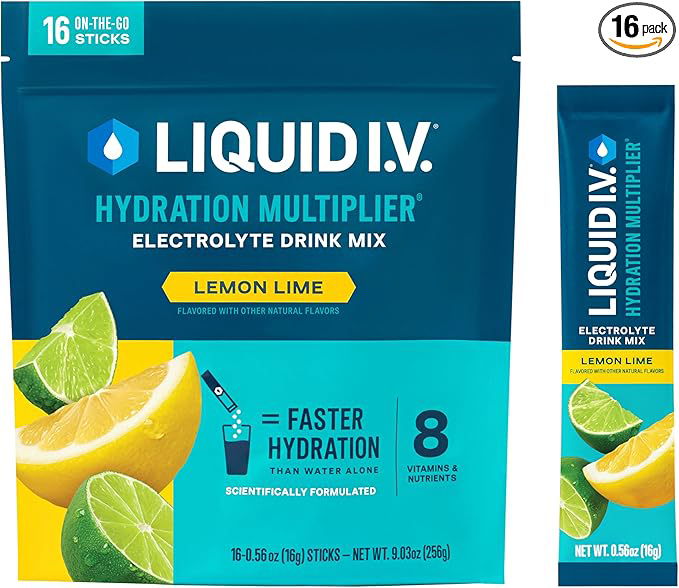
- Drink electrolytes if needed. For those who sweat heavily, feel nauseous from stress, or have been sick, plain water may not be enough. A balanced electrolyte drink (low in added sugar) can help restore sodium, potassium, and magnesium—nutrients that help regulate the stress response.
The bottom line from experts
No clinician would suggest that water alone can cure chronic stress or anxiety disorders. But experts in functional medicine, nutrition, and neuroscience increasingly view hydration as a foundational step in stress management. Your body cannot function well—and your brain cannot regulate emotion—without adequate fluid balance.
When you are in the middle of a hard day, pausing to drink a glass of water is not just a self-care cliché; it is a small act that tells your nervous system: we are okay, we have what we need. That moment of pause can be as valuable as the water itself.
If you are working with a healthcare provider to address high stress, sleep issues, or anxiety, bring up your hydration habits. It is a low-risk, high-reward conversation that could make a real difference in how you feel.