The shelves at your local health store are practically glowing with jars and boxes promising firmer skin, stronger nails, and happier joints. Collagen supplements have become one of the most talked-about additions to the daily wellness routine, but separating the marketing from the science can leave anyone feeling a little foggy. So what do dermatologists, nutritionists, and researchers actually say about collagen? Here’s a grounded, practical look at the evidence and how to make a choice that fits your body and your budget.
What is collagen, and why does it matter?
Collagen is the most abundant protein in the human body. It acts as a kind of scaffolding for your skin, bones, tendons, and ligaments, giving them structure and elasticity. Think of it as the glue that holds everything together — in fact, the word comes from the Greek kolla, meaning glue. As we age, natural collagen production slows down. By our late twenties or early thirties, we start losing about one percent of our collagen each year. That decline contributes to wrinkles, sagging skin, and joint stiffness, which is why collagen supplements have become so popular in the anti-aging space.
What does the research actually show?
It’s a fair question. The supplement world is full of promises that don’t always hold up under scrutiny. When it comes to collagen, the evidence is cautiously encouraging — though not as dramatic as some brands would have you believe.
Several small but well-designed studies have found that taking hydrolyzed collagen (collagen broken down into smaller peptides for easier absorption) can improve skin hydration, elasticity, and density. A 2019 meta-analysis in the Journal of Drugs in Dermatology reviewed eleven trials and concluded that collagen supplements appear to improve skin moisture and firmness, with the best results seen after eight to twelve weeks of consistent use. Other research suggests collagen may help reduce joint pain in athletes and older adults, though the data is less robust than for skin outcomes.
A short caveat: Many collagen studies are funded by supplement manufacturers, and sample sizes tend to be small. The results are promising but not definitive — think of collagen as a supportive player, not a miracle worker.
Types of collagen supplements: what’s the difference?
Not all collagen is created equal. Most supplements fall into three categories, and understanding them can help you choose wisely.
Hydrolyzed collagen (collagen peptides)
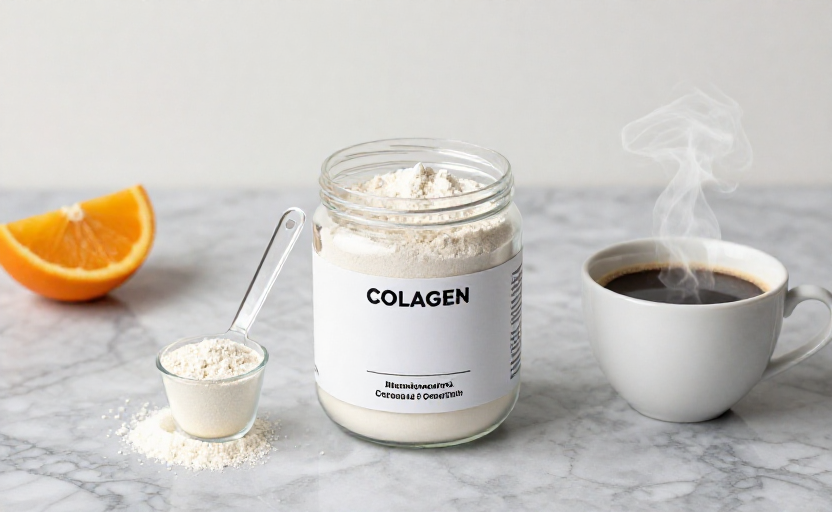
This is the most common form. The collagen has been broken down into short amino acid chains, making it easy for your body to absorb. It dissolves well in hot or cold liquids and is typically tasteless. Look for products labeled “hydrolyzed” or “collagen peptides” — these are the types used in most clinical trials.
Gelatin
Gelatin is essentially cooked collagen. It forms a gel when cooled and is often used in cooking (think gummies or homemade stock). It offers similar benefits but is less convenient for daily supplementation since it doesn’t dissolve in cold liquids as easily.
Undenatured collagen (type II)
This form is usually sourced from chicken cartilage and is most often marketed for joint health. It is not broken down into peptides and is thought to work by training the immune system to tolerate collagen in the joints. The research here is more specific to osteoarthritis and may be worth considering if joints are your main concern rather than skin.
Should you look for a specific source?
Collagen supplements come from animals — there’s no such thing as a vegan collagen supplement that actually contains collagen, though some plant-based formulas claim to support your body’s own collagen production. The three main sources are:
- Bovine (cow): Rich in types I and III collagen, which are most abundant in skin and bones. This is the most common and well-studied source for skin benefits.
- Marine (fish): Primarily type I collagen and often touted for superior absorption. It’s a good option for people who avoid beef, but it can have a slightly fishy taste — look for odor-neutralized versions.
- Porcine (pig): Mostly type I and III, similar to bovine. Less common in powder form but found in some capsules and gummies.
There’s no clear winner. The best source depends on your dietary preferences — if you’re pescatarian, marine collagen is a natural fit. If you want the most research behind it, bovine or marine peptides are both solid choices.
How to choose a quality supplement
Expert consensus on choosing a collagen supplement boils down to a few practical guidelines. Look for these markers:
- Third-party testing. Brands that submit their products to independent lab verification — like from USP, NSF, or ConsumerLab — are more likely to contain what they claim. No heavy metals, no contaminants, and the right amount of collagen per serving.
- Minimal ingredients. A good collagen powder lists collagen peptides as the main ingredient, with no unnecessary fillers, artificial sweeteners, or gums. Flavoring is fine if it helps you take it consistently, but avoid long ingredient lists.
- Transparency about source. Reputable brands clearly state whether their collagen is bovine, marine, or porcine, and often include the country of origin. Grass-fed and pasture-raised claims are not strictly necessary for efficacy but may matter to you from an ethical standpoint.
- Dosage clarity. Effective doses in research range from 2.5 to 15 grams per day, with 10 grams being typical for skin and joint goals. The label should clearly state the amount of collagen per serving — avoid vague terms like “proprietary blend.”
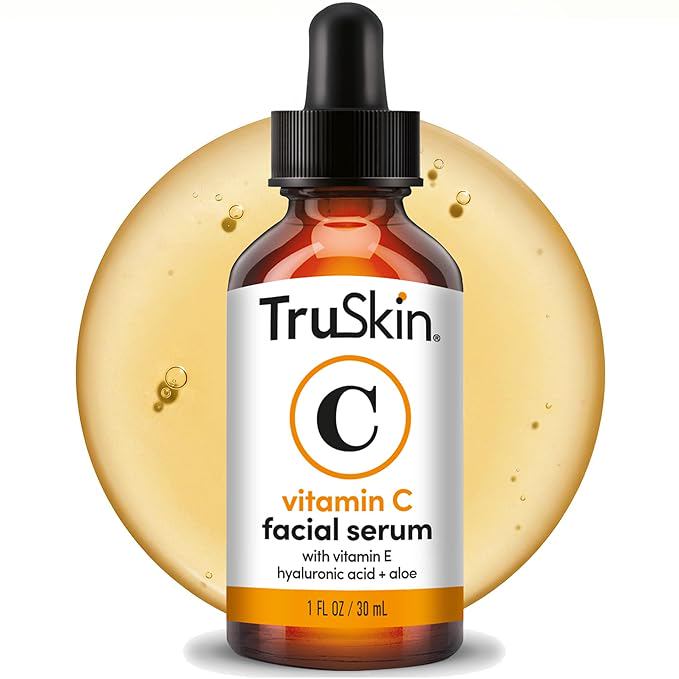
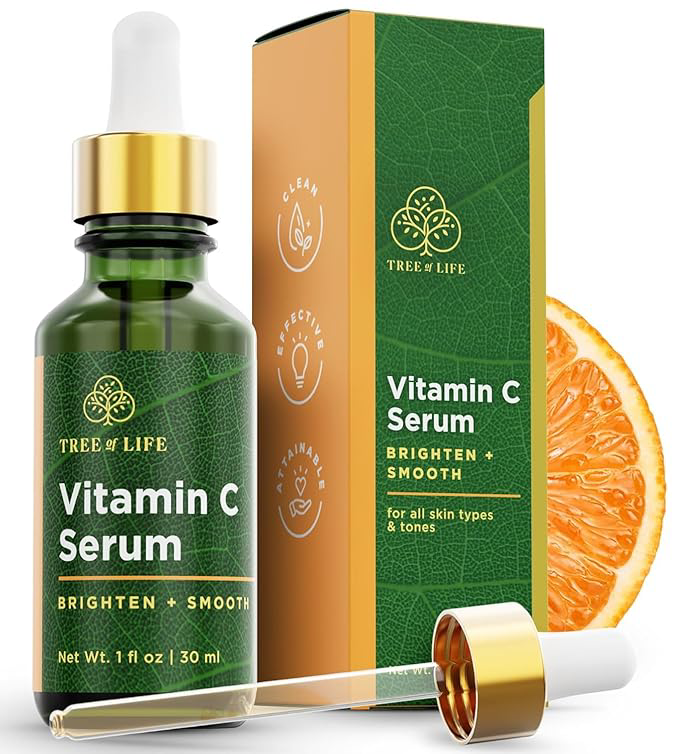
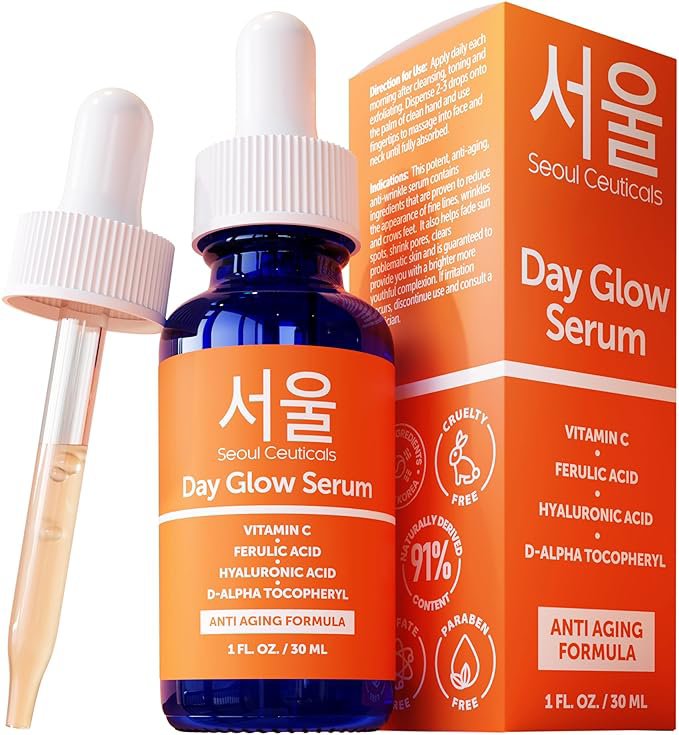
One expert tip: Vitamin C helps your body synthesize collagen. Some supplements include it, or you can pair your morning scoop with a glass of orange juice or a handful of strawberries.
What about side effects and who should skip it?
Collagen is generally safe for most people, but there are a few considerations. Some people report mild digestive issues like bloating or a feeling of fullness, especially when starting with larger doses. Marine collagen can trigger allergic reactions in people with fish or shellfish allergies. And if you have a condition like phenylketonuria (PKU) or a history of kidney stones, it is wise to speak with your doctor before adding any protein supplement to your routine.
It is also worth noting that collagen supplements are not a substitute for a protein-rich diet. Your body can make collagen from a variety of amino acids found in whole foods like bone broth, chicken skin, fish, eggs, and beans. Supplements are a convenience, not a necessity.
The bottom line for choosing wisely
Collagen supplements are a reasonable addition to a balanced anti-aging routine — but they are not a fountain of youth. Experts generally agree that the best choice is a hydrolyzed collagen peptide powder from a trusted brand with third-party testing, taken consistently for at least two to three months before expecting noticeable results. The source (bovine or marine) matters less than the habit of taking it. And never forget that what you do for your skin and joints overall — sun protection, hydration, sleep, and whole-food nutrition — still matters far more than any scoop of powder in your coffee.
If you are curious and your budget allows, it is a low-risk experiment. Just keep realistic expectations and let the evidence — not the marketing — guide your choice.