
We wash it, we moisturize it, we slather it in serums. But the truth is, your skin’s ability to hold onto moisture starts from the inside out. The outermost layer of your skin—often called the stratum corneum—acts like a brick wall. The skin cells are the bricks, and the lipids (fats) between them are the mortar. When that mortar is weak or cracked, water escapes easily, leaving you with that tight, flaky feeling no matter how much cream you use.
Dietitians know that this moisture barrier is built with specific nutrients found in everyday foods. You don’t need a complicated protocol or a cabinet full of expensive supplements. What you need are the right building blocks. Here are six foods that dietitians consistently recommend to support a healthy skin hydration barrier from the inside out.
Why your skin barrier needs fatty fish
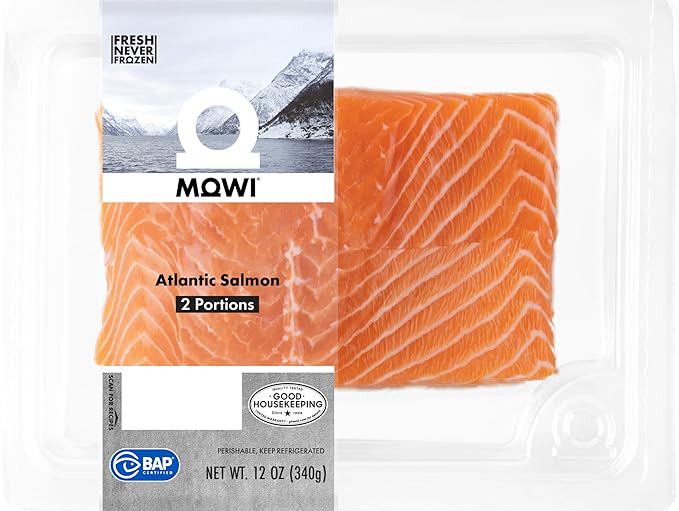
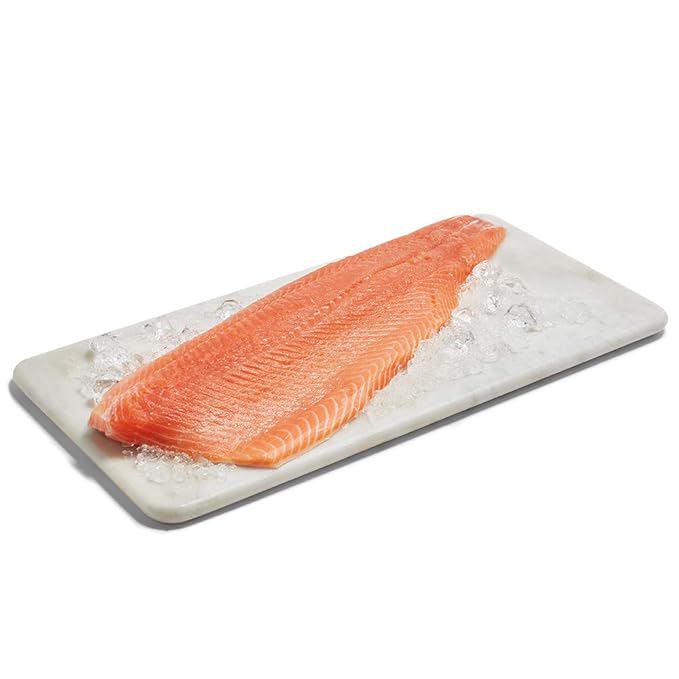
Fatty fish like salmon, mackerel, and sardines are rich in long-chain omega-3 fatty acids, specifically EPA and DHA. These fats get incorporated directly into the cell membranes of your skin cells. Think of them as high-quality oil that keeps the mortar between your skin bricks flexible and supple. When your membranes are fluid and intact, they don't let precious water molecules leak out.
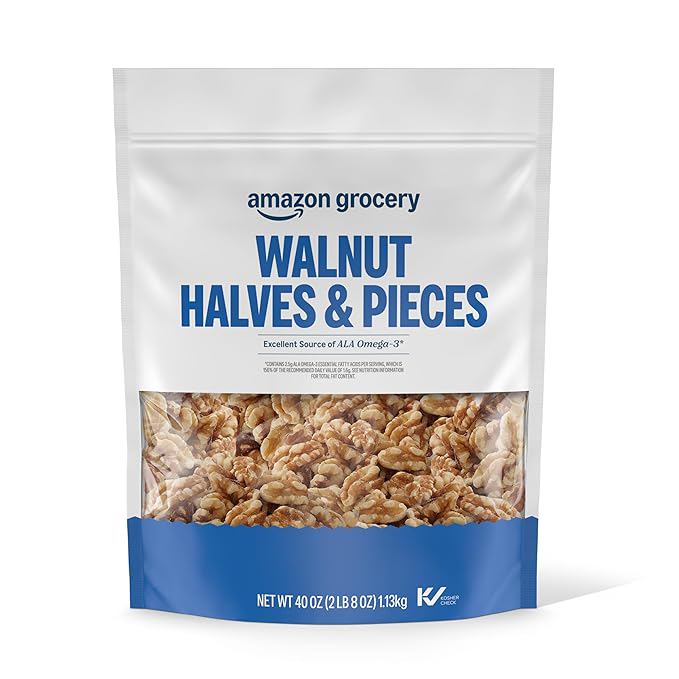
Research also shows that EPA helps regulate the production of sebum, your skin’s natural oil. A balanced sebum layer is crucial for hydration—too little and you’re dry, too much and you’re greasy. Omega-3s also calm the inflammatory response that can break down the barrier over time. Aim for two servings of fatty fish per week. If you don’t eat fish, you can get a smaller amount of plant-based ALA from walnuts and flaxseeds, but your body has to convert it, which is less efficient.
Avocados are more than just a trend
Avocados are packed with monounsaturated fats and vitamin E. The fats help maintain the lipid layer that traps water in your skin. Vitamin E acts as a powerful antioxidant that protects those same fats from oxidizing—imagine it as a preservative that keeps the mortar from getting rancid from pollution and UV exposure.
One study found that women who ate a diet rich in avocados had firmer, more elastic skin. While elasticity isn’t the same as hydration, a healthy barrier is a prerequisite for both. You don’t need a whole avocado every day. A quarter to a half of an avocado in a salad, on toast, or blended into a smoothie is enough to provide a meaningful dose of barrier-supporting fats.
Dietitian tip: Pair avocado with a vitamin C source like lemon juice or tomatoes. The vitamin C helps boost collagen synthesis, which provides the scaffolding that keeps your barrier cells in place.
Nuts and seeds are small but mighty
Almonds, sunflower seeds, and pumpkin seeds are concentrated sources of zinc, copper, and vitamin E. Zinc is particularly important for skin health—it plays a direct role in cell membrane repair and helps regulate the production of new skin cells. A deficiency in zinc is often linked to dry, rough, or inflamed skin that struggles to hold moisture.
Copper works alongside zinc to build and repair connective tissue. Together, these minerals help maintain the structural integrity of the barrier. A handful of mixed nuts or a tablespoon of seeds per day is all it takes. Sprinkle them over oatmeal, yogurt, or a salad. Just be mindful of portion sizes if you’re watching calories—they’re easy to overeat.
How soy supports springy, hydrated skin
Soybeans and whole soy foods like edamame, tofu, and tempeh contain isoflavones, which are plant compounds that mimic estrogen to a very mild degree. Estrogen stimulates the production of hyaluronic acid and collagen in the skin. Hyaluronic acid is the molecule that can hold up to 1,000 times its weight in water—it’s a direct hydration powerhouse for the skin barrier.
Clinical studies suggest that postmenopausal women who consume soy isoflavones show a reduction in fine lines and an increase in skin hydration. While the effect may be more subtle in younger individuals, whole soy foods are a healthy, protein-rich addition to any routine. Fermented options like tempeh also provide gut-supporting probiotics, and a healthy gut microbiome is increasingly linked to clear, well-hydrated skin.
The hidden hydration in sweet potatoes
Sweet potatoes are one of the richest food sources of beta-carotene, which your body converts into vitamin A. Vitamin A is essential for cell turnover—the process of shedding old cells and replacing them with new ones. A sluggish turnover can lead to a buildup of dead cells that interfere with your barrier’s ability to function, creating rough patches that won't hold water.
Furthermore, vitamin A supports the production of glycosaminoglycans, the compounds that attract and bind water in the deeper layers of your skin. A baked sweet potato with the skin on delivers fiber, potassium, and a generous dose of beta-carotene in one package. Eat it with a bit of healthy fat, like olive oil or butter, to help your body absorb the fat-soluble vitamin A.
Dark leafy greens for mineral support
Spinach, kale, and Swiss chard are packed with vitamins A, C, and K, plus iron and calcium. Vitamin C is a critical cofactor for collagen synthesis. Without enough collagen, the skin barrier becomes thin and fragile. The iron in greens helps oxygenate skin cells, supporting the energy processes they need to repair and maintain the barrier daily.
Leafy greens also contain a substantial amount of water and fiber. The water contributes to your overall hydration status, and the fiber supports a healthy gut. A growing body of evidence connects a balanced gut microbiome to reduced systemic inflammation and healthier skin. Try adding a handful of spinach to your morning smoothie or sautéing kale with garlic for a simple side.
Supports for this article include clinical research on omega-3 fatty acids and skin barrier function, as well as population studies on the intake of antioxidants like vitamins C and E and their correlation with skin hydration. Dietary patterns rich in whole foods, healthy fats, and colorful produce consistently outperform supplements in maintaining skin health. For specific concerns about dry or compromised skin, a registered dietitian or dermatologist can help tailor recommendations to your individual needs.