
Noticing something different in your child can be unsettling. Maybe they are drinking more water than usual, making extra trips to the bathroom, or seem tired despite a full night’s sleep. These subtle changes are easy to brush off—growth spurts, summer heat, a busy schedule—but they can also be early signs of diabetes. Understanding what to look for can make a real difference, because catching type 1 diabetes early helps avoid a serious complication called diabetic ketoacidosis (DKA). This guide walks through the common symptoms, what to do if you notice them, and how to approach the next steps with calm confidence.
What are the earliest signs of diabetes in a child?
The classic trio of symptoms in children is the same as in adults, but they can show up faster and more intensely. Look for:
- Frequent urination (polyuria). A potty-trained child may start wetting the bed again, or you may notice they ask to use the bathroom constantly, especially at night.
- Excessive thirst (polydipsia). They cannot seem to quench their thirst. They might drink juice, water, or milk in large amounts and still ask for more.
- Unexplained weight loss. Despite eating normally or even more than usual, the child is losing weight. This happens because the body cannot use glucose for energy and starts breaking down fat and muscle instead.
Other early clues include persistent fatigue, blurry vision, and a fruity smell on the breath—the last one signals ketones building up, which requires immediate medical attention.
Why are these symptoms often missed?
Children get thirsty, they get tired, and they sometimes have accidents. The challenge is that these early signs can blend into everyday life. For example, a child drinking more might just be going through a growth spurt or playing outside in the heat. Bedwetting after being dry for months is a classic red flag, but parents may initially blame stress or a urinary tract infection. Because type 1 diabetes can develop over a few days or weeks, the changes can feel gradual until suddenly they are unmistakable.
If your child is drinking and urinating much more than usual for more than a day or two, do not wait—trust your instincts and call your pediatrician.
Could it be type 1 or type 2 diabetes?
Most childhood diabetes is type 1, an autoimmune condition where the pancreas stops making insulin. It can appear at any age, even in infancy. Type 2 diabetes, once considered an adult condition, is increasingly seen in children and teenagers, especially those with a family history or who are overweight. The symptoms overlap, but type 2 often develops more slowly and may not include dramatic weight loss. Regardless of the type, the immediate concern is stabilizing blood sugar and preventing DKA.
What is diabetic ketoacidosis (DKA)?
DKA is a life-threatening emergency that occurs when the body runs out of insulin and starts burning fat too quickly, producing acidic ketones. Early signs include nausea, vomiting, abdominal pain, deep rapid breathing, confusion, and that fruity breath. DKA is more common at the onset of type 1 diabetes, which is why early recognition matters so much. If your child seems extremely tired, is breathing fast, or is vomiting without a fever, head to the emergency room immediately.
How is diabetes diagnosed in children?
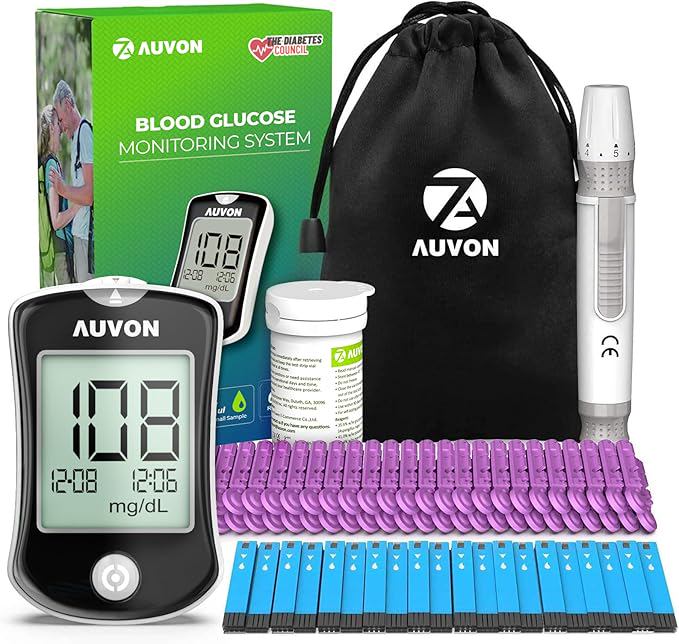
If you suspect diabetes, your pediatrician will do a simple finger-stick blood sugar test. A random blood sugar level of 200 mg/dL or higher, combined with symptoms, is enough to diagnose diabetes. They may also check a urine sample for ketones and order a blood test called hemoglobin A1c, which reflects average blood sugar over the previous two to three months. Many doctors will also test for autoantibodies to confirm type 1 diabetes. Do not try to manage this at home—diagnosis and initial treatment should always happen under medical supervision.
What should a parent do next?
First, do not panic. Diabetes is a serious condition, but with modern treatment, children with diabetes lead full, active, wonderful lives. The moment you suspect something, make an appointment with your child’s primary care provider. If symptoms are severe (vomiting, rapid breathing, confusion), go to the ER. After diagnosis, you will be referred to a pediatric endocrinologist and a diabetes education team. They will teach you and your child how to check blood sugar, give insulin, count carbohydrates, and manage sick days.
Parents often feel overwhelmed at first, but the learning curve is real and manageable. Connect with other families through support groups or online communities—they can offer practical tips and emotional support that medical providers may not cover.
Can early diabetes symptoms be prevented?
For type 1 diabetes, there is currently no known prevention. It is an autoimmune condition, and scientists are still studying triggers. For type 2 diabetes, a healthy lifestyle—balanced diet, regular physical activity, maintaining a healthy weight—can reduce risk significantly. For both types, the goal is early detection. Knowing the signs gives you the power to act fast, which can prevent a child from becoming very ill at diagnosis.
Your instincts as a parent are your best tool. If something feels off, even if you cannot put your finger on it, speak up. A quick blood sugar check could be the step that keeps a child out of the hospital and sets them on a path to healthy management. Pediatric diabetes is challenging, but with a good team and early intervention, children thrive.