
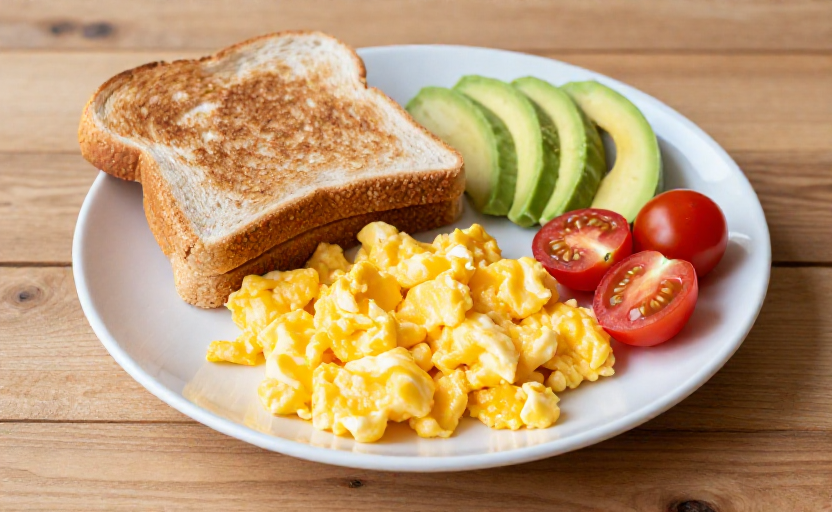
You know the feeling. The mid-morning crash that leaves you irritable and foggy, or the shaky, anxious energy that follows a sugary start. What you eat first thing doesn't just fuel your body—it sets the tone for your mind. A mood-stable breakfast is less about a single "superfood" and more about a thoughtful combination of nutrients that work together to support steady energy and emotional balance throughout the day.
Registered dietitians emphasize that building this foundation is a powerful, accessible form of self-care. It's about choosing foods that prevent the blood sugar rollercoaster, a primary culprit behind mood swings, fatigue, and cravings. By focusing on a few key principles, you can create a morning routine that supports not just physical satiety, but mental clarity and resilience.
Why breakfast has such a powerful effect on your mood
Think of your brain as the most demanding organ in your body. It requires a constant, high-quality supply of fuel to manage everything from concentration to emotion regulation. After a night of fasting, breakfast replenishes your brain's primary energy source: glucose. How you deliver that glucose makes all the difference.
A breakfast high in refined carbohydrates and sugar—think pastries, sugary cereals, or white toast with jam—causes a rapid spike in blood sugar. Your body responds by releasing a large amount of insulin to usher that sugar into your cells, which can then lead to a sharp drop, or "crash." This crash is often accompanied by feelings of anxiety, irritability, shakiness, and mental fog. It's a physiological stress response.
A mood-stable breakfast, in contrast, aims for a gentle rise and sustained release of energy. This is achieved by combining macronutrients—protein, healthy fats, and fiber-rich carbohydrates—that slow digestion and the absorption of sugars. The result is a steadier supply of fuel to the brain, which helps maintain emotional equilibrium and focus for hours.
The goal isn't perfection, but consistency. A balanced breakfast most days builds a reliable foundation for your mood.
The core components of a mood-supportive meal
Dietitians suggest building your plate around three pillars. You don't need all three in massive quantities; even a modest amount of each can create a synergistic effect.
Protein: This is the anchor. Protein slows gastric emptying, meaning it helps you feel full longer and significantly moderates the blood sugar response to any carbohydrates eaten alongside it. It also provides the amino acids that are precursors to neurotransmitters like dopamine and serotonin, which influence mood and motivation. Sources include eggs, Greek yogurt, cottage cheese, tofu, tempeh, legumes, nuts, and seeds.
Fiber-Rich Carbohydrates: Choose complex carbs that come packaged with fiber. Fiber acts as a natural brake on digestion. Instead of refined grains, opt for whole grains like oats, quinoa, or whole-wheat bread, or carbohydrates from whole fruits and vegetables. The fiber ensures the natural sugars in these foods are released slowly.
Healthy Fats: Fats are essential for brain health and further slow the digestion process. They also aid in the absorption of fat-soluble vitamins. Include sources like avocado, nut butters, seeds (chia, flax, hemp), or a drizzle of olive oil.
Practical ideas to get started
Translating principles into practice can be simple. Here are a few dietitian-inspired combinations that balance these elements.
- Savory Oatmeal: Cook rolled oats with a pinch of salt. Top with a soft-boiled or fried egg, a handful of spinach, and a sprinkle of pumpkin seeds. The oats provide fiber, the egg offers protein and fat, and the seeds add crunch and minerals.
- Greek Yogurt Parfait: Use plain, full-fat or 2% Greek yogurt for protein and fat. Layer with berries (fiber and antioxidants) and a tablespoon of chopped walnuts or ground flaxseed (healthy fats and more fiber).
- Whole-Grain Toast Combo: Two slices of whole-grain or sourdough toast topped with mashed avocado (healthy fat) and a couple of slices of smoked salmon or a sprinkle of chickpeas (protein). Add a side of cherry tomatoes.
- Simple Smoothie: Blend unsweetened milk or a milk alternative with a scoop of protein powder or a few tablespoons of Greek yogurt, a handful of spinach, half a frozen banana, and a tablespoon of almond butter. The key is including that protein and fat source to balance the fruit's natural sugars.
What to be mindful of
While building your breakfast, it's helpful to be aware of common pitfalls. Relying solely on fruit, juice, or sweetened coffee drinks can set you up for a crash. Even seemingly healthy options like most granolas and flavored yogurts can be high in added sugars, which undermine stability. Reading labels for added sugars and prioritizing whole, minimally processed foods is a helpful strategy.
Hydration also plays a role. Starting your day with a glass of water can help with cognition and energy levels, as mild dehydration can mimic feelings of fatigue.
Ultimately, a mood-stable breakfast is a form of nourishment that respects the connection between your gut and your brain. It’s a daily opportunity to choose foods that provide sustained energy and support your emotional well-being. By focusing on balance—a bit of protein, some smart carbs, and a source of healthy fat—you create a plate that supports a calmer, more focused, and resilient you.