
Menopause brings a cascade of hormonal shifts that can make weight management feel like an uphill battle. Lower estrogen levels tend to redistribute fat storage toward the abdomen, and metabolic rate often dips—but the right foods can help you work with your body, not against it. Dietitians emphasize that this is less about restriction and more about strategic additions to your plate.
Rather than chasing fad diets, focus on eating patterns that support stable blood sugar, preserve lean muscle, and calm inflammation. Here is what the research and clinical experience point to.
Prioritize Protein at Every Meal
Muscle mass naturally declines with age, and because muscle burns more calories at rest than fat does, losing it can further slow metabolism. Protein is the key building block for preserving that tissue. Dietitians recommend spreading protein intake across three meals rather than loading up at dinner. Aim for roughly 20–30 grams per meal—think three eggs with spinach at breakfast, a cup of lentils or a palm-sized piece of chicken at lunch, and grilled fish or tofu with dinner. Good sources include poultry, fish, eggs, dairy, legumes, and soy products like edamame or tempeh.
Load Up on Fiber-Rich Vegetables and Whole Grains
Fiber does double duty: it slows digestion, which steadies blood sugar and curbs cravings, and it helps you feel full on fewer calories. Non-starchy vegetables—broccoli, bell peppers, leafy greens, cauliflower—pack fiber without many calories. Whole grains like oats, quinoa, barley, and brown rice provide sustained energy and additional fiber. Dietitians suggest aiming for at least 25–30 grams of fiber daily. Swapping refined white bread for whole-grain versions and adding a salad or roasted vegetables to lunch and dinner are simple starting points.
Include Healthy Fats, Especially Omega-3s
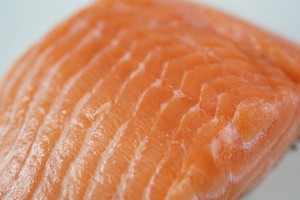
Healthy fats are not the enemy. They support hormone production, reduce inflammation, and improve satiety. Omega-3 fatty acids, found in fatty fish such as salmon, mackerel, and sardines, as well as in walnuts, flaxseeds, and chia seeds, have been shown to help reduce the low-grade inflammation that can accompany menopause and contribute to weight gain. Dietitians often advise two servings of fatty fish per week. Avocados, olive oil, and almonds round out a fat-friendly plate.
Choose Smart Carbohydrates and Limit Added Sugars
Menopause can make blood sugar regulation trickier. Spikes in glucose tend to trigger insulin release, which encourages fat storage, especially around the midsection. Opt for carbohydrates that come with fiber attached—berries, apples, sweet potatoes, beans—rather than fruit juices or refined snacks. Dietitians caution against cutting carbs entirely; the goal is to pair them with protein and fat to blunt the blood sugar response. When you do want something sweet, a square of dark chocolate or a serving of plain yogurt with berries is a better choice than a sugary pastry.
Stay Hydrated and Watch Caffeine and Alcohol
Dehydration can mimic hunger, leading to unnecessary snacking. Water also supports digestion and metabolism. Dietitians recommend drinking water throughout the day—at least eight cups, more if you are active. Caffeine and alcohol can both disrupt sleep and trigger hot flashes for some women; poor sleep is strongly linked to weight gain because it alters hunger hormones. If you drink alcohol, stick to one serving or less per day, and consider cutting off caffeine after noon to protect sleep quality.
Build Meals Around a Simple Formula
One practical strategy dietitians teach is the plate method: fill half your plate with non-starchy vegetables, a quarter with lean protein, and a quarter with complex carbohydrates (like quinoa, sweet potato, or beans). Add a small amount of healthy fat—a drizzle of olive oil or a few slices of avocado. This structure automatically balances nutrients and calories without requiring any counting.
Dietitian tip: If you are not hungry at breakfast, a small protein-rich option—Greek yogurt with nuts—can still stabilize your blood sugar and prevent afternoon bingeing.
Consistency Beats Perfection
No single food will undo menopausal weight changes. Dietitians stress that eating well most of the time, staying active with both aerobic and strength training, and managing stress are the real cornerstones. Small, sustainable shifts—like adding a vegetable to lunch or swapping a soda for sparkling water—accumulate over months into meaningful changes in body composition and energy.