Morning routines vary, but for many dietitians, breakfast is a deliberate act of gut care. They are not reaching for a specific "superfood" every single day. Instead, they build meals around a few consistent principles that support the trillions of microbes living in the digestive tract. The goal is usually stability, not perfection.
The morning meal offers a unique chance to feed the gut microbiome before the day's stress and irregular eating patterns take over. A well-chosen breakfast can set a foundation for better digestion, steadier energy, and even immune function. Here is what the research and the professionals point toward.
The core strategy: fiber first
The single most common theme among gut-health-focused dietitians is prioritizing fiber early. Specifically, they aim for a mix of two types: soluble fiber (which dissolves into a gel-like texture and feeds beneficial bacteria) and insoluble fiber (which adds bulk and keeps things moving). Most whole plant foods contain both.
- Oats with added seeds. Oatmeal is a blank canvas. Dietitians often top it with ground flaxseed, chia seeds, or hemp seeds. This adds omega-3s and additional soluble fiber that the gut bacteria ferment into short-chain fatty acids, which are key for colon health.
- Cooked vegetables at breakfast. This surprises many people. A common habit is sautéing spinach, mushrooms, or bell peppers into eggs or tofu scramble. It is a simple way to get a serving of vegetables in before lunch.
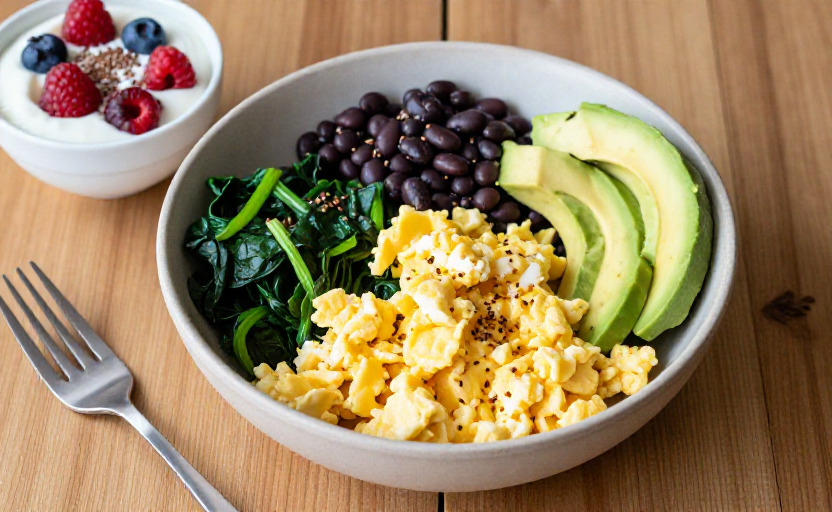
- Legumes in savory bowls. Leftover lentils or black beans from the night before are sometimes added to a breakfast bowl with eggs and avocado. This significantly boosts the resistant starch content, which acts as a prebiotic.
Why yogurt is a frequent (but not automatic) pick
Many dietitians do include yogurt, but they are selective. The key is choosing plain yogurt with live active cultures and no added sugar. Sugar can feed less desirable bacteria and yeast. A typical serving is around ¾ cup of plain Greek or skyr yogurt, paired with berries and a tablespoon of nuts or seeds.
"I look for yogurt that lists specific strains like Lactobacillus acidophilus and Bifidobacterium lactis on the label, and I always check that the sugar content is under 5 grams per serving without artificial sweeteners." — common clinical advice.
For those who avoid dairy, unsweetened coconut or almond yogurt fortified with live cultures is an option, though the protein content is lower. The fermented aspect is the draw here, not the dairy itself.
The anti-inflammatory fat component
Gut health is closely tied to inflammation levels. A breakfast that includes a source of omega-3-rich fats or monounsaturated fats is common in dietitian meal plans. These fats help maintain the integrity of the gut lining.
Practical examples include:
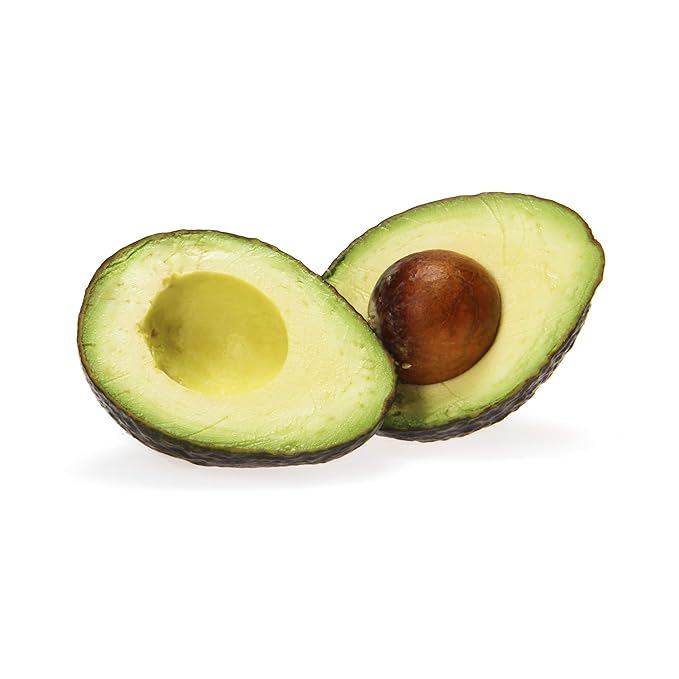
- Half an avocado sliced onto whole-grain toast with a poached egg.
- A small handful of walnuts mixed into oatmeal.
- Two tablespoons of tahini drizzled over a grain bowl.
These additions also help with the absorption of fat-soluble vitamins from the vegetables or fruit in the meal.
What you rarely see in a gut-healthy breakfast
Equally important is what dietitians generally avoid at breakfast, even if it seems convenient. The list is short and consistent:
- Processed breakfast meats. Bacon and sausage are high in saturated fat and preservatives like nitrates, which can irritate the gut lining in sensitive individuals.
- Refined grain pastries. Bagels, muffins, and pastries made from white flour lack the fiber needed to feed the microbiome. They also spike blood sugar quickly.
- Fruit juice. Even unsweetened juice strips away the fiber from the fruit. A whole orange provides fiber and polyphenols; a glass of orange juice provides mostly sugar and water.
Two sample breakfasts from gut-focused dietitians
Option 1: The savory bowl. ½ cup cooked quinoa or brown rice, 1 scrambled egg with a handful of chopped spinach, ¼ cup black beans, ¼ avocado sliced, and a drizzle of salsa. This provides fiber, protein, healthy fats, and polyphenols from the vegetables.
Option 2: The parfait (reimagined). ½ cup plain full-fat Greek yogurt, ¼ cup frozen wild blueberries (heated briefly), 1 tablespoon ground flaxseed, and 1 tablespoon crushed walnuts. No granola with added sugar—just whole food toppings.
Does timing matter?
Some dietitians practice time-restricted eating, but the more common advice is to eat breakfast within about two hours of waking. This aligns with the body's natural cortisol rhythm and helps regulate the gut's motility. The consistency of the habit—eating a fiber-rich meal around the same time each morning—appears more important than eating at a specific hour.
Hydration at breakfast counts too
Starting the day with a glass of water before coffee is a common practice. Coffee itself can stimulate digestion and contains polyphenols that feed gut bacteria, but drinking it on an empty stomach irritates some people. Dietitians often recommend drinking water first, waiting ten to fifteen minutes, then having coffee with or after breakfast.
Caffeine can be a gut trigger. If you experience loose stools or heartburn, try reducing your morning coffee intake or switching to a low-acid blend.
The takeaway is not that you must eat a specific breakfast to have a healthy gut. It is that small, consistent choices—adding a vegetable, choosing whole grains over refined, incorporating fermented foods—compound over time. The dietitians who advise patients on gut health generally practice these principles themselves, but they still keep it realistic. A gut-healthy breakfast does not need to be elaborate or expensive. It just needs to be intentional.