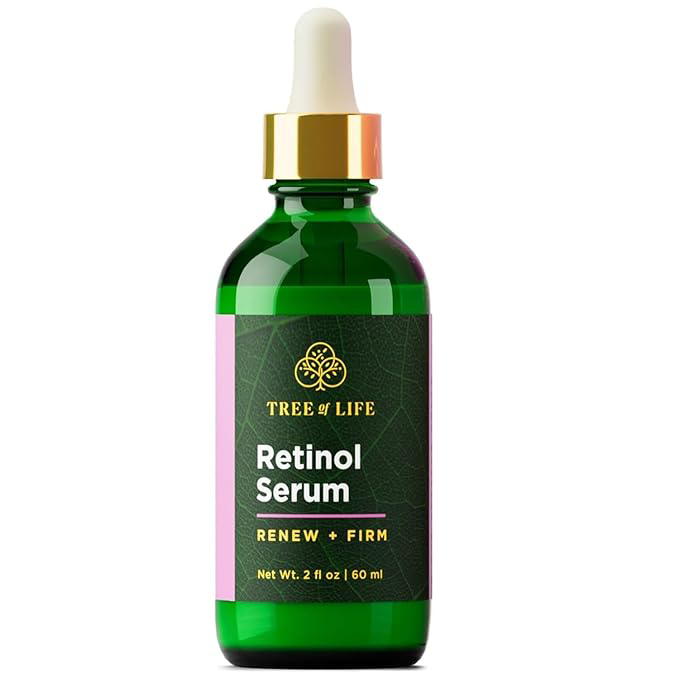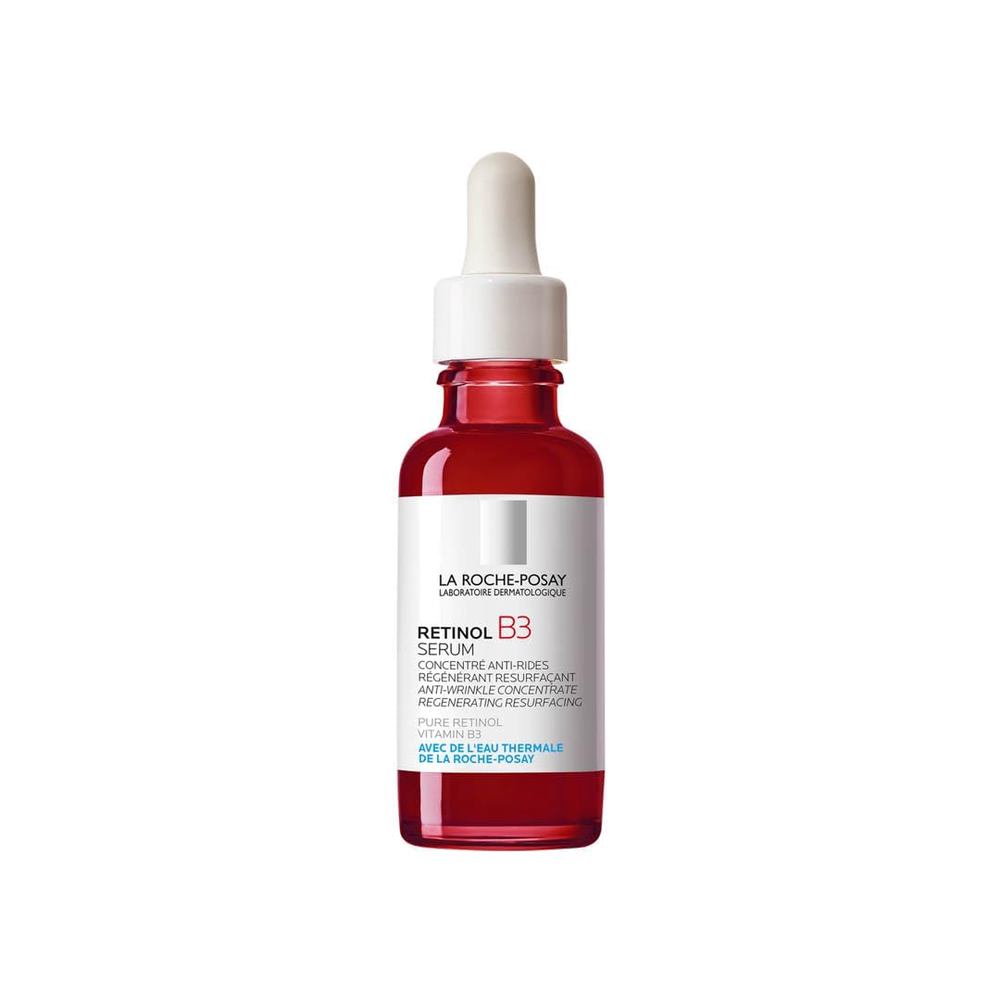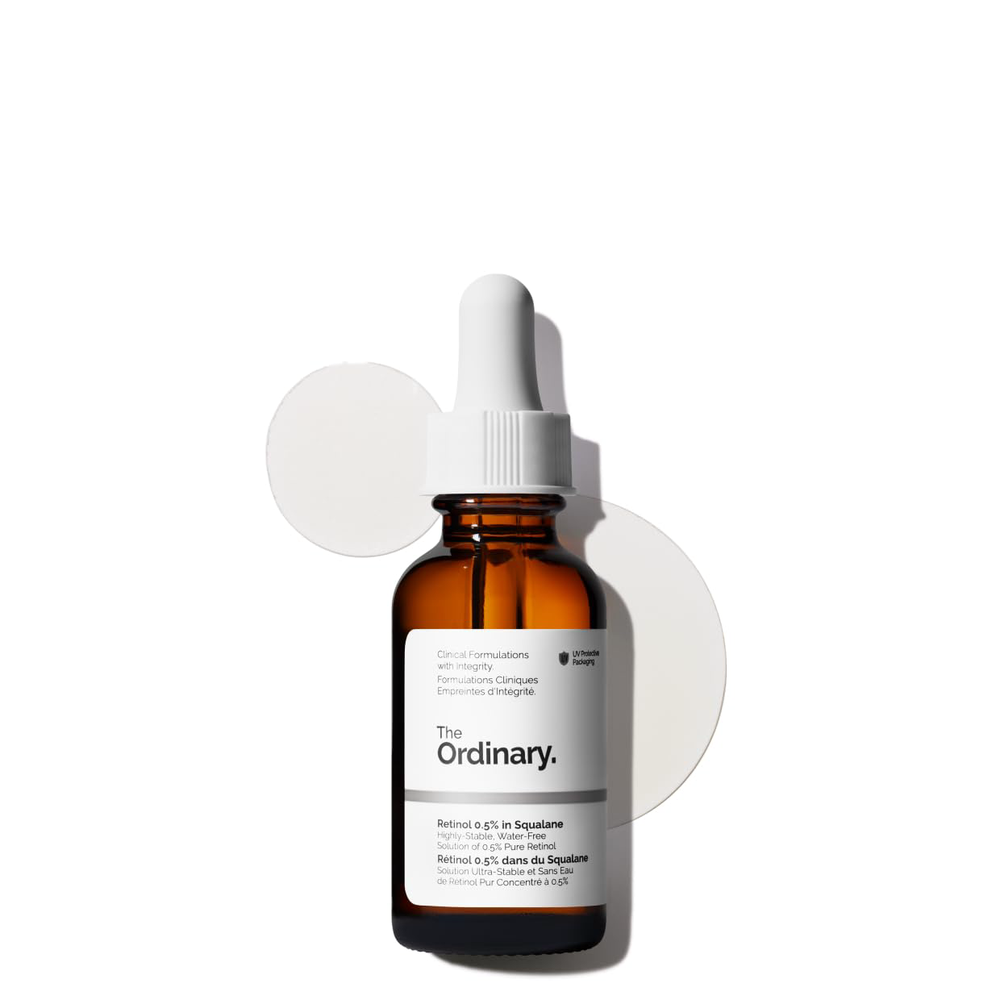
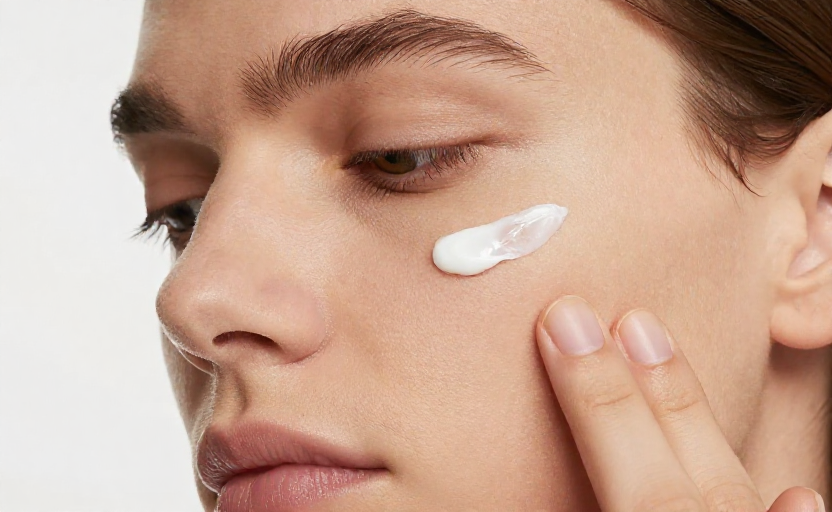
Retinoids are a gold standard in dermatology for addressing fine lines, uneven texture, and signs of sun damage. But they can come with a frustrating side effect: a tired, hollow, or irritated look around the eyes. If you’ve noticed more pronounced under-eye shadows, crepey skin, or a gaunt appearance since starting your retinoid routine, you are not imagining it, and you are not alone.
The good news is that this reaction is rarely a sign that you need to abandon retinoids entirely. More often, it signals that your application method, supporting skincare, or product formulation needs a targeted adjustment. Here is exactly what a dermatologist considers first when patients report that their retinoid is making their eyes look more fatigued.
Why Do Retinoids Make the Eye Area Look Tired?
The skin around your eyes is thin, delicate, and has fewer oil glands than the rest of your face. Retinoids accelerate cell turnover, which can cause temporary dehydration and barrier disruption. When the under-eye skin loses moisture and lipid content, it can appear deflated, dull, and lined. The problem is often less about the retinoid itself and more about where and how it is migrating during sleep.
A key insight: A 0.1% difference in distance can be the difference between glowing skin and irritated, tired-looking eyes. Most retinoid-induced eye issues are caused by product migration, not by the product itself.
The First Fix: Adjust Your Application Zone
Dermatologists almost always start by addressing application boundaries. The orbital bone—the hard rim of bone you can feel around your eye socket—is your safety line. Apply your retinoid no closer than half an inch below this bone and avoid the upper lid entirely. If you have been dotting product near the lash line or inner corner, stop. That area absorbs product aggressively and rarely needs active retinoid treatment.
Also consider the timing of your moisturizer. A simple layering change often resolves the problem: apply a rich, fragrance-free moisturizer around the eyes first, wait ten minutes, then apply your retinoid to the rest of the face. This creates a protective buffer that still allows the rest of your skin to benefit from the retinoid.
Switch to a Retinoid-Ester or Lower Concentration
Not all retinoids are created equal. If a high-strength prescription tretinoin (0.05% or 0.1%) is causing orbital fat loss or persistent irritation, stepping down to a lower concentration or switching to a retinoid ester such as retinyl propionate can be a game changer. These milder forms still stimulate collagen production but are far less likely to cause the barrier disruption that leads to a tired appearance under the eyes.
For those using over-the-counter retinol, consider a microencapsulated formula. These release the active ingredient slowly, reducing the risk of migration into sensitive eye-area skin while you sleep. No matter which form you choose, start with a pea-sized amount for your entire face—more product does not mean more results, only more irritation.
Hydrate and Protect the Under-Eye Skin Separately
Retinoids deplete the skin’s natural moisturizing factors, and the eye area is the first place this becomes visible. A dedicated eye cream with ceramides, squalane, or peptides can help maintain the structural integrity of the under-eye skin. However, the most important support product is a simple, occlusive barrier cream. Applying a thin layer of petrolatum-based ointment or a rich balm directly under the eyes before applying your retinoid elsewhere can prevent the active ingredient from migrating into that zone during sleep.
Hydration also comes from within. While no dermatologist would prescribe a specific fluid intake, it is worth noting that mild systemic dehydration shows up first under the eyes. If you are consuming caffeine or alcohol near bedtime, that can compound the drying effects of retinoids during the night.
Restore the Skin Barrier With Strategic “Retinoid Holidays”
Dermatologists often recommend a retinoid holiday—two to three nights off per week—specifically to let the periocular skin recover. This is not a sign of failure; it is a strategic reset. On your off nights, focus exclusively on barrier repair. Use a gentle, non-foaming cleanser followed by a ceramide-rich moisturizer and an occlusive layer over the eye area.
If you have already developed visible under-eye crepiness or shadows, a targeted hydrating serum containing hyaluronic acid or polyglutamic acid applied on damp skin can temporarily plump the area. This will not reverse any structural fat loss, but it will improve the appearance of tiredness by restoring surface hydration and light reflection.
When to Consider a Different Eye Treatment
For some individuals, the eye area simply never acclimates to topical retinoids. In these cases, a board-certified dermatologist may suggest alternative approaches that deliver results without the tired-eye side effect. A series of microneedling treatments (performed professionally, not at home) can stimulate collagen in the under-eye region without the transepidermal water loss caused by topical retinoids. Similarly, growth factor serums or exosome-based products may offer rejuvenating effects that are better tolerated by sensitive eye-area skin.
Understand that true orbital fat loss—which causes a hollow, shadowed appearance—is not reversible with creams alone. If you suspect your retinoid has caused permanent volume loss, a professional consultation is the appropriate next step. A dermatologist can assess whether an in-office treatment is needed and help you decide whether to continue retinoid use elsewhere on the face while treating the eye area differently.
Retinoids are powerful tools, but they require respect for the unique vulnerability of the eye-area skin. A tired appearance is usually a signal to refine your technique, not to give up. With small changes in how and where you apply the product, and with dedicated support for your skin barrier, you can typically keep the anti-aging benefits of retinoids without the unwanted fatigued look.