
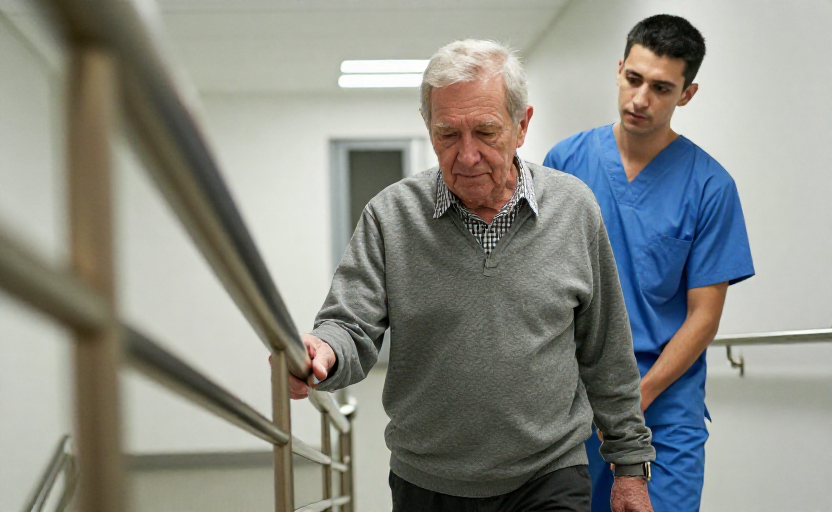
For many older adults, a fall isn't just a stumble—it can be a turning point. The fear of falling often leads to reduced activity, weaker muscles, and even more instability. That is why identifying the warning signs early matters so much. If you are caring for an aging parent or spouse, being able to spot these clues before an accident happens gives you a real chance to intervene and keep them steady on their feet.
Falls rarely come without notice. In most cases, the body and the environment send small, consistent signals long before a person loses their balance. The key is knowing what to look for and not dismissing these signs as just another part of getting older.
What Are the Earliest Signs That Someone Is at Risk?
The earliest indicators are often subtle. You might notice your loved one holding onto furniture when they walk across a room or hesitating before stepping over a threshold. These adjustments are not just habits—they are compensations for reduced strength, poor vision, or a fear of falling that has already taken root. Other common early clues include:
- Changes in gait: A wider stance, shorter steps, or shuffling feet instead of lifting them cleanly.
- Unsteady transfers: Needing to push off with both arms to get out of a chair or struggling to stand up without rocking back and forth.
- Reduced grip strength: A weak handshake or trouble opening jars and turning doorknobs often means upper body strength is declining, which affects overall stability.
These changes can be easy to miss in daily life, especially if you see the person every day. But once you know what to watch for, the pattern becomes hard to ignore.
How Can Home Hazards Increase Fall Risk?
Physical changes inside the body are only half the story. A home that was safe for a younger, more mobile person can become a minefield as aging happens. Clutter, loose rugs, poor lighting, and the absence of grab bars near the toilet or shower all contribute directly to fall risk. The bathroom, in particular, is a high-risk zone because of slick surfaces and the need to stand up or sit down on a low toilet.
One of the most overlooked dangers is the combination of medication and environment. Blood pressure medications, sedatives, and some diabetes drugs can cause dizziness or a sudden drop in blood pressure when standing up. If a person is also walking on a throw rug or navigating a dark hallway, the chance of a fall multiplies quickly.
A simple test: watch the person walk from the bedroom to the bathroom in the middle of the night. If the path is dark or obstructed, that single trip is one of the highest-risk moments of their day.
What Role Do Chronic Health Conditions Play?
Long-term health conditions affect fall risk in ways that go beyond simple weakness. Diabetes can cause peripheral neuropathy—numbness in the feet that makes it hard to feel the ground properly. Arthritis in the knees or hips can make stepping over a bathtub ledge painful, leading to a rushed or awkward maneuver. Even untreated hearing loss has been linked to a higher risk of falls, likely because the brain has to work harder to process sound, leaving fewer resources for balance.
Most caregivers already know about these diagnoses, but they may not connect the dots between the condition and the day-to-day risk. For example, if someone has Parkinson's disease, freezing of gait (a sudden inability to move the feet) can happen without warning. That is not just a mobility problem—it is a direct risk factor for falling, and it calls for specific strategies like cueing or physical therapy.
Are There Warning Signs That People Often Miss?
Yes, and many of them have nothing to do with walking. Sudden confusion or disorientation—even if it lasts only a few hours—can indicate a urinary tract infection or dehydration, both of which can destabilize an older person. A single episode of lightheadedness after meals, known as postprandial hypotension, is another warning sign that is often ignored because it passes quickly.
Changes in mood can also be a clue. If a normally active older adult starts withdrawing from social activities or refuses to go on walks they once enjoyed, they may already be experiencing fear of falling or early balance issues. That withdrawal itself accelerates muscle loss and makes falls more likely.
If someone says, "I just don't feel steady," believe them. That subjective feeling of instability is a valid warning sign that should be addressed with a professional assessment.
When Should a Caregiver Seek Professional Help?
If you observe any of the signs described above—or if the person you care for has already fallen once—it is time to talk to their primary care provider. A fall risk assessment is a standard part of geriatric medicine. It typically includes a review of medications, a vision check, a simple balance test like the Timed Up and Go test, and an evaluation of the home environment.
Physical therapy can also be extremely helpful. A therapist can identify specific weaknesses and prescribe exercises that target balance, coordination, and strength. Even a few sessions can make a significant difference, especially when combined with home modifications and medication management.
Practical Steps You Can Take This Week
You do not need a full home renovation to improve safety. Small, inexpensive changes often have the biggest impact:
- Install grab bars in the shower and next to the toilet. A towel rack is not a grab bar.
- Remove or secure all throw rugs. Use double-sided tape or non-slip pads underneath.
- Improve lighting in hallways, stairways, and the path to the bathroom. Nightlights with motion sensors are ideal.
- Check footwear. Slippers without backs or socks on hardwood floors are dangerous. Non-slip shoes or slippers with closed heels are better.
- Review medications with a pharmacist. Ask if any combination could cause dizziness or drowsiness.
Ultimately, the most important tool a caregiver has is observation. By staying alert to the early, often subtle warnings—and acting on them before a fall occurs—you can help the person you care for maintain their independence and confidence for as long as possible.