
For many, the experience of sexual intimacy is deeply connected to comfort and pleasure. A key part of that comfort is natural vaginal lubrication. This moisture, produced by glands in the vaginal wall and cervix, serves several essential functions: it eases penetration, reduces friction that can lead to irritation, and helps protect delicate tissues from micro-tears. When lubrication is insufficient, what should be pleasurable can become uncomfortable or even painful.
Vaginal dryness isn't a sign that something is wrong with you or your relationship. It's a common physiological response to a variety of normal life stages and conditions. Understanding why it happens is the first step toward reclaiming comfortable, satisfying intimacy.
What causes vaginal dryness?
The primary driver of vaginal lubrication is the hormone estrogen. It helps maintain the thickness, elasticity, and moisture of vaginal tissues. When estrogen levels drop, these tissues can become thinner, less elastic, and drier—a condition sometimes called vaginal atrophy or genitourinary syndrome of menopause (GSM).
While menopause is a well-known cause of declining estrogen, it's far from the only one. Other factors that can lead to vaginal dryness include:
- Breastfeeding (lactation)
- Perimenopause (the years leading up to menopause)
- Certain cancer treatments like chemotherapy or pelvic radiation
- Surgical removal of the ovaries
- Some medications, including certain antidepressants, allergy medications (antihistamines), and hormonal birth control
- Stress and anxiety, which can affect arousal and natural lubrication
- Autoimmune disorders like Sjögren's syndrome
- Douching or using scented soaps and hygiene products that disrupt the vaginal environment
Think of vaginal dryness as a symptom, not a diagnosis. It's your body signaling a shift, often hormonal, that's affecting your tissues.
Beyond discomfort: Why addressing dryness matters
Ignoring persistent vaginal dryness can lead to a cycle of discomfort that impacts both physical health and emotional well-being. The lack of protective moisture and thinning tissue can result in:
- Pain or burning during or after sex (dyspareunia)
- A persistent itching or soreness in the vaginal area
- Light spotting or bleeding after intercourse due to small tears
- An increased susceptibility to urinary tract infections (UTIs) or vaginal infections
- A loss of interest in sex, often stemming from the anticipation of pain
This cycle can strain intimate relationships and affect self-esteem. The good news is that with practical strategies, this cycle can be broken.
Practical strategies for more comfortable intimacy
Managing vaginal dryness effectively often involves a combination of approaches. What works is highly individual, so it may take some gentle experimentation to find your best fit.
1. Prioritize arousal and communication
Natural lubrication is closely tied to sexual arousal. Giving yourself and your partner ample time for foreplay can make a significant difference. Open communication with your partner about what feels good, what doesn't, and the need for extra lubrication is crucial. Framing it as a team effort to enhance mutual comfort and pleasure can reduce pressure and anxiety.
2. Choose the right personal lubricant
Personal lubricants are a safe, effective, and immediate solution. They fall into three main categories:
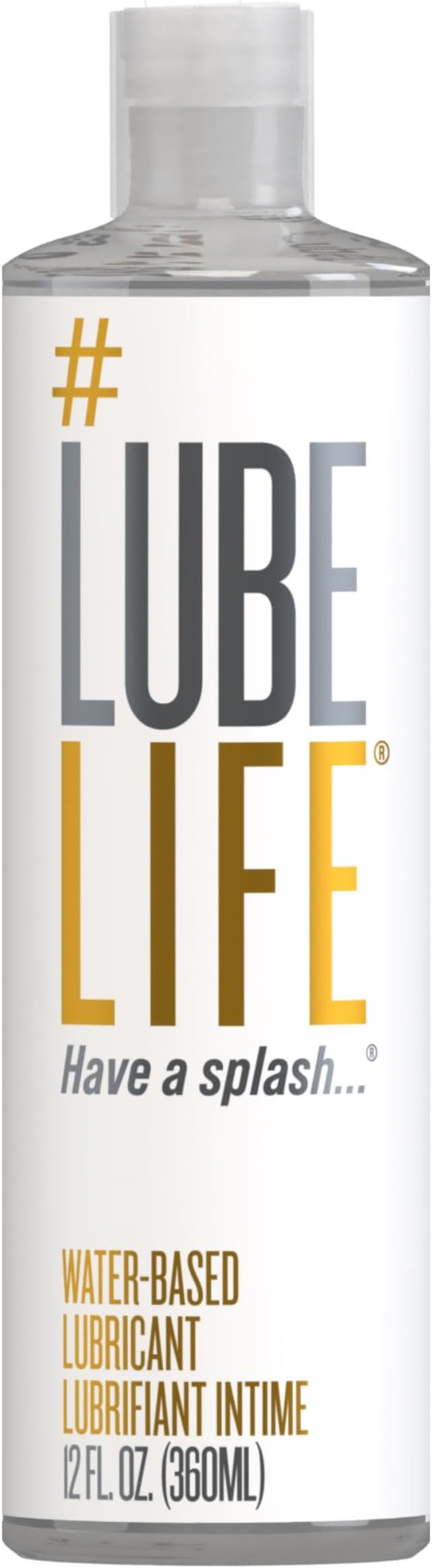
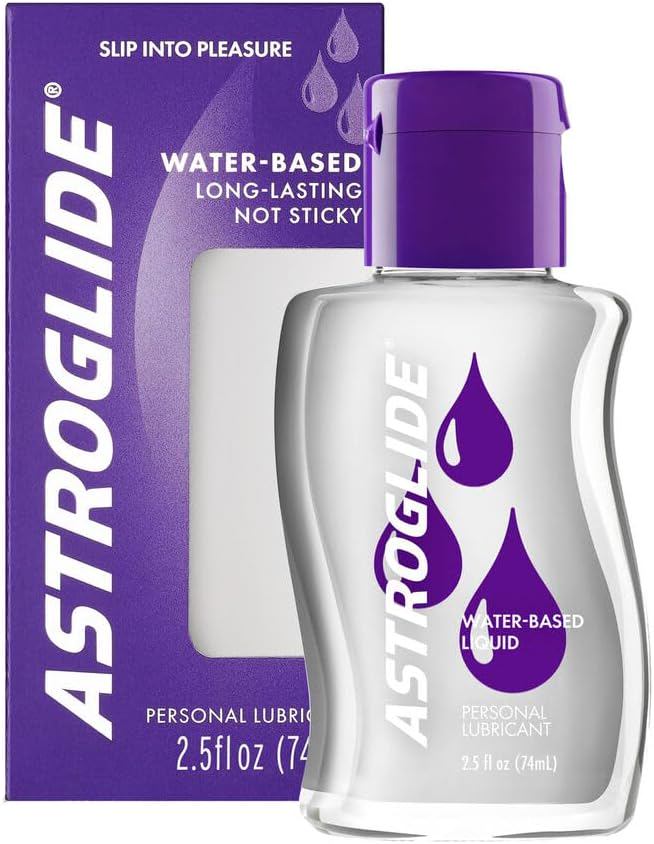
- Water-based lubricants: The most common type. They're safe to use with condoms and sex toys, easy to clean up, and typically feel most like natural lubrication. They may need reapplication during longer sessions.
- Silicone-based lubricants: Longer-lasting and silkier than water-based options. A little goes a long way, and they are excellent for shower or bath intimacy. They are safe with latex condoms but can degrade silicone sex toys.
- Oil-based lubricants (coconut oil, mineral oil): Very long-lasting and can be soothing. Important note: Oil-based lubricants will degrade latex condoms and diaphragms, making them less effective for pregnancy prevention and STI protection. They are best reserved for monogamous relationships where barrier protection isn't needed.
When choosing a lubricant, look for products that are free of parabens, glycerin (which can feed yeast infections in some people), and strong fragrances or flavors, which can be irritating.
3. Consider vaginal moisturizers
Different from lubricants used during sex, vaginal moisturizers (like Replens or Hyalo Gyn) are designed for regular use—every few days—to help rehydrate vaginal tissues and maintain a healthier pH balance over time. Think of them like a moisturizer for your skin, but for internal vaginal walls.
4. Explore topical estrogen treatments
For dryness linked to significant estrogen loss (like during menopause), low-dose topical estrogen can be remarkably effective. It comes in very small, localized doses as a cream, tablet, or flexible ring inserted into the vagina. Because the dose is minimal and mostly stays local, it's considered safe for most women, even many with a history of breast cancer (though a discussion with an oncologist is essential). It works by directly restoring thickness and moisture to the vaginal lining.
Always discuss persistent dryness with a healthcare provider. They can rule out other causes and help you explore options like moisturizers or topical estrogen that require a prescription.
Supporting vaginal health through daily habits
While not direct fixes for acute dryness, these lifestyle supports can create a better foundation for vaginal health.
- Stay hydrated: Drinking plenty of water supports all your body's mucous membranes, including vaginal tissues.
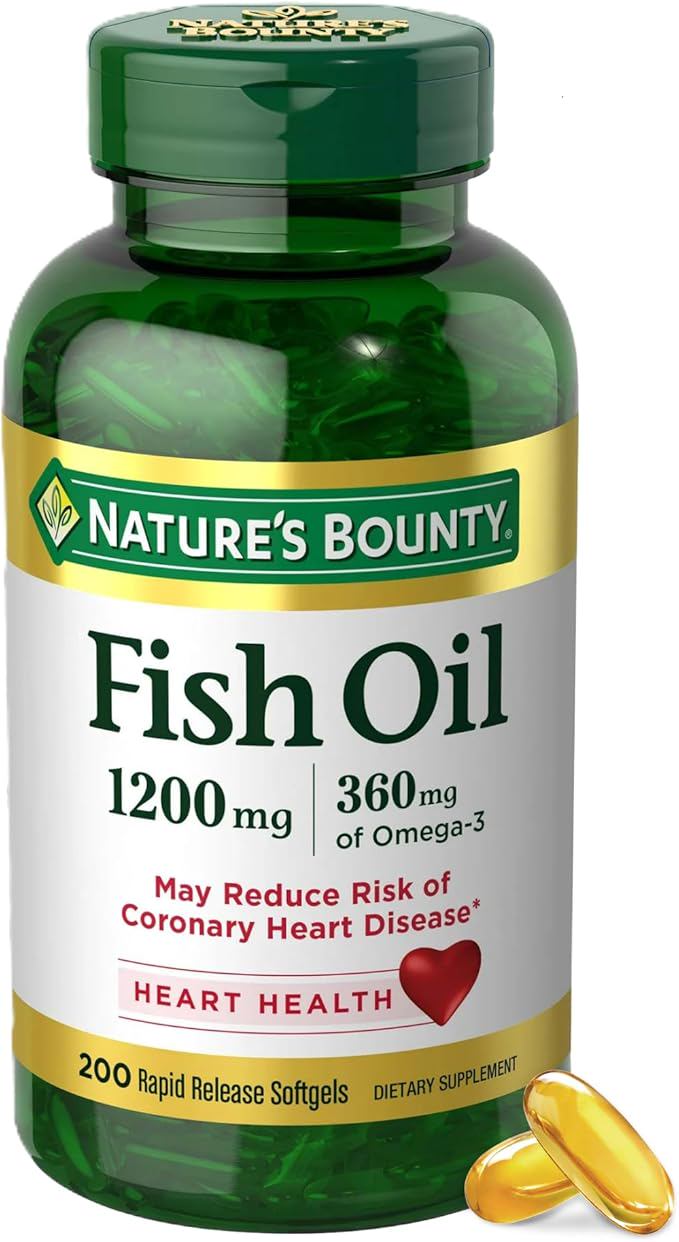
- Nourish with healthy fats: Omega-3 fatty acids (found in fish, flaxseeds, walnuts) support hormone production and cellular health.
- Be mindful of irritants: Avoid douching, scented sprays, powders, and harsh soaps in the genital area. Warm water and a gentle, fragrance-free cleanser are sufficient.
- Stay sexually active (if desired): Regular sexual activity, with or without a partner, can promote blood flow to pelvic tissues, helping maintain elasticity and health.
Vaginal dryness is a common, treatable condition. It doesn't have to mean the end of a fulfilling sex life. By understanding the causes, communicating openly with your partner, and exploring the range of available solutions—from over-the-counter lubricants to conversations with your doctor—you can navigate this change and rediscover comfortable, pleasurable intimacy.