
We all have that go-to comfort drink after a brutal day. Maybe it’s a glass of wine to take the edge off a tense meeting, or a second cocktail after a disappointing date. In that moment, it feels like relief. But what if that familiar ritual is actually making you feel worse about yourself the next day—not just hungover, but genuinely down on your own worth?
The science is increasingly clear: alcohol is a depressant that directly interferes with the neurochemistry of self-esteem. While it may temporarily numb the sting of rejection or failure, it ultimately amplifies the very feelings of inadequacy you were trying to escape. For anyone who has ever reached for a drink to soothe a bruised ego, understanding this cycle is the first step toward breaking it.
How alcohol hijacks the brain's confidence circuit
When you experience rejection or a tough setback, your brain produces cortisol and other stress hormones. A drink might quiet that alarm system for an hour or two by boosting GABA—a neurotransmitter that promotes calm. But as the alcohol metabolizes, the brain rebounds with a surge of excitatory chemicals. This is the classic anxiety rebound effect, and it lands hardest on the regions that govern self-perception.
The prefrontal cortex—the part of your brain responsible for rational self-talk and perspective—takes a hit. Meanwhile, the amygdala goes into overdrive. The result? Small disappointments start feeling like personal failures. A curt email feels like a character indictment. You replay your mistakes with a harsh inner critic that would never show up on a sober morning.
“That post-drink spiral is not a character flaw. It’s a predictable neurological response to alcohol’s impact on your brain’s emotional regulation centers.”
The self-esteem feedback loop you didn’t see coming
Here is where it gets insidious. After a tough day, you might feel unworthy or rejected. You drink to feel better—and indeed, you get a brief mood lift. But the next morning, the neurochemical rebound makes you feel even more insecure and self-critical. Now you have a new problem: you feel ashamed or guilty about how much you drank, or you feel physically awful, which your brain interprets as further evidence that you are not handling your life well.
If you repeat this pattern, your brain starts to associate the act of coping with the feeling of being out of control. Over time, your baseline self-esteem takes a real hit—not because you are actually failing, but because the alcohol is artificially creating the emotional conditions for self-doubt to thrive.
Why comfort drinking after rejection is especially risky
Rejection is a particularly dangerous trigger for drinking because it activates the same brain regions involved in physical pain. When you are already in emotional pain, alcohol’s numbing effect feels like a lifesaver. But the crash that follows is equally intense. Studies show that people who drink to cope with social rejection or professional failure report higher levels of shame and lower self-esteem the next day compared to those who use other coping strategies.
The pattern is especially common after:
- A job rejection or being ghosted after an interview
- The end of a relationship or romantic disappointment
- Conflict with a friend or family member
- Public embarrassment or criticism at work
In each case, alcohol temporarily masks the pain but prevents you from processing the experience in a healthy way. Instead of learning from what happened, you just postpone the emotional work—and often wake up feeling worse about yourself for having relied on the drink in the first place.
Three ways to break the cycle without willpower alone
1. Recognise the rebound for what it is
When you wake up feeling worthless after an evening of drinking, remind yourself: this is not the truth. It is neurochemistry. The shame and self-doubt you are feeling are amplified by how your brain is recovering from alcohol. This simple reframe can prevent you from acting on those feelings—like sending a regretful text or believing you are actually a failure. Just knowing the science can give you enough distance to let the feeling pass.
2. Build a replacement ritual for the golden hour
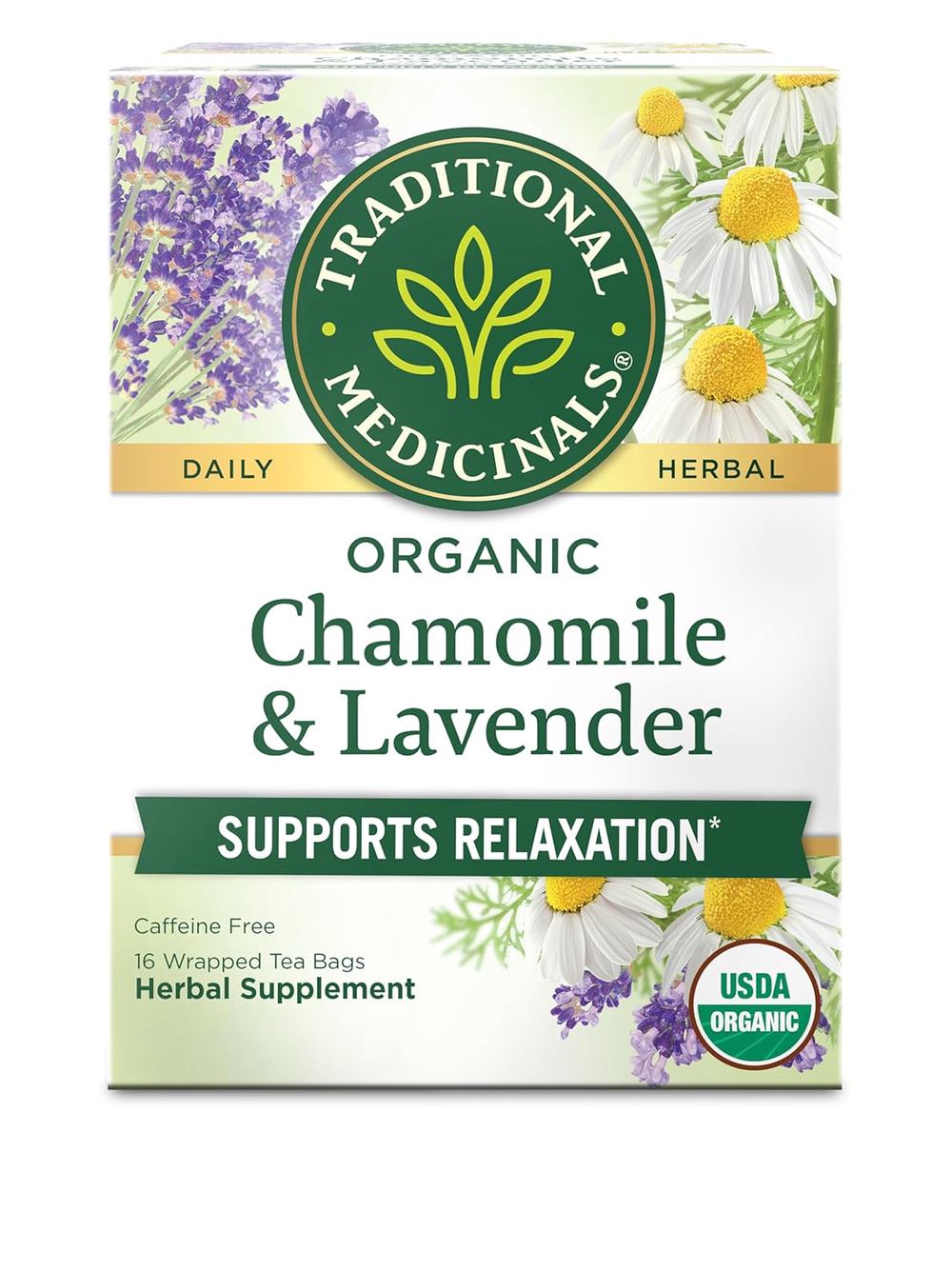
The moment after a rejection or a hard day is critical. You need something that provides genuine comfort and a sense of control—not just a chemical escape. Try a tart cherry juice spritzer with sparkling water and lime (it even has natural melatonin precursors), a cup of chamomile or passionflower tea, or a five-minute breathing exercise. The key is to have this replacement ready before you need it. If you wait until you are already reaching for the bottle, the habit will win.
3. Let the feeling surface without numbing it
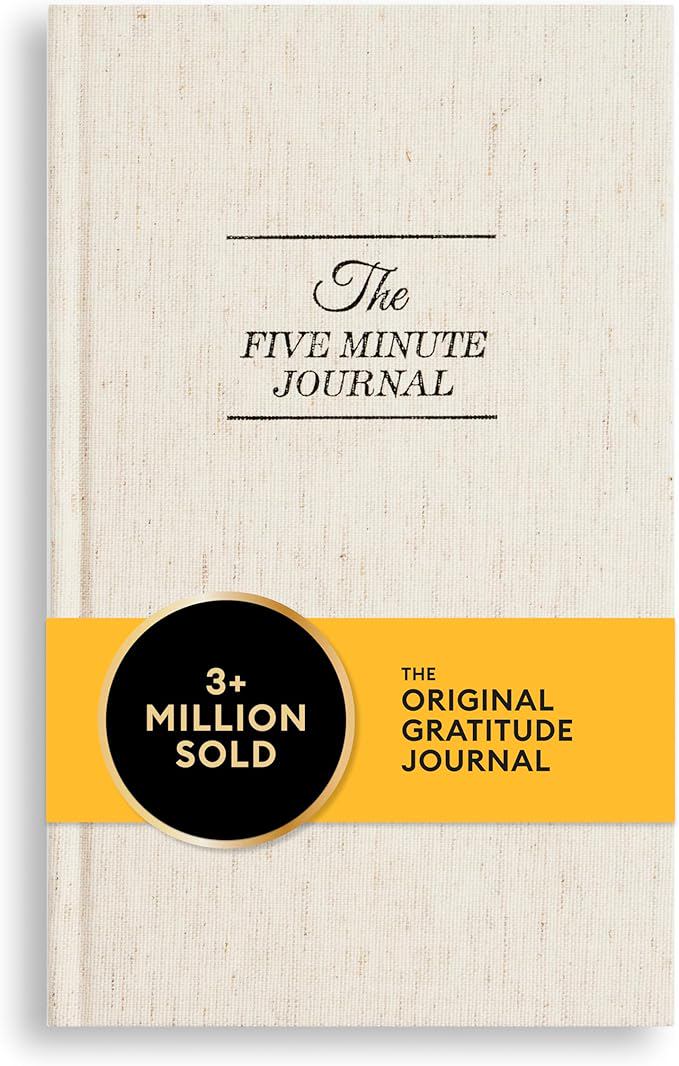
This is the hardest but most healing step. Rejection hurts for a reason: it is a signal that something meaningful was at stake. If you drink it away, you never actually metabolize the loss. Instead, set a timer for ten minutes and just sit with the feeling. Notice where it lives in your body. Write down one honest sentence about how you feel. This practice builds emotional resilience directly—the exact opposite of what alcohol does. Over time, you will trust yourself more because you will know you can handle hard feelings without needing a crutch.
Healing from rejection is rarely about the other person or the missed opportunity. It is about reclaiming your own sense of worth from the habits that quietly erode it. That single drink might feel like a friend at the end of a bad day, but your self-esteem deserves a better ally.