We’ve all been there: after a tense exchange or a full-blown argument, the urge to reach for something crunchy, salty, or sweet is almost automatic. It feels like a small reward for getting through a hard moment, or maybe a way to soothe frayed nerves. But according to dietitians, one common post-argument snack could actually be making your emotional state worse, not better.
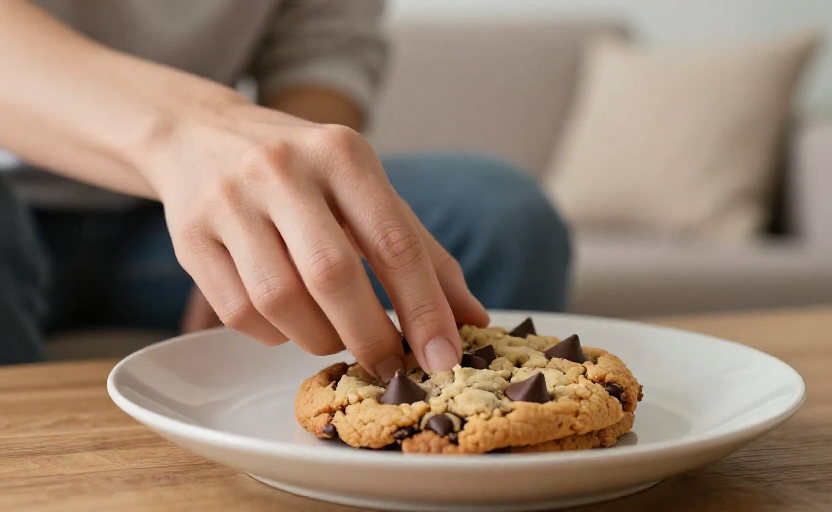
The snack in question? Ultra-processed, high-sugar foods—think cookies, candy bars, sugary granola bars, or even a bowl of sweetened cereal. While they offer a momentary spike in dopamine, the biochemical aftermath can amplify feelings of irritability, anxiety, and low mood, leaving you more emotionally vulnerable than before the argument began.
Why your brain reaches for sugar after conflict
When you argue, your body releases cortisol and adrenaline—the classic stress hormones. This triggers a fight-or-flight response that burns glucose. Your brain, sensing that energy has been used, sends out hunger signals. But it’s not just any fuel it wants; it craves quick energy in the form of sugar. This is why a bag of chips or a chocolate bar feels irresistible after a heated discussion.
“After a conflict, your blood sugar often dips because your body has been using glucose to fuel that stress response,” explains a registered dietitian. “Eating a high-sugar snack brings it back up fast, but what goes up usually comes crashing down.” That crash—called reactive hypoglycemia—can mimic or worsen emotional symptoms: fatigue, shakiness, brain fog, and irritability. In other words, the very snack you reach for to feel better can actually keep you stuck in a stressed state.
The stress-sugar cycle
The problem isn’t just the immediate energy roller coaster. When you eat a lot of added sugar, your body releases a surge of insulin to clear it from the bloodstream. This rapid drop in blood glucose can trigger another release of cortisol and adrenaline as the body tries to stabilize itself. You end up in a loop: argue, eat sugar, get a temporary lift, then crash—and the crash feels a lot like the emotional tension you were trying to escape.
“It’s a vicious cycle,” says a dietitian specializing in stress and nutrition. “The more you reach for sugar to cope with emotional stress, the more unstable your blood sugar becomes, and the harder it is for your body to regulate mood naturally.”
Over time, this pattern can also increase inflammation and disrupt sleep, both of which are linked to higher baseline anxiety and poorer emotional resilience. If you consistently soothe yourself with sugar after arguments, you may find that your ability to bounce back from conflict actually decreases.
What to eat instead after an argument
Replacing that sugary snack doesn’t mean you have to skip comfort altogether. Dietitians recommend a combination of protein, fiber, and healthy fat to stabilize blood sugar and support a calm, balanced mood. A few dietitian-approved options include:
- A handful of almonds and an apple — the fiber in the apple slows sugar absorption, and the protein and fat in almonds provide sustained energy.
- Greek yogurt with berries and a sprinkle of walnuts — protein-packed yogurt paired with antioxidant-rich fruit and omega-3s from walnuts supports brain health.
- Vegetable sticks with hummus — the fiber in vegetables and the protein in chickpeas help maintain steady glucose levels.
- A small piece of dark chocolate (70% cocoa or higher) with a few pistachios — if you really want something sweet, dark chocolate contains less sugar than milk chocolate and offers magnesium, which may help with relaxation.
The goal is to give your brain and body real nutrients that support neurotransmitter production and stable energy—not a quick fix that leads to another low.
Practical tips for breaking the habit
Changing what you eat after an argument isn’t just about willpower. It’s about recognizing the emotional trigger and planning ahead. Here are a few strategies that dietitians suggest:
- Pause for 10 minutes before eating anything. During that time, take slow breaths, drink a glass of water, or step outside. The intense hunger after an argument often fades once your stress hormones start to decrease.
- Keep a “mood food” stash at your desk or in your bag that contains only snacks you’ve pre-approved. If the only option is almonds and an apple, you’re more likely to choose them over a vending-machine candy bar.
- Write down how you feel after eating the usual sugary snack. Notice the energy dip and irritability an hour later. This kind of feedback helps your brain form a new association.
- Address the argument itself once you’ve calmed down. Often, the craving for sugar is a way to avoid sitting with the discomfort of the conflict. Talking it through or journaling can reduce the urge to soothe with food.
Final thought from dietitians
No one expects you to navigate every argument perfectly. The occasional cookie after a tough conversation isn’t going to unravel your health. But if you notice a pattern—you argue, you eat sugar, and then you feel even more emotionally drained—it may be worth trying a different approach. A stable blood sugar level supports a stable mood, and that’s exactly what you need to resolve a conflict constructively, not prolong it.
This article is for general wellness education only and does not replace medical advice. Consult a registered dietitian or healthcare provider for personalized recommendations.