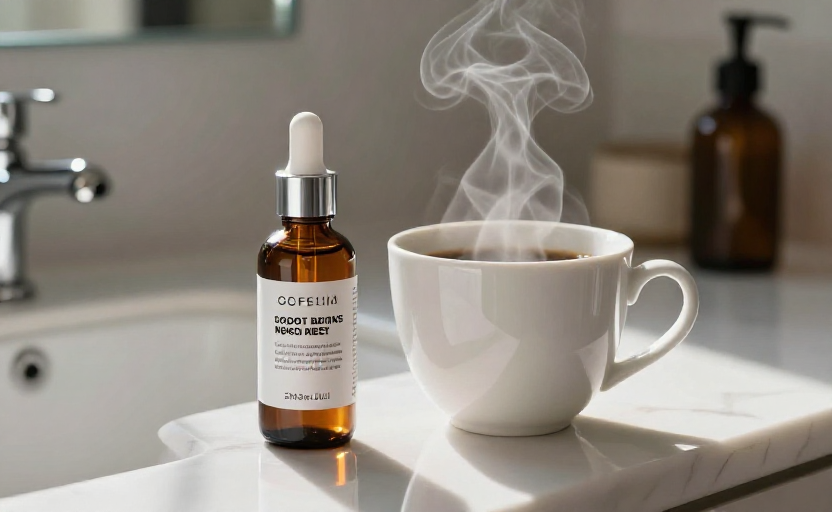
You've done the research. You've invested in a high-quality antioxidant serum—probably one with vitamin C, vitamin E, or ferulic acid. You apply it each morning with the hope of brighter skin, fewer fine lines, and protection against environmental damage. But what if the very drink you reach for alongside your morning routine is quietly undoing that effort?
There's one beverage that consistently interferes with the pH balance and absorption of topical antioxidants: coffee. While coffee has its own health benefits when consumed in moderation, its acidic and dehydrating properties can create a less-than-ideal environment for your serum to work effectively. The issue isn't just about drinking coffee—it's about when and how you consume it in relation to your skincare application.
How Coffee Interferes with Antioxidant Serums
Most antioxidant serums, particularly those containing L-ascorbic acid (the purest form of vitamin C), require a specific pH range—usually between 3.0 and 3.5—to remain stable and penetrate the skin barrier. Coffee is naturally acidic, with a pH around 4.5 to 5.0. While that might not seem dramatically different, drinking coffee before your serum has fully absorbed can create a transient shift in your skin's surface pH, making it harder for the active ingredients to penetrate.
More importantly, coffee is a diuretic. It encourages fluid loss, which can lead to mild dehydration of the skin over time. Dehydrated skin has a compromised barrier function. When the stratum corneum lacks adequate moisture, it becomes less permeable to active ingredients. In short: your expensive serum sits on the surface instead of getting to work.
Timing tip: Wait at least 20 to 30 minutes after drinking coffee before applying your serum. This allows your skin's pH to rebalance and reduces the chance of interference.
The Caffeine-Serum Interaction You Need to Know
Caffeine itself constricts blood vessels (vasoconstriction). For most people this is harmless, but if you apply a potent antioxidant serum right after drinking coffee, the reduced blood flow to the skin can slow down the delivery of nutrients to your skin cells. The serum might still sit on top of the skin, but the cellular uptake can be diminished.
There's also a timing mismatch. Antioxidant serums, especially vitamin C, are most effective when applied to clean, slightly damp skin in the morning. Coffee, on the other hand, is often the first thing people consume upon waking—before they've even washed their face. If you're in the habit of sipping coffee while doing your skincare routine, you may be layering products over skin that hasn't fully stabilized from the internal effects of caffeine.
What About Other Caffeinated Drinks?
Black tea, green tea, and matcha also contain caffeine, though usually in smaller amounts per cup than coffee. Green tea actually contains its own antioxidants (catechins) that are beneficial for skin when consumed. But the same rule applies: any hot caffeinated beverage can temporarily affect skin hydration and pH if consumed too close to serum application.
Energy drinks are a different story—they combine high caffeine levels with sugar and artificial acids, making them more disruptive to both internal hydration and skin surface balance.
The Role of Temperature and Hydration
Hot beverages, regardless of their caffeine content, can cause a temporary flush or redness in some people. This is due to vasodilation in response to heat. While this isn't necessarily harmful, it can increase skin sensitivity during the window when you're about to apply active ingredients. A warm, flushed face may absorb products differently—and sometimes more irritably—than a calm, cool one.
Dehydration is the quieter culprit. Diuretic drinks reduce the water content available to your skin cells, and hydrated skin is essential for optimal penetration of topical antioxidants. When your skin is dehydrated, the intercellular lipids that help ingredients move through the stratum corneum become less fluid. Think of it like trying to walk through dry sand versus damp sand—the resistance is higher when moisture is low.
Practical Ways to Protect Your Serum Investment
You don't have to give up coffee to keep your antioxidant serum effective. Small adjustments to your routine can make a significant difference:
- Drink water first. Have a full glass of water before your coffee. This counteracts the diuretic effect and hydrates your skin from the inside out before any caffeine hits your system.
- Apply serum before coffee, not after. Wash your face, apply your serum, and allow it to absorb for at least five minutes before drinking anything caffeinated. Better yet, finish your full morning skincare routine first.
- Wait after finishing. If you absolutely must have coffee first, wait 30 minutes after your last sip before applying serum. This gives your skin time to normalize.
- Mind your coffee additives. Sugar and dairy can cause inflammation in some people, which indirectly affects how well your skin responds to antioxidants. Consider black coffee or a splash of unsweetened plant milk.
- Stay hydrated throughout the day. For every cup of coffee, drink an additional cup of water. Your skin's barrier function depends on consistent hydration.
Is There Any Beverage That Helps?
While coffee may reduce the effectiveness of your serum, green tea can actually complement it. The catechins in green tea are antioxidants that work synergistically with topical vitamin C and E. Drinking unsweetened green tea throughout the day supports your skin's internal antioxidant network without the same dehydrating effect. Water, obviously, is the ideal companion to any skincare routine—it keeps your barrier healthy and your cells plump, allowing serums to penetrate more effectively.
The bottom line: your antioxidant serum is only as good as the environment you give it to work in. Coffee doesn't destroy your serum, but it can significantly diminish its absorption and efficacy if consumed at the wrong time. A simple shift in timing—serum first, coffee second—can help you get the full benefit of both your morning ritual and your skincare investment.